Anti-fouling application (i.e. propspeed) in Stuart, FL
Found 7 verified anti-fouling application (i.e. propspeed) professionals in Stuart
Top anti-fouling application (i.e. propspeed) pros in Stuart
Ordered by rating and review volume.
A&J Boatworks
Premier Yacht Management
Jolly Roger Marine Restoration
Scallywags Boatworks

Mack Yacht Services

Shearwater Marine & Industrial
Recent anti-fouling application (i.e. propspeed) work in Stuart
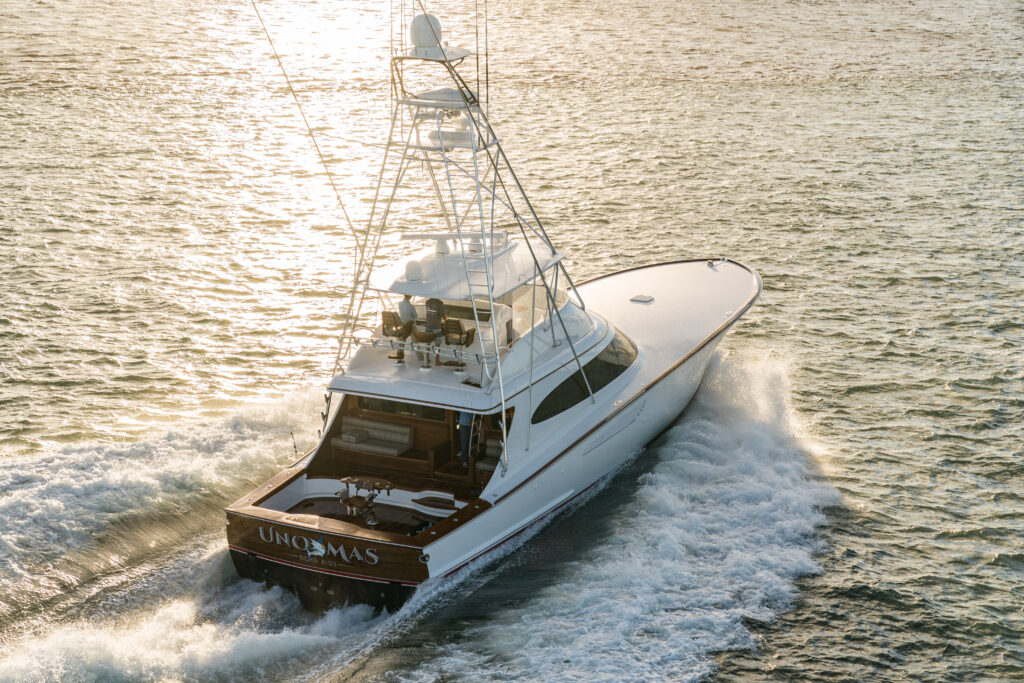
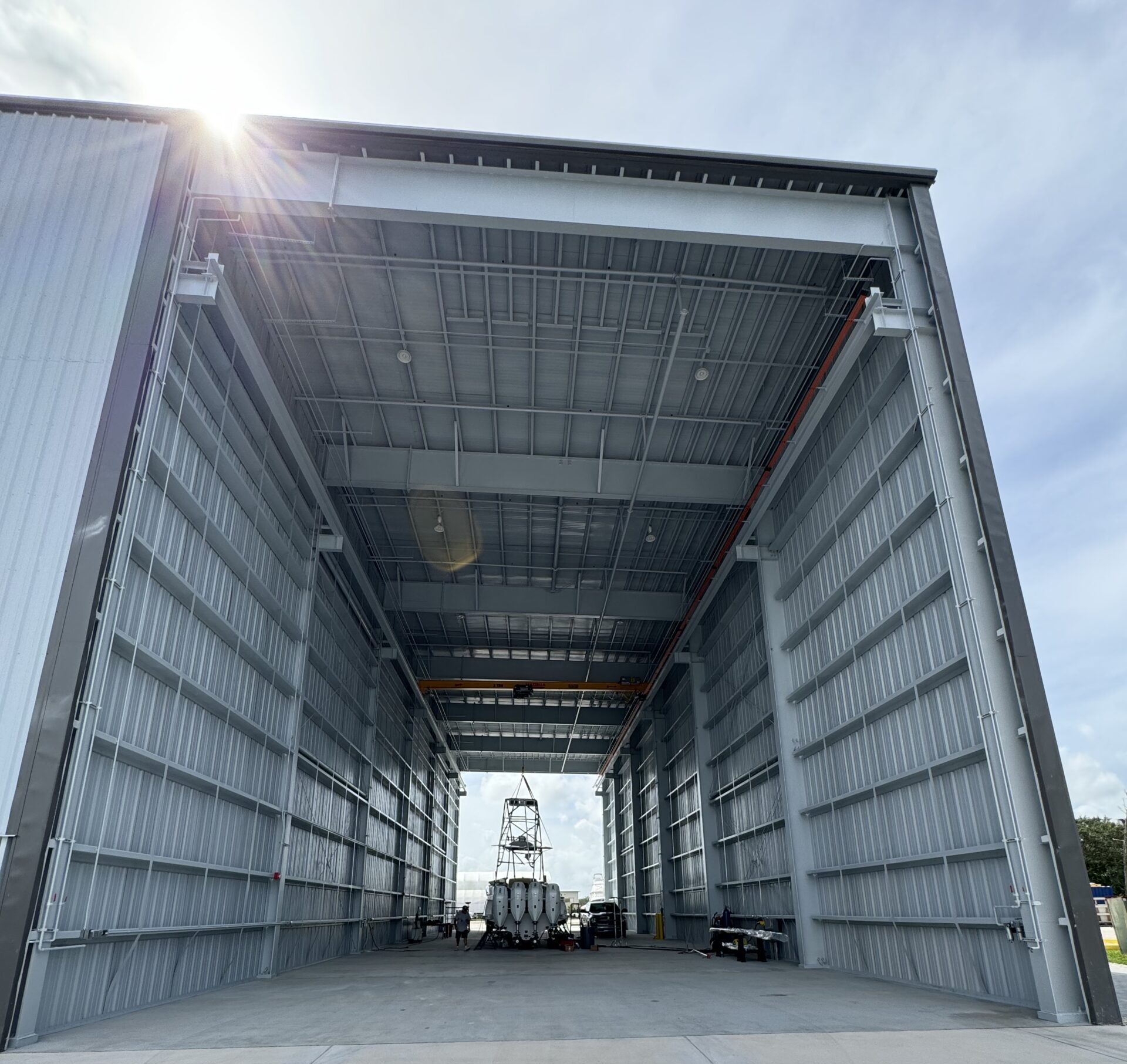
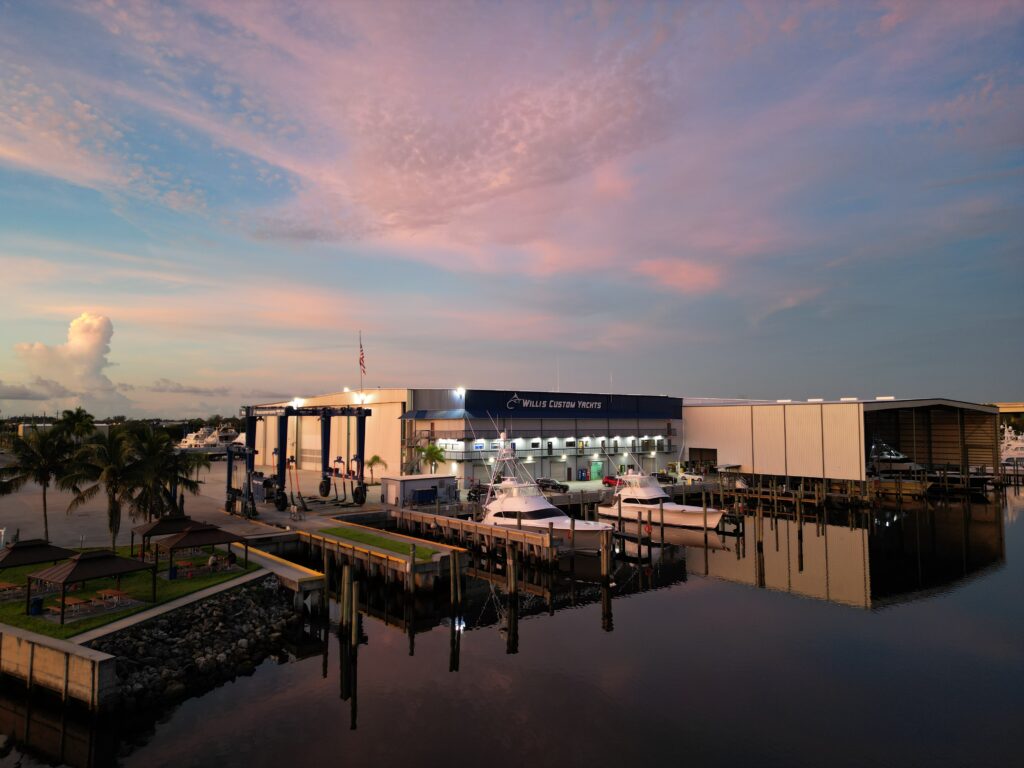
Real project photos from local pros — tap through to their profile.

What anti-fouling application (i.e. propspeed) costs in Stuart
Anti-fouling application (i.e. propspeed) in Stuart: what owners should know
Anti-fouling application for running gear — most commonly a product like Propspeed — is a specialized coating job that targets propellers, shafts, struts, and rudders rather than the hull bottom itself. In Stuart's warm, nutrient-rich waters fed by the St. Lucie River and the Indian River Lagoon, marine growth colonizes metal running gear fast, dragging down fuel efficiency and stressing drive systems year-round. Unlike ablative bottom paint, foul-release coatings like Propspeed work by creating a slick, low-friction surface that prevents barnacles and slime from bonding rather than poisoning them. The job requires meticulous surface prep — typically etching and priming bare metal — before a topcoat is applied and cured. Stuart-area pricing typically starts around $195, varying with the number of props, shaft length, and condition of existing coatings. Seven verified local pros on Boatwork handle this work. Request a free estimate to see what your running gear needs.
Why Anti-fouling application (i.e. Propspeed) differs from general bottom painting
Most boaters think of antifouling as a single category, but hull bottom paint and running-gear foul-release coating are genuinely different trades. Hull paint is typically brushed or rolled over large flat surfaces; a Propspeed-style application is detail work on complex, curved metal geometry where adhesion failures mean wasted product and a prop that still grows barnacles within weeks.
What the job actually involves in Stuart
Stuart sits at the confluence of the St. Lucie River and the Indian River Lagoon — two warm, brackish systems where biofouling pressure is heavy and year-round. That environment accelerates growth on bare bronze or stainless steel faster than in cooler northern waters, which is why running-gear foul-release coatings deliver more obvious ROI here than in many other regions. A proper application starts with hauling the vessel and cleaning all metal surfaces completely, often with acid etching to create a chemically receptive surface on bronze or stainless. A bonding primer follows, then the foul-release topcoat in one or two coats depending on the product spec. Cure time matters — rushing it compromises the bond, so budget a full haul day or an overnight stay in the yard.
What drives the price up or down
The $195 starting figure typically applies to a single prop on a smaller vessel with running gear in clean condition. Price climbs when: - Multiple running gear components are coated (twin props, two shafts, a large rudder, struts, trim tabs) - Existing coating needs removal — stripping old, failed Propspeed or barnacle-damaged surfaces adds prep labor - Prop size increases — a large sportfish or tournament boat running 17-inch four-blade props takes significantly more product and time than a 13-inch aluminum prop - Haul and block fees at a Stuart-area boatyard are separate from the coating labor itself and should be quoted together
How long it takes
Plan for a minimum of one full day out of the water for a straightforward single-drive application. Complex jobs — twin engines, damaged metal, full running-gear replacement of old coatings — can stretch to two days. Foul-release coatings need adequate cure time before launch, and most manufacturers specify a window during which the boat should be in motion shortly after splashing to activate the slick surface properly.
What to ask a Stuart pro before booking
- Do they apply the specific product you want (Propspeed, Bioclean, Glidecoat, etc.) or a generic equivalent? - Is surface prep — etching, priming — included in the quoted price or billed separately? - What is the manufacturer's recommended reapplication interval, and does the pro offer a touch-up service? - Does the quote include haul fees, or is that coordinated separately with the yard?
Getting answers to these questions upfront prevents surprise invoices and ensures the coating performs as expected through Stuart's demanding boating season.
Frequently asked questions
What does a Propspeed application typically cost in Stuart, FL?
Prices in Stuart start around $195, but the final cost depends on how many components are being coated, the size of the props and shafts, and how much prep work the metal surfaces require. A twin-engine boat with large props and corroded or previously coated running gear can run significantly higher than a single-drive vessel with clean metal. Requesting a free estimate through Boatwork gives you an itemized quote from a verified local pro rather than a rough guess.
How is a foul-release coating like Propspeed different from regular antifouling bottom paint?
Standard antifouling bottom paint works by releasing biocides that deter organisms from settling on the hull. Foul-release coatings like Propspeed use no biocides — instead, they create an ultra-slick surface that prevents marine growth from bonding, which is especially important on spinning metal surfaces where abrasive paint would wear off rapidly. The application process is also different, requiring metal-specific etching and priming steps that are not part of a standard hull paint job.
How long does a Propspeed application take, and when can the boat go back in the water?
A straightforward single-drive application typically takes one full day out of the water, including prep, priming, and topcoat. Most products require several hours of cure time before launch, and manufacturers often recommend putting the boat in motion soon after splashing to help activate the foul-release surface. In Stuart's year-round boating environment, scheduling the job during a planned maintenance haul rather than as a standalone visit usually saves on haul fees.
How often does running-gear foul-release coating need to be reapplied in Stuart's waters?
Most foul-release coatings on running gear last one to two seasons depending on use, water conditions, and whether the boat sits stationary for long periods — all factors that are particularly relevant in the warm, biologically active waters around Stuart and the Indian River Lagoon. Regular inspection at each haul can reveal whether the coating is still performing or starting to degrade. A Boatwork pro can assess the current condition of your running gear and let you know whether a full reapplication or a targeted touch-up is the right call.
Explore
Anti-fouling application (i.e. propspeed) in other cities
- Anti-fouling application (i.e. propspeed) in Fort Lauderdale, FL
- Anti-fouling application (i.e. propspeed) in Key Largo, FL
- Anti-fouling application (i.e. propspeed) in Pensacola, FL
- Anti-fouling application (i.e. propspeed) in Pompano Beach, FL
- Anti-fouling application (i.e. propspeed) in Jupiter, FL
- Anti-fouling application (i.e. propspeed) in Tarpon Springs, FL
Need anti-fouling application (i.e. propspeed) in Stuart?
Get matched with a vetted local pro — no cost to request.
Request an Estimate →

