Anti-fouling application (i.e. propspeed) in Fort Lauderdale, FL
Found 27 verified anti-fouling application (i.e. propspeed) professionals in Fort Lauderdale
Top anti-fouling application (i.e. propspeed) pros in Fort Lauderdale
Ordered by rating and review volume.



Recent anti-fouling application (i.e. propspeed) work in Fort Lauderdale
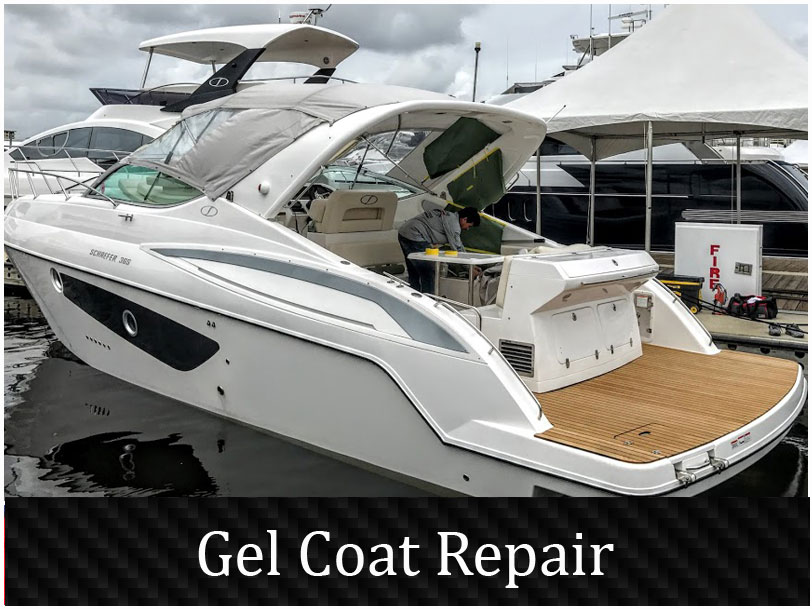
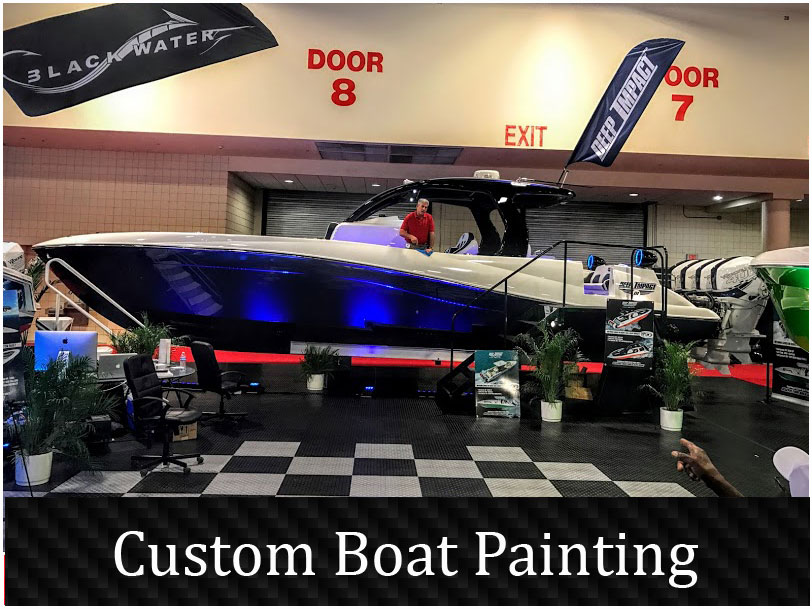
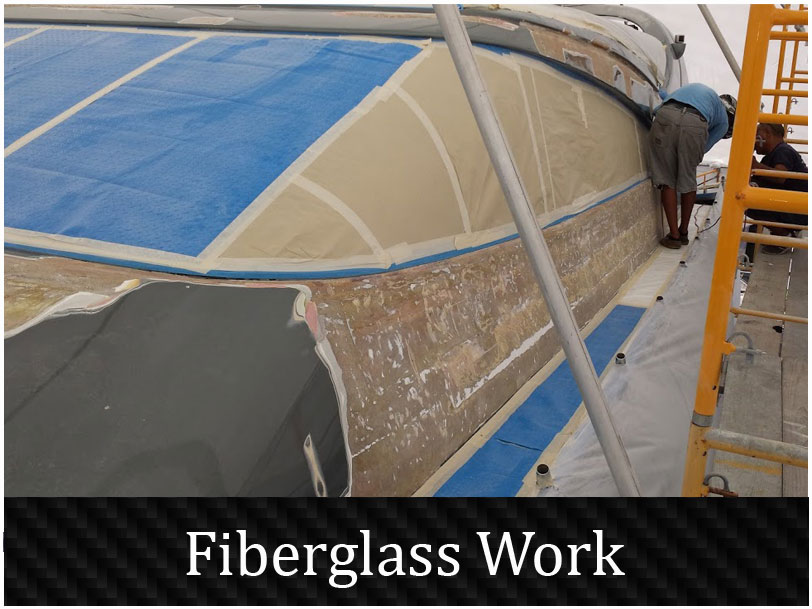
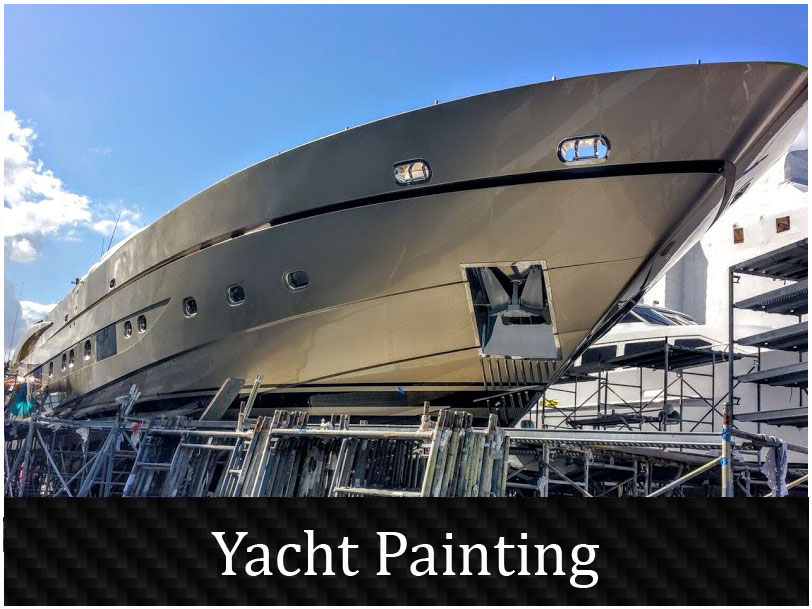
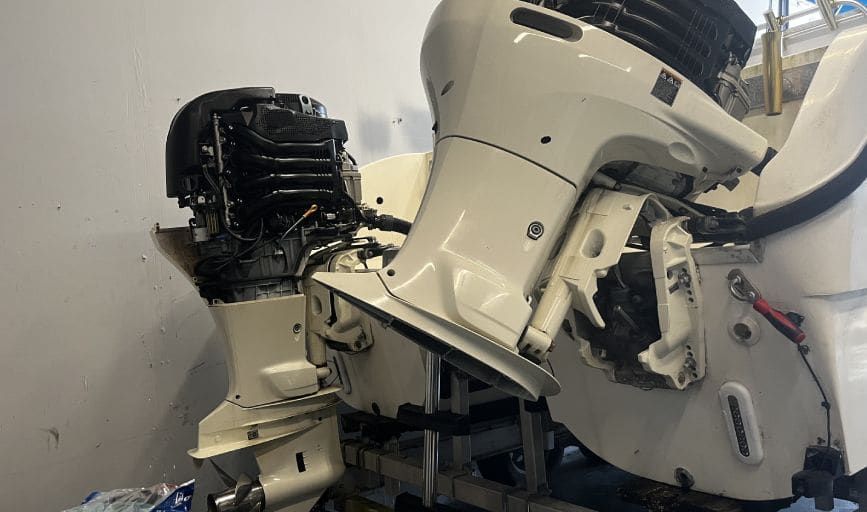
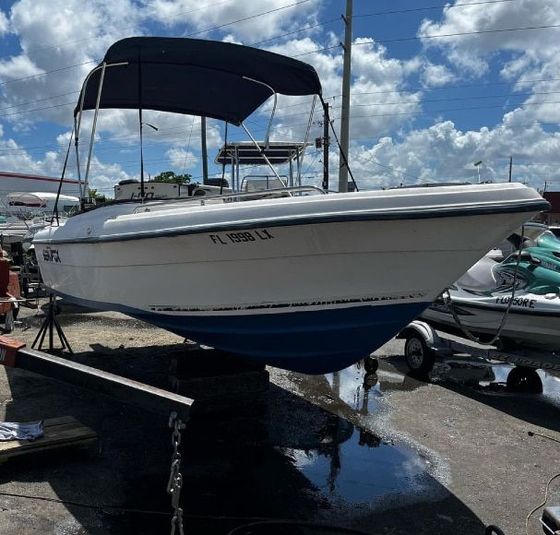
Real project photos from local pros — tap through to their profile.
What Fort Lauderdale owners say
From verified anti-fouling application (i.e. propspeed) jobs in the area.
“Their team handled every detail – from dockage to repairs- while we prepped for a long charter season.”
— Yacht Management Co. · Universal Marine Center
“The team at AWJ has bailed me out on more than one occasions. They are very easy to work with and always have the fastest turnaround times!”
— Pedro G. · Advanced Waterjet Solutions
“Great Detailing at very affordable rate. Had my Intrepid 300 all detailed, waxed, teak cleaning, hull cleaned. Smooth Sailing!”
— Christian · Fort Lauderdale Boat Cleaning
What anti-fouling application (i.e. propspeed) costs in Fort Lauderdale
Anti-fouling application (i.e. propspeed) in Fort Lauderdale: what owners should know
Anti-fouling application for running gear — including propeller coatings like Propspeed — is a specialized job distinct from painting a hull. It targets the metal surfaces that move fastest through the water: propellers, shafts, rudders, trim tabs, and struts. In Fort Lauderdale's warm, year-round boating climate, biofouling on running gear builds up aggressively, creating drag, reducing fuel efficiency, and accelerating corrosion on bronze and stainless steel. South Florida's waters make this maintenance cycle shorter than in cooler climates, meaning most local boat owners revisit the job annually or even more frequently. The process involves thorough degreasing, etching the metal surface, and applying a specialist foul-release coating — not antifouling paint — so growth simply cannot grip the surface. Pricing typically starts around $195, varying with the number of running-gear components and vessel size. Get a free estimate from one of Fort Lauderdale's verified pros to see exactly what your boat needs.
Why Anti-fouling Application (i.e., Propspeed) Differs from General Bottom Painting
Hull antifouling paint and running-gear foul-release coatings are fundamentally different products applied with entirely different techniques. Standard bottom paint is an ablative or hard-matrix biocide that works by slowly releasing copper or other toxicants. A product like Propspeed is a foul-release silicone-based coating with zero biocide — it works mechanically, creating a surface so slick that barnacles and slime cannot bond. Applying it incorrectly (skipping the etch primer, using the wrong surface prep, or painting over a contaminated prop) causes the coating to delaminate within weeks.
What Drives the Price Up or Down in Fort Lauderdale
The $195 starting price typically covers a single propeller on a smaller vessel with clean, accessible running gear. Several factors push the final number higher:
- Number of components: A twin-engine sportfish with two props, two shafts, two rudders, trim tabs, and a keel cooler will cost substantially more than a single-screw center console. - Condition of the metal: Props with heavy barnacle buildup, pitting, or existing paint overspray require mechanical cleaning, polishing, or even minor reconditioning before the etch primer can be applied. That prep work is billed separately or folded into a higher quote. - Haul-out vs. diver application: Some foul-release coatings can be applied in-water by a certified diver, but most manufacturers — including Propspeed — specify application out of the water for proper cure. If haul-out isn't already scheduled, that cost is additive. - Recoat vs. first application: Stripping an old, failed coating before reapplying adds time and labor.
How Long the Job Takes in Fort Lauderdale Conditions
Once the boat is hauled and the running gear is prepped, the coating itself applies in a few hours — but cure time matters. Fort Lauderdale's heat and humidity accelerate solvent flash-off, which can be an advantage, but high ambient moisture during the wrong part of the day can compromise adhesion. Experienced local pros schedule application in the morning before afternoon humidity peaks. Total yard time from haul to splash is typically one to two days.
What to Ask a Pro Before Booking
- Which specific foul-release product do they use, and is it manufacturer-certified for application? - Does the quote include the etch primer coat, or is that separate? - What prep method do they use if the prop has existing antifouling paint on it (antifouling paint and foul-release coatings are incompatible)? - How many seasons does their applied coat typically last in South Florida water conditions?
Fort Lauderdale's near-constant boating season means running gear rarely gets a biological rest period. Pros who work local boats year-round understand that the recoat interval here is often 10–14 months, not the 18–24 months sometimes quoted in northern markets.
Frequently asked questions
What does the ~$195 starting price for a Propspeed-type application in Fort Lauderdale actually include?
At that entry price, most pros include surface degreasing, an etch primer coat, and one full application of the foul-release coating on a single propeller. It generally does not cover haul-out fees, stripping a failed previous coating, or additional running-gear components like shafts and rudders, which are typically quoted as line items. Getting an itemized estimate upfront prevents surprises at invoice time.
How often will I need to reapply a foul-release coating on my boat in Fort Lauderdale?
Fort Lauderdale's warm, nutrient-rich water supports heavy biological growth year-round, so most local boat owners find a foul-release coating on running gear lasts roughly 10 to 14 months before performance noticeably degrades. Boats that stay in the water full-time and run infrequently tend to need recoating sooner than those used regularly, since vessel movement helps the slick surface shed growth. A local pro familiar with South Florida conditions can give you a realistic recoat schedule based on your slip location and usage pattern.
Can a Propspeed coating be applied over existing antifouling bottom paint on my propeller?
No — foul-release silicone coatings and copper-based antifouling paints are chemically incompatible, and applying one over the other causes rapid delamination. The existing antifouling paint must be fully stripped and the metal surface properly etched before a foul-release product can adhere correctly. If your prop has any paint history, make sure to disclose that when requesting an estimate so the pro can factor in the extra prep work.
How do I get an accurate quote for a Propspeed-type application on my Fort Lauderdale boat?
The most accurate quotes come when you provide the number of running-gear components (props, shafts, rudders, trim tabs), the metal type, and whether the boat needs to be hauled or is already out of the water. With 27 verified Bottom Painting and Antifouling pros active in Fort Lauderdale and an average rating of 4.6 out of 5, Boatwork makes it straightforward to request a free estimate and compare responses from local specialists.
Explore
Anti-fouling application (i.e. propspeed) in other cities
- Anti-fouling application (i.e. propspeed) in Key Largo, FL
- Anti-fouling application (i.e. propspeed) in Pensacola, FL
- Anti-fouling application (i.e. propspeed) in Pompano Beach, FL
- Anti-fouling application (i.e. propspeed) in Jupiter, FL
- Anti-fouling application (i.e. propspeed) in Tarpon Springs, FL
- Anti-fouling application (i.e. propspeed) in Stuart, FL
Need anti-fouling application (i.e. propspeed) in Fort Lauderdale?
Get matched with a vetted local pro — no cost to request.
Request an Estimate →

