Anti-fouling application (i.e. propspeed) in Jupiter, FL
Found 6 verified anti-fouling application (i.e. propspeed) professionals in Jupiter
Top anti-fouling application (i.e. propspeed) pros in Jupiter
Ordered by rating and review volume.



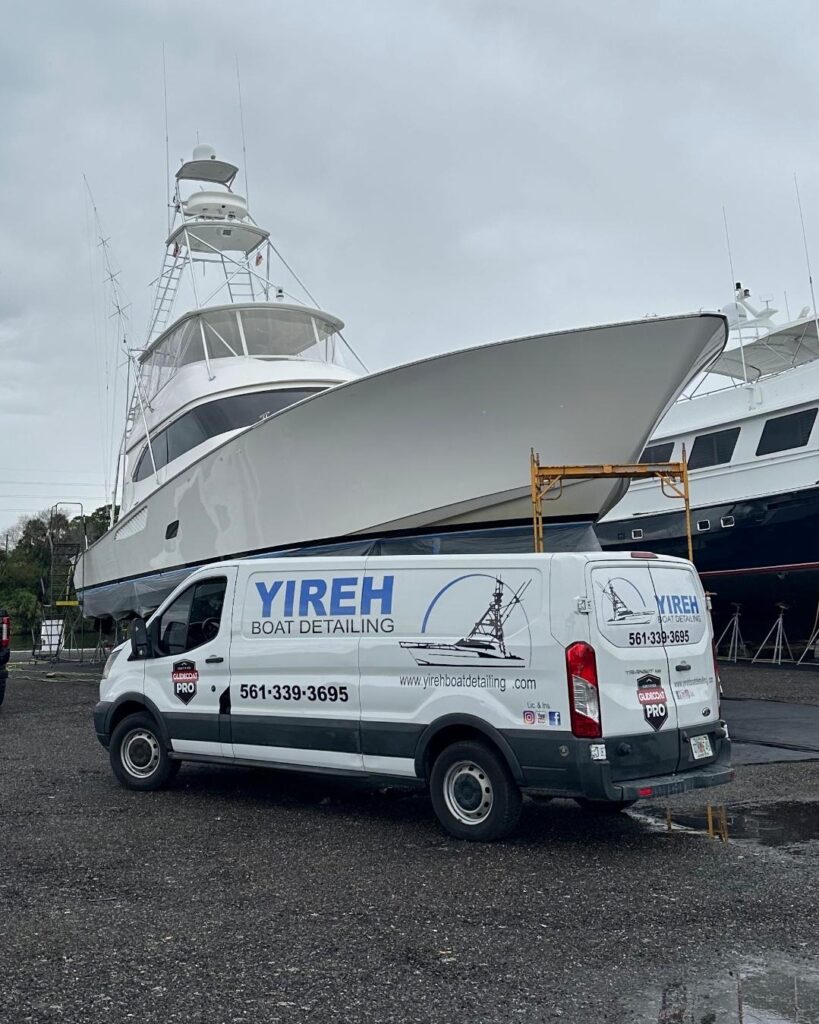
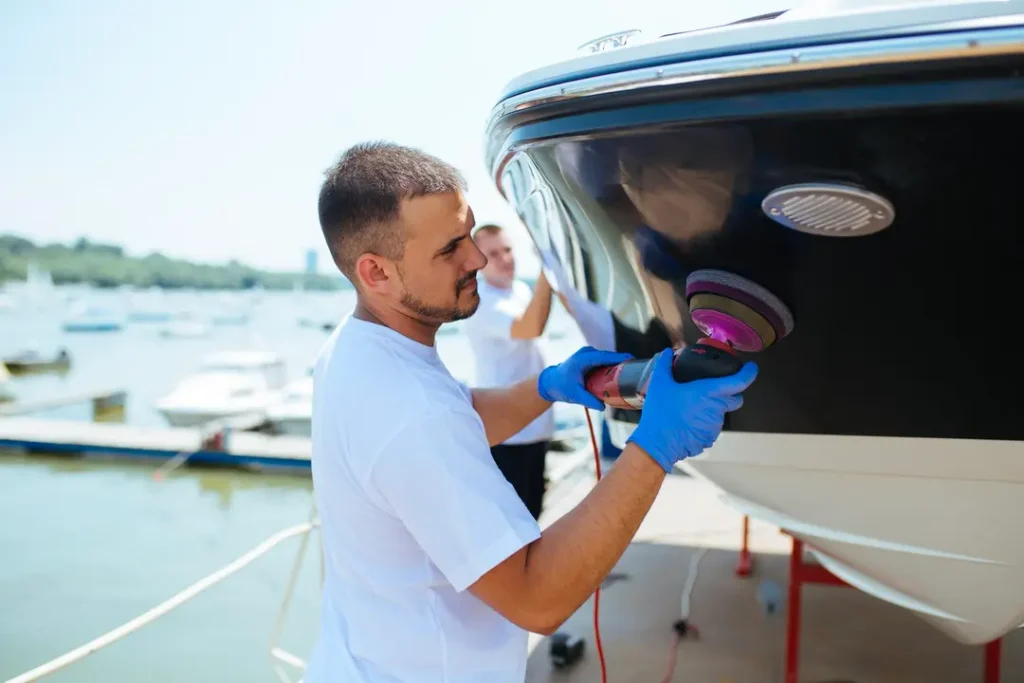
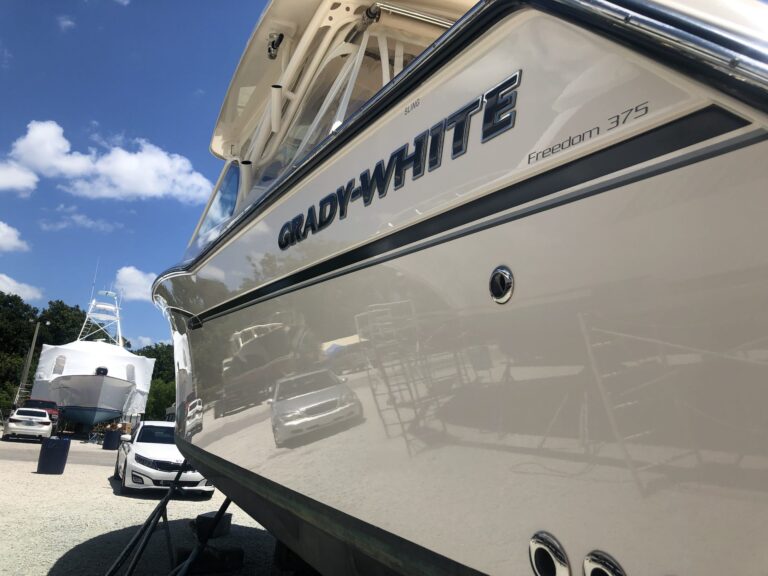
Recent anti-fouling application (i.e. propspeed) work in Jupiter
Real project photos from local pros — tap through to their profile.
What anti-fouling application (i.e. propspeed) costs in Jupiter
Anti-fouling application (i.e. propspeed) in Jupiter: what owners should know
Antifouling application for running gear — propellers, shafts, rudders, trim tabs, and drives — is a specialized service distinct from hull bottom painting. Products like Propspeed create a foul-release coating that prevents barnacles, tube worms, and algae from bonding to metal surfaces, reducing drag and protecting hardware. In Jupiter, where warm Gulf Stream waters and year-round boating create near-constant biofouling pressure, this coating is especially valuable for boats kept in slips or on moorings in the Intracoastal or the inlet. The process involves meticulous surface prep, etching primer, and careful topcoat application — skipping steps ruins adhesion. Pricing in Jupiter typically starts around $195, varying by the number of components treated and their condition. With 6 verified local pros averaging 4.8 out of 5 stars, skilled help is available. Request a free estimate today to protect your running gear before your next season on the water.
Why Antifouling Application (Propspeed-Type Coatings) Differs from General Bottom Painting
Hull antifouling paint and running-gear foul-release coatings are not the same job, and in Jupiter's warm, productive waters they serve very different purposes. Understanding the distinction helps you get an accurate quote and realistic expectations.
What This Job Actually Involves
Foul-release coatings like Propspeed are silicone-based systems applied to bare metal — propellers, shafts, struts, rudders, trim tabs, and outboard or sterndrive lower units. Unlike ablative bottom paint, these coatings don't biocide organisms; they create an ultra-smooth surface that marine growth can't grip. The application sequence matters enormously: the metal must be stripped to bare substrate, chemically etched, primed with a bonding layer, and then topcoated. Each layer has a strict recoat window. A rushed or incomplete prep is the single most common reason the coating peels within months rather than lasting one to two seasons.
What Drives the Price Up or Down in Jupiter
Starting around $195, the final cost in Jupiter shifts based on several concrete factors:
- Number of components: A single four-blade propeller is far less work than a twin-engine boat with two props, two shafts, two rudders, and trim tabs. - Current coating condition: Removing old, blistered, or heavily barnacled coatings from props that have sat through a Jupiter summer adds significant labor time before the new system can even begin. - Metal condition and pitting: Corroded or pitted props need grinding and smoothing — sometimes a separate visit to a prop shop — before any foul-release coating will adhere properly. - Access: Boats remaining in the water on a lift or in a slip cost more to work on than those hauled at a yard, because the applicator is working in a tighter, less controlled environment.
Jupiter-Specific Considerations
Jupiter's proximity to the Gulf Stream means water temperatures stay warm enough for aggressive biofouling nearly twelve months a year. Boats trailered to and from Dubois Park or run offshore regularly get some natural foul-release action through speed and friction. But vessels kept on lifts in canals off the Intracoastal — sitting still in nutrient-rich, brackish water — are the primary candidates who see the biggest return from a professionally applied foul-release system. Saltwater mixed with Intracoastal runoff is particularly favorable for hard growth, so skipping annual recoating usually means more aggressive stripping costs the following year.
What to Ask a Pro Before Booking
- Which specific products do they stock or recommend, and are those products compatible with your metal alloy (aluminum vs. bronze vs. stainless)? - Do they include prop removal and reinstallation in the quote, or is that billed separately? - What is their prep process, and how do they handle existing coatings that are partially adhered? - Will they note any blade damage, cupping wear, or corrosion they find during prep?
Getting at least one detailed written estimate ensures you're comparing the same scope of work across bids.
Frequently asked questions
What does a Propspeed-type antifouling application typically cost in Jupiter, FL?
Pricing in Jupiter generally starts around $195 for a single propeller on a smaller outboard boat. Costs increase based on the number of running-gear components treated — adding shafts, rudders, trim tabs, or a second drive can push the total significantly higher. Requesting a free estimate through Boatwork gives you an itemized quote based on your specific boat and its current hardware condition.
How long does the application process take, and when can I put the boat back in the water?
A typical single-drive application takes two to four hours for prep, priming, and topcoat — but cure time before water immersion is usually 24 hours minimum, sometimes longer depending on the product and ambient humidity. Jupiter's summer heat and humidity can affect cure windows, so a knowledgeable local pro will factor that into the schedule. Plan to keep the boat out of the water for at least a full day after the final coat is applied.
Does this service include removing and reinstalling the propeller?
Not automatically — some Jupiter contractors include prop pull and reinstall in their quote, while others price it separately or require you to have the prop off before they arrive. Always clarify this before booking, especially if you have a folding or feathering prop, which can add time and complexity. Getting a written scope of work prevents misunderstandings on the day of service.
How often should foul-release coatings be reapplied on boats kept in Jupiter's Intracoastal?
Most foul-release systems last one to two seasons under normal conditions, but Jupiter's warm, year-round water temperatures and nutrient-rich Intracoastal environment tend to push boats toward annual recoating — especially those sitting on lifts rather than running frequently. Inspecting the coating each haul-out for adhesion loss or mechanical damage to the surface is the best guide. If you're unsure of your coating's current condition, a verified local pro can assess it as part of a free estimate.
Explore
Anti-fouling application (i.e. propspeed) in other cities
- Anti-fouling application (i.e. propspeed) in Fort Lauderdale, FL
- Anti-fouling application (i.e. propspeed) in Key Largo, FL
- Anti-fouling application (i.e. propspeed) in Pensacola, FL
- Anti-fouling application (i.e. propspeed) in Pompano Beach, FL
- Anti-fouling application (i.e. propspeed) in Tarpon Springs, FL
- Anti-fouling application (i.e. propspeed) in Stuart, FL
Need anti-fouling application (i.e. propspeed) in Jupiter?
Get matched with a vetted local pro — no cost to request.
Request an Estimate →

