Anti-fouling application (i.e. propspeed) in Miami, FL
Found 21 verified anti-fouling application (i.e. propspeed) professionals in Miami
Top anti-fouling application (i.e. propspeed) pros in Miami
Ordered by rating and review volume.



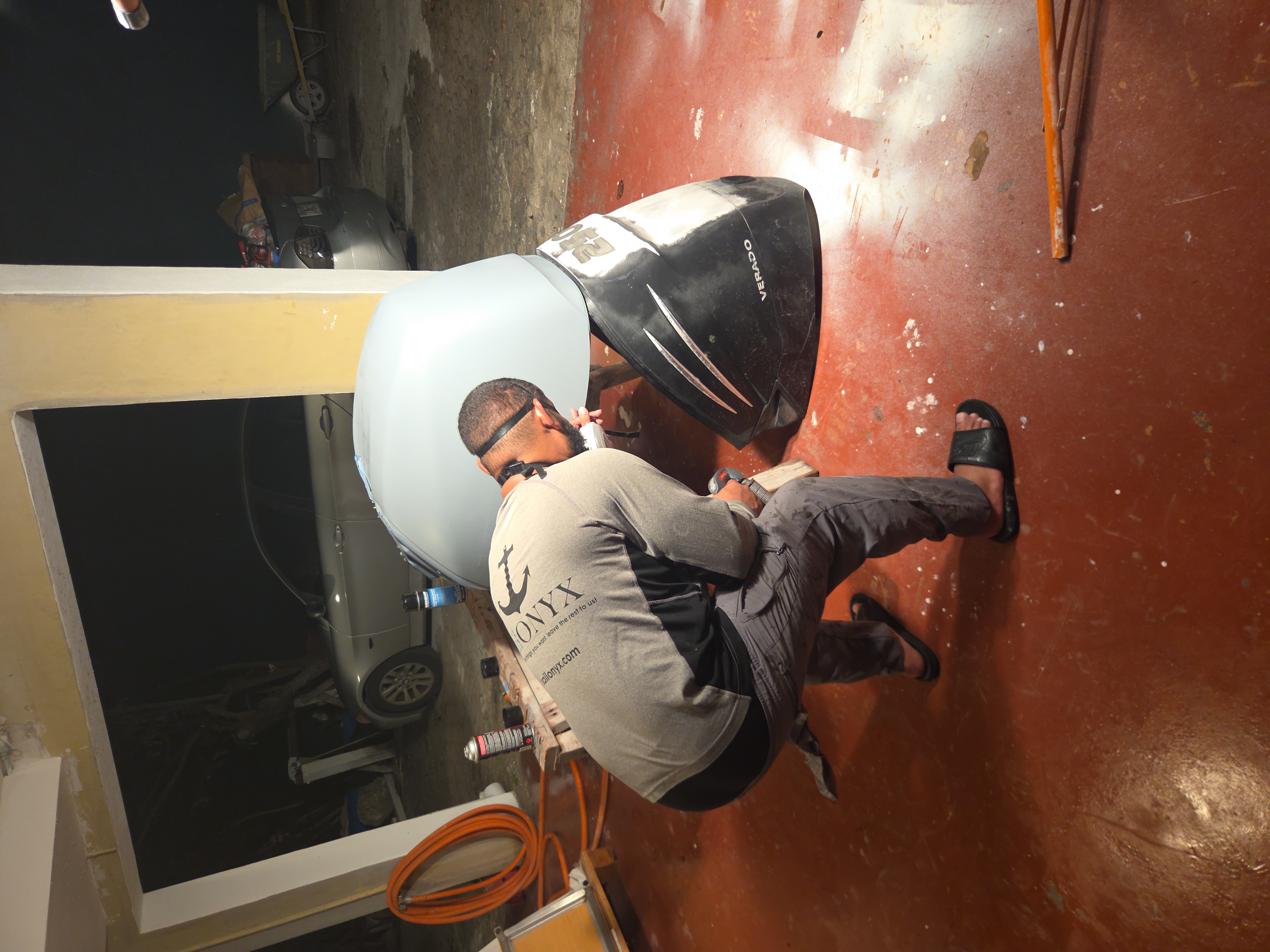
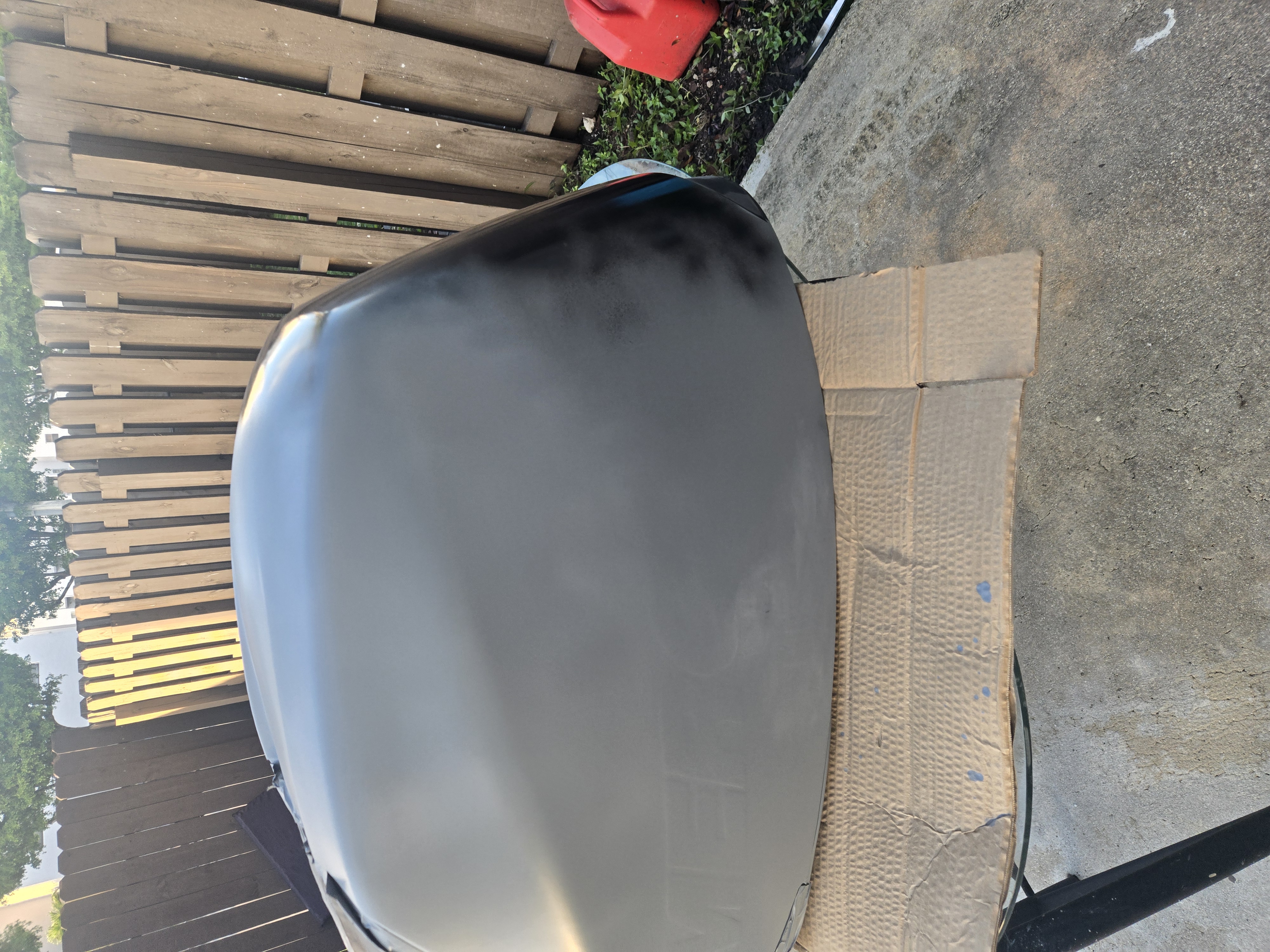
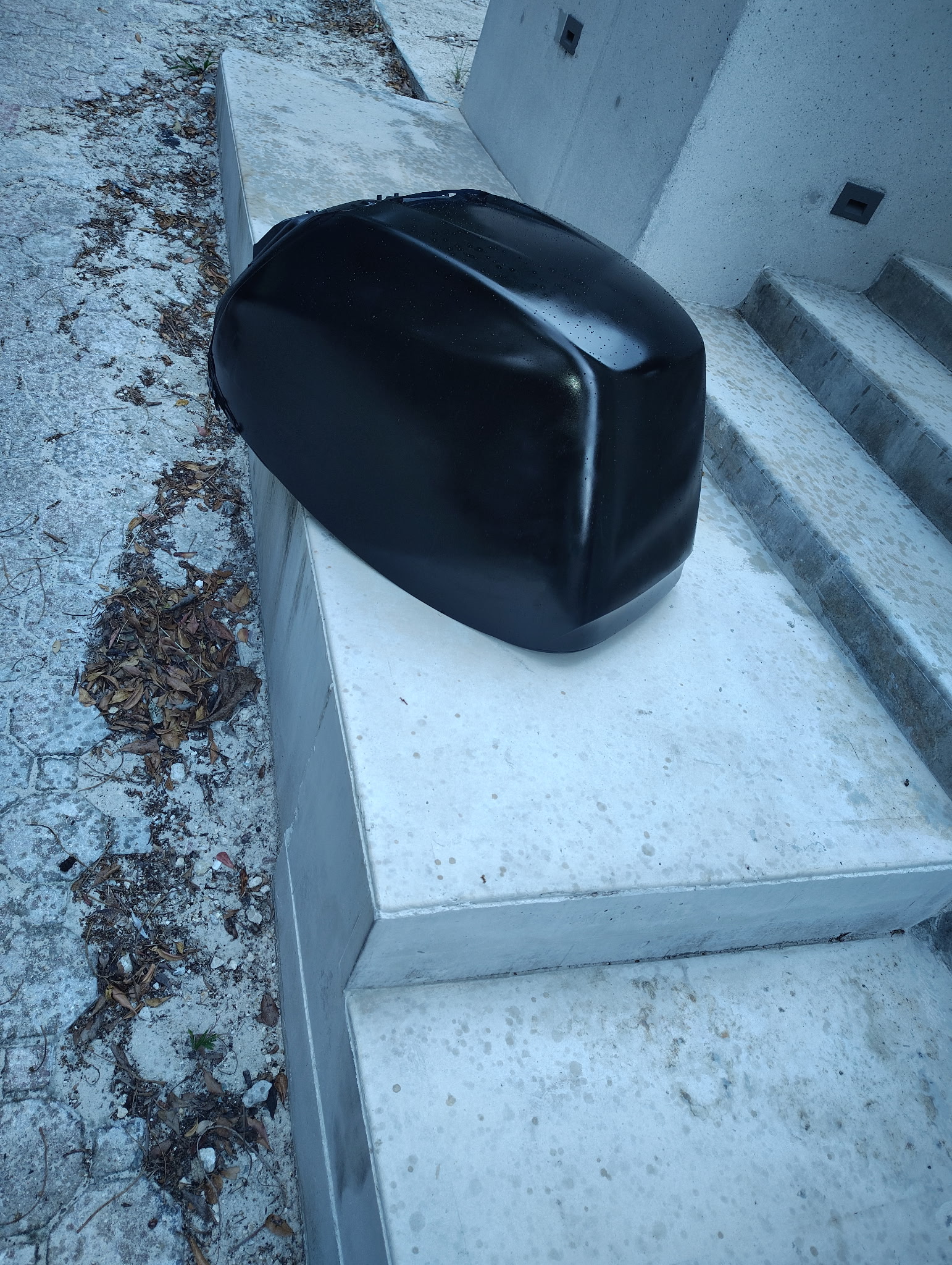
Recent anti-fouling application (i.e. propspeed) work in Miami
Real project photos from local pros — tap through to their profile.


What Miami owners say
From verified anti-fouling application (i.e. propspeed) jobs in the area.
“It took me a while to find a reliable company that actually answers the phone, but I'm so glad I found these guys! They gave us a quote of $5 per foot, and by the very next day, our boat's hull was completely clean. The convenience of payin”
— Richard S. · Miami Marine Hull Cleaning
What anti-fouling application (i.e. propspeed) costs in Miami
Anti-fouling application (i.e. propspeed) in Miami: what owners should know
Anti-fouling application for running gear — propellers, shafts, rudders, trim tabs, and drives — is a specialized coating service distinct from hull bottom paint. Products like Propspeed create a slick, foul-release barrier that prevents barnacles, zebra mussels, and algae from bonding to metal underwater surfaces, which is especially critical in Miami's warm, year-round boating season. Biscayne Bay and the surrounding intracoastal waters sit in a subtropical climate zone where biological fouling pressure never fully subsides, meaning untreated running gear loses efficiency fast and cavitation drag builds quickly. This job starts around $195 and scales with the number of components treated and surface prep required. Miami has 21 verified pros on Boatwork who handle this service, rated 4.6 out of 5 on average. If your prop is dragging or due for seasonal maintenance, request a free estimate today.
Why Anti-fouling Application (i.e., Propspeed) Differs from General Bottom Painting
Hull antifouling paint and foul-release coatings for running gear are not the same job, same product, or even the same surface preparation process. Understanding the distinction helps Miami boat owners get accurate quotes and realistic timelines.
What the Job Actually Involves
Propspeed and similar foul-release systems are applied to bare metal — propellers, shafts, rudders, struts, trim tabs, and outboard or sterndrive lower units. The process begins with thorough degreasing and sanding to a specific surface profile so the primer adheres properly. A tie-coat primer is applied first, followed by the foul-release topcoat. Each layer requires proper flash time. Unlike antifouling hull paint, these coatings work through low surface energy rather than biocides — organisms simply cannot grip the slick finish, so they wash off under motion. This also means the coating is not drag-tolerant; nicks from sand or dock lines can compromise performance and require spot repair or full recoating.
What Drives the Price Up or Down in Miami
The $195 starting price typically covers a single propeller on a smaller vessel. Price increases with:
- Number of components: Adding shafts, rudders, struts, or a full sterndrive can double or triple the scope. - Prop diameter and blade count: Large four- or five-blade props on center consoles or sportfish boats common in Miami require more material and prep time. - Surface condition: Heavy barnacle or corrosion damage means more prep labor before the first coat ever goes on. - Haul-out coordination: If the boat isn't already out of the water, factoring in yard fees at a local boatyard adds to the total project cost.
Miami-Specific Considerations
Miami's water temperature rarely dips below 70°F even in winter, which means fouling organisms are active essentially twelve months a year. Running gear that sits at a dock for even a few weeks can accumulate enough growth to measurably reduce fuel efficiency and top speed. Boaters running in the bay or offshore year-round often schedule Propspeed recoats every 12 to 18 months rather than the 24-month interval that might be reasonable in cooler northern climates. Salt concentration and the mix of tidal and marina environments also accelerate galvanic activity on bronze and stainless steel props, making surface prep before coating even more critical here than in freshwater markets.
What to Ask a Pro Before Booking
- Which specific foul-release system do they use, and is it compatible with your prop material (bronze, stainless, aluminum)? - Do they sand between the primer and topcoat, or roll it on in a single step? - What is included if a coat fails or peels within the first season? - Can they handle the haul-out coordination, or does the owner need to arrange yard time independently?
Getting clear answers to these questions upfront prevents surprises and ensures the coating is applied correctly the first time.
Frequently asked questions
How much does Propspeed application cost in Miami, and what affects the final price?
This service starts around $195 in Miami, but the total depends heavily on how many components are being coated — a single prop is very different from treating a full shaft, rudder, and sterndrive. Surface condition matters too: heavily fouled or corroded metal requires more prep time, which adds labor cost before the first coat is applied.
How long does the application process take, and when can the boat go back in the water?
A single-prop application typically takes a few hours including prep, primer, and topcoat, but full cure time before relaunch is usually 24 hours depending on the product and ambient temperature. In Miami's humidity, pros often factor in additional flash time between coats to ensure the tie-coat primer bonds properly to the metal surface.
How often does Propspeed need to be reapplied on a Miami boat?
Most Miami boaters find they need to recoat running gear every 12 to 18 months due to the region's year-round warm water and constant fouling pressure — shorter than the 24-month cycle sometimes advertised in cooler climates. The coating can also be damaged by hard bottom contact or aggressive cleaning, which may require earlier spot repairs or full recoats.
How do I know if a Boatwork pro in Miami is the right fit for this specific job?
When requesting an estimate through Boatwork, ask the pro which foul-release system they recommend for your prop material and how they prep the surface before priming — their answers reveal whether they treat this as a precision coating job or a basic paint application. Miami has 21 verified pros handling this service with an average rating of 4.6 out of 5, so getting a free estimate lets you compare approaches and pricing before committing.
Explore
Anti-fouling application (i.e. propspeed) in other cities
- Anti-fouling application (i.e. propspeed) in Fort Lauderdale, FL
- Anti-fouling application (i.e. propspeed) in Key Largo, FL
- Anti-fouling application (i.e. propspeed) in Pensacola, FL
- Anti-fouling application (i.e. propspeed) in Pompano Beach, FL
- Anti-fouling application (i.e. propspeed) in Jupiter, FL
- Anti-fouling application (i.e. propspeed) in Tarpon Springs, FL
Need anti-fouling application (i.e. propspeed) in Miami?
Get matched with a vetted local pro — no cost to request.
Request an Estimate →

