What It Really Costs to Own a Cruising Houseboat or Floating Home
By the Boatwork Editorial Team
Industry analysts covering boat ownership economics since 2019
This is a living document. Last verified: August 2026 | Updated quarterly with current market data
Reading Time: 55 minutes | Jump to Table of Contents
About This Guide
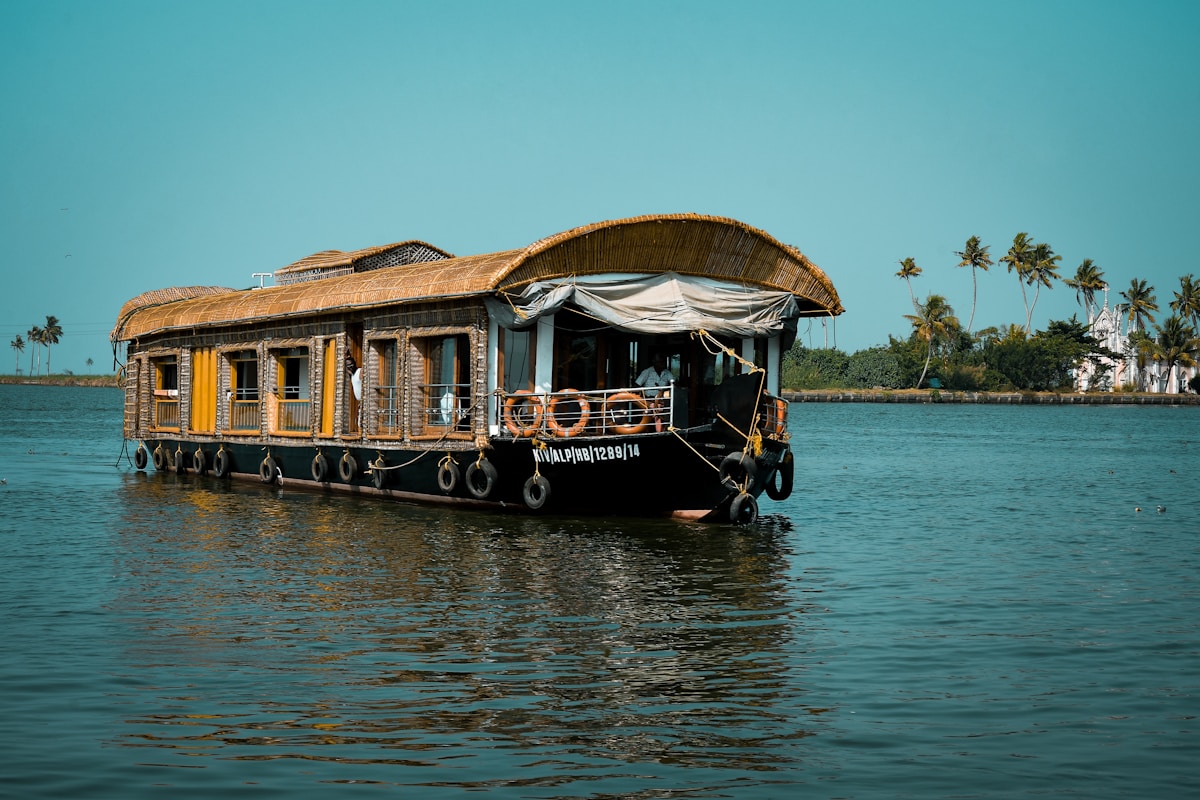
Scope: This guide covers houseboats in two distinct forms. The cruising houseboat (CH) is a self-propelled boat with an engine and a generator, and it costs like a large powerboat plus a home. The floating home (FH) is a permanently moored dwelling with no propulsion, taxed and financed more like real estate and concentrated in a handful of floating-home metros. Where the two diverge, and they diverge on almost every line, this guide shows both. Pricing and cost ranges assume recreational and liveaboard use in U.S. waters.
Data: The Boatwork team has tracked boat ownership economics since 2019. This guide synthesizes published market data from Boat Trader houseboat listings, Mangrove Marina, and Marina Seeker, hard marina rate sheets from Lake Powell (Wahweap), Waterside Marina on Norris Lake, and Jones Valley on Lake Shasta, floating-home market data from Rexmont (Seattle), Bay Area Modern (Sausalito), and Homes.com (Portland), U.S. Energy Information Administration fuel prices, houseboat insurance guidance from The Ephraim Group and Insuryon, and Boatwork marina-rate surveys where available. Owner-scenario totals are modeled from these cited component costs. We update this guide quarterly as market conditions change.
Methodology: Cost ranges synthesize published market data and Boatwork marina-rate surveys where available, and owner-scenario totals are modeled, not survey medians. This is a small, custom-heavy boat class, so where a proprietary owner-panel cut does not yet exist for houseboats, the table is marked as an editorial data placeholder rather than filled with invented figures. Regional breakdowns cover seven houseboat markets: Lake Powell; the Tennessee and Kentucky reservoirs (Norris, Cumberland, Dale Hollow); Lake of the Ozarks; Lake Shasta and the California Delta; Seattle and Lake Union; the Portland and Sausalito floating-home metros; and a South Florida liveaboard cut.
Table of Contents
- Quick Answer: How Much Does It Cost?
- Who Is This Guide For?
- Houseboat vs. Trawler
- How Costs Have Changed (2020–2026)
- Depreciation and Resale by Segment
- Financing: Marine Loan vs. Home Mortgage
- Purchase Prices by Size and Type
- Moorage Costs by Market and Type
- Insurance Cost by Type and Use
- Maintenance: House Systems and Marine Systems
- Regional Cost Breakdown by Houseboat Market
- Cost of Ownership by Builder and Segment
- Disadvantages of Ownership
- Owning vs. the Alternatives
- Frequently Asked Questions
- Glossary of Terms
- Cost Worksheet
- Conclusion
- Sources and References
1. Quick Answer: How Much Does It Cost?
A houseboat is the widest cost range in recreational boating, because the same word covers a $35,000 pontoon-hull cruiser on a Tennessee reservoir and a $1.3 million floating home on Lake Union. The table below models five realistic ownership scenarios from the component costs detailed later in this guide. All figures exclude the purchase price itself and, except where noted, exclude depreciation.
| Ownership Scenario | Typical Setup | Annual Cost | Per Day |
|---|---|---|---|
| Budget | Older cruising houseboat, inland-lake slip, DIY upkeep | $10,000 | $27 |
| Moderate | Mid-size cruising houseboat, regional marina with a liveaboard slip, mixed service | $18,000 | $49 |
| Premium | Large late-model cruiser or a metro floating home, full moorage and systems | $35,000 | $96 |
| Financed | Moderate cruising houseboat plus a marine loan | $25,000 | $68 |
| True Cost | Premium setup, financed, including depreciation | $45,000 | $123 |
Sources: Boatwork cost model built from the moorage, insurance, fuel, and maintenance ranges cited in the guide; modeled totals, not survey medians. Depreciation basis from Mangrove Marina and Yacht Trading; moorage basis from Marina Seeker and the market rates in Section 8.
The spread between the budget and true-cost cases is more than 4x, which is wider than nearly any other boat class. That gap is not really about the boat, it is about moorage, type, and financing, all of which you decide before you sign. The rest of this guide walks each line so you can build the number that matches your plan. If you are cross-shopping the closest cruising alternative, jump to our trawler ownership cost guide, and if you are weighing a simpler lake platform, the pontoon and tritoon guide.
2. Who Is This Guide For?
Houseboats draw a specific kind of buyer: someone who wants to live on the water, either at anchor for a season or permanently at a dock. If you see yourself in one of the profiles below, the numbers in this guide are built for you.
The full-time liveaboard
You want your home to float. Your budget is dominated by moorage, a liveaboard surcharge, and metered power, and your key decision is which market has slips available at all. Sections 8 and 14 are written for you, and the liveaboard-versus-apartment math is where you start.
The first cruising-houseboat buyer
You want a beam-heavy platform to weekend and vacation aboard on a lake or river. You are buying an engine and a generator as well as a home, so your upkeep leans on Sections 7 and 10, and your financing fork is the marine loan in Section 6.
The floating-home buyer
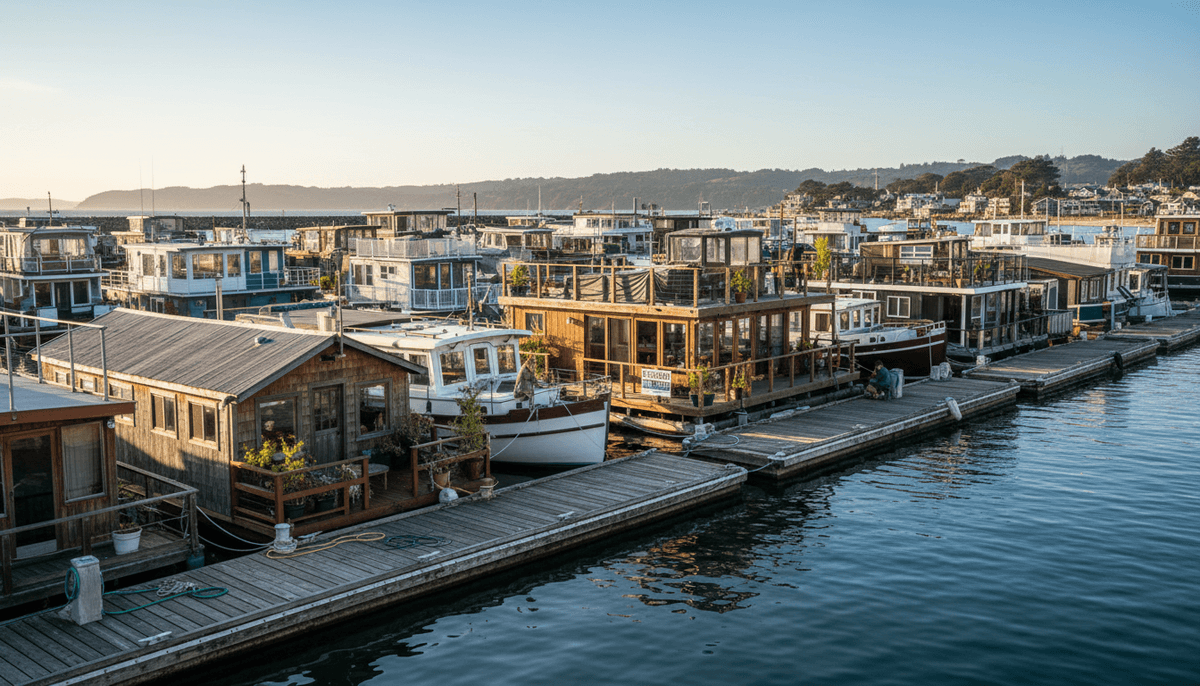
You are shopping Seattle, Portland, or Sausalito for a moored home with no propulsion. Your cost structure is real estate, not boating: a mortgage, property tax, a dock share, and appreciation potential. Sections 5, 6, and 11 quantify what makes a floating home different.
The lake and reservoir cruiser
You keep the boat on Lake Powell, the Tennessee and Kentucky lakes, Lake of the Ozarks, or Lake Shasta. Inland moorage is your cheapest line in the country, and season length and haul-out drive the rest. Section 11 breaks down each reservoir market.
The upgrader and downsizer
You are stepping up from a trawler or a cruiser for the living space, or down from a waterfront house to cut property tax and yard work. Either way you want a clear read on what changes in the budget. The comparison in Section 3 and the disadvantages in Section 13 are your starting points.
3. Houseboat vs. Trawler
The trawler is the fairest yardstick for a cruising houseboat because both are displacement-hulled, diesel-friendly, live-aboard-capable boats bought for time on the water rather than speed. The difference is intent. A trawler is built to cross open water and cruise for range; a houseboat is built as a wide, flat platform that maximizes living space at the cost of seakeeping. You pay less to buy a houseboat and get more room, and you give up the blue-water capability a trawler is engineered for. For the full trawler picture, see our trawler cruising powerboat ownership cost guide.
The first fork: cruising houseboat vs. floating home
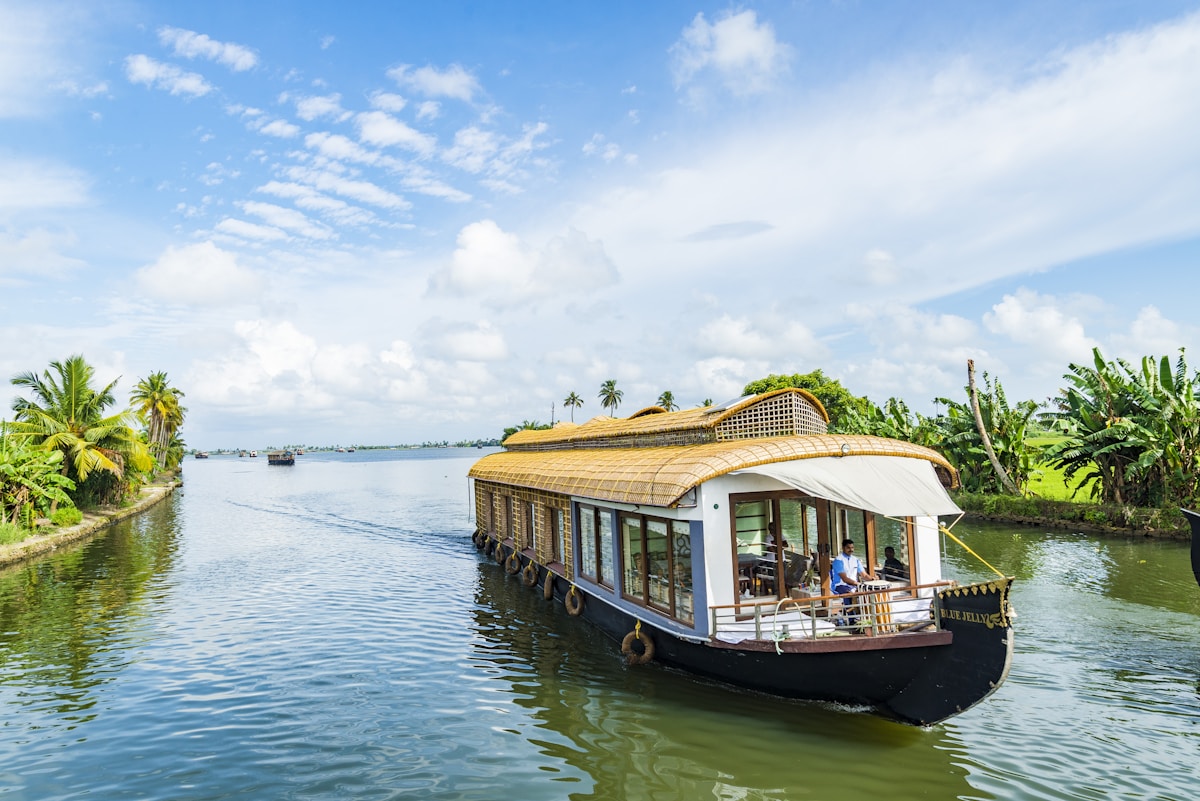
Before you compare a houseboat to a trawler, settle what kind of houseboat you mean, because the two forms barely share a budget. A cruising houseboat carries propulsion and a generator and moves under its own power. A floating home has neither and never leaves its berth. That single distinction reroutes financing, tax, insurance, fuel, maintenance, and resale.
| Factor | Cruising Houseboat (CH) | Floating Home (FH) |
|---|---|---|
| Propulsion | Engine plus generator; moves under power | None; permanently moored |
| Cost analogy | Large powerboat plus a home | Waterfront real estate on a float |
| Financing | Marine or chattel loan (personal property) | Home mortgage if classified real property |
| Taxed as | Vessel; registration $50–$300 | Real property; residential property tax |
| Fuel and engines | Ongoing fuel, generator, and repower exposure | Shore power only; no propulsion cost |
| Resale | Depreciates like a boat | Can appreciate in tight metros |
| Concentrated in | Lakes and reservoirs nationwide | Seattle, Portland, Sausalito, and a few metros |
Sources: Cruising-houseboat and floating-home distinction from Team Up Seattle and Mangrove Marina; financing structure from AmeriSave. This split governs every table that follows.
Purchase price and annual holding, head to head
| Measure | Cruising Houseboat | Trawler (40 ft) |
|---|---|---|
| Used purchase | $30,000–$200,000 | $200,000–$700,000 |
| New purchase | $150,000–$500,000+ | $400,000–$1,000,000 |
| Annual holding (10% rule) | $10,000–$40,000 | $40,000–$100,000 |
| Built for | Beam-heavy living platform, lakes and rivers | Long-range, blue-water cruising |
| Entry point | Far lower; used from about $30,000 | Higher; six figures used |
Sources: Trawler pricing and the roughly 10%-of-value annual rule from Yacht Trading; houseboat pricing from Boat Trader and Mangrove Marina. Both hold at roughly 10% of value a year; the houseboat's lower buy-in lowers the dollar figure.
Why the houseboat costs less to buy but not to keep:
- The hull. A wide, flat houseboat hull is cheaper to build than a trawler's deep displacement hull, so the entry price is far lower. That is why a used cruising houseboat starts near $30,000 while a used trawler starts in the low six figures.
- The systems. A houseboat carries a full home's worth of systems: air conditioning, plumbing, appliances, and a generator, all covered in Section 10. You maintain a house and a boat at once, so upkeep stays near 10% of value even though the purchase was cheap.
- The moorage. A beam-heavy houseboat needs a wide slip, and wide slips cost more per foot in tight markets. Moorage, not the hull, is the line that separates a cheap houseboat from an expensive one.
- The range you are not buying. A trawler's cost includes the engineering to cross open water. A houseboat spends that money on living space instead, which is the whole point for most buyers.
When a houseboat is worth it: you want maximum living space on protected water, you plan to liveaboard or vacation aboard for long stretches, and you value square footage over range. When a trawler makes more sense: you want to cruise the coast, cross open water, or move between cruising grounds under your own power, and you can carry the higher buy-in and holding cost.
One more framing helps: a trawler is a boat you also live on, while a houseboat is a home that also floats. That single shift in priorities, from range and seakeeping to space and comfort, explains almost every difference in the two budgets, and it is the honest test of which one you actually want.
"A houseboat is a house and a boat at the same time, which is the whole appeal and the whole budget. You carry a small version of every home expense and a full version of every marine one." – Adapted from ownership-cost guidance published by Mangrove Marina
4. How Costs Have Changed (2020–2026)
The pandemic boom (2020–2022)
When recreational boating and remote work collided, demand for space on the water surged. Cruising houseboats, already a mostly used market, saw clean older hulls hold or gain value, and floating homes in Seattle, Portland, and Sausalito rode the same housing wave that lifted waterfront real estate everywhere. Marinas that had never kept waitlists started keeping them, and the scarce liveaboard slips, capped by policy at a fraction of each marina, became the hardest thing in boating to find.
The correction (2023–2026)
As rates rose, the used cruising-houseboat market cooled and a shopper regained negotiating room on the boat itself. But the costs around the boat reset higher and stayed there. Moorage is sticky because slips are a fixed supply, floating-home prices in supply-constrained metros held up better than the boat market, and insurance absorbed a run of weather losses. By 2026 the boat is easier to buy and everything around it is harder to afford.
| Cost Line | 2020 | 2023 (peak) | 2026 | Trend |
|---|---|---|---|---|
| Used cruising houseboat (typical) | Baseline | +30–45% | +15–25% vs 2020 | Softening from peak |
| Floating home, tight metro | Baseline | +25–40% | +20–35% vs 2020 | Held with housing |
| Inland moorage (per ft) | Baseline | +15–20% | +20–30% vs 2020 | Up, sticky |
| Metro floating-home berth | Baseline | +15–25% | +20–30% vs 2020 | Up, waitlisted |
| Marina fuel, diesel (per gal) | ~$3.00 | ~$5.50 | $5.26–$6.10 | Up, volatile |
| Liveaboard surcharge (per mo) | ~$75–$250 | ~$100–$400 | $100–$500 (to $800 metros) | Up |
| Houseboat loan APR (well-qualified) | ~5.0% | ~8.0% | 7–10% | Up sharply |
| Depreciation pace (cruising houseboat) | Normal | Slowed (hot used market) | Normalizing | Back to trend |
Sources: 2026 fuel from the U.S. EIA (on-highway diesel $5.257 per gallon) and marina Miami rates from Boat Repair Miami; moorage and liveaboard trend from Marina Seeker; loan rates from AmeriSave. Historical 2020 and 2023 columns are directional estimates anchored to the cited 2026 figures; treat them as trend, not precise history.
The buyer takeaway:
- Good news: the used cruising-houseboat market has cooled, so a well-kept older hull is the best value it has been since 2020, with real room to negotiate on the boat.
- Bad news: moorage, the biggest line, reset higher and is unlikely to fall, and financing is far more expensive than it was in 2020.
- Our take: secure the slip before you buy the boat. In a waitlisted market the moorage, not the hull, is the scarce asset, and a great boat with nowhere to keep it is a liability.
"The true cost of owning a boat in 2026 is set less by the sticker than by the slip, the fuel dock, and the lender, all of which have reset higher and stayed there." – Adapted from the true-cost-of-ownership analysis at Morning Star Marinas
5. Depreciation and Resale by Segment
Every other cost in this guide is a check you write. Depreciation is the one you do not, which is exactly why buyers overlook it, and on a houseboat it depends entirely on which type you own. There is no single houseboat depreciation curve, because the class runs from mass-market pontoon-hull cruisers to one-off custom floating homes. We use segment-level resale narratives, not a manufactured per-brand table, because clean per-brand curves do not exist for custom builds.
The cruising-houseboat depreciation curve
| Age | Value Retained (cruising houseboat) | Value Lost from New |
|---|---|---|
| Year 1 | 85–90% | 10–15% |
| Year 3 | 78–85% | 15–22% |
| Year 5 | 70–80% | 20–30% |
| Year 10 | 44–63% | 37–56% |
| Year 15+ | Settles toward a floor near $100 per foot | Approaches the hull floor |
Sources: Cruising-houseboat first-year and five-year loss from Mangrove Marina; the year-10 retained band from general boat-depreciation data at Yacht Trading. The year-3 row is interpolated between the two and modeled, not a survey figure.
Resale by segment
| Segment | Example Builders | Resale Behavior | 5-Year Read |
|---|---|---|---|
| Entry cruiser | Gibson, Catamaran Cruisers / Aqua Lodge | Depreciates like a boat; low buy-in limits dollar loss | Older hulls floor near $100 per foot |
| Mid cruiser | Destination Yachts, mid Sumerset | Standard boat curve; condition and hours drive value | Retains roughly 70–80% |
| Luxury cruiser | Sumerset Luxe, Thoroughbred, Bravada | Steep first-owner drop; custom work thins the buyer pool | Retains 55–70%; custom has no clean curve |
| Floating home | Harbor Cottage, metro resales | Behaves like real property; can appreciate in tight metros | Often holds or gains value |
Sources: Cruising-houseboat depreciation from Mangrove Marina and Yacht Trading; floating-home appreciation from Rexmont and Bay Area Modern. Custom builds are bespoke and carry no manufactured per-brand curve; treat luxury resale as directional.
The plain truth on custom builds: a one-off luxury cruising houseboat or a bespoke floating home does not have a clean, published resale curve the way a production runabout does. Each sale is close to a negotiation of one, set by location, condition, and how badly the next buyer wants that specific boat. Model your custom-build resale conservatively and treat any upside as a bonus. A worked example makes the cruising-boat side concrete: a $100,000 pontoon-hull houseboat can lose $20,000–$30,000 by year five, more than most owners spend on moorage in that stretch.
What slows depreciation: a documented service history, a fresh generator and drivetrain, a dry interior with no float or hull rot, a desirable slip that can transfer with the boat, and, for a floating home, a tight metro market with almost no new supply. What accelerates it: deferred maintenance, a tired engine or generator, soft floats, an outdated interior, and a custom layout only the original owner loved.
"A cruising houseboat depreciates like a boat, while a floating home in a supply-starved metro can behave like the real estate it legally is. Which one you own decides whether time is your friend or your bill." – Adapted from depreciation guidance at Mangrove Marina and floating-home coverage at Team Up Seattle
6. Financing: Marine Loan vs. Home Mortgage
A worked example
Take a mid-size cruising houseboat at $180,000. Put 20% down ($36,000) and finance $144,000 with a marine loan at 8.5% over 20 years. Your payment is about $1,250 a month, or roughly $15,000 a year, and over the full term you pay close to $300,000, of which about $156,000 is interest. Now take a $500,000 floating home classified as real property. Put 25% down ($125,000) and finance $375,000 with a specialty home mortgage at 7% over 30 years. Your payment is about $2,495 a month, and although the total interest is large in dollars, the lower rate and longer, tax-advantaged structure make each borrowed dollar cheaper than on the marine loan. Same word, houseboat, two completely different loans.
The financing fork, side by side
| Factor | Cruising Houseboat (CH) | Floating Home (FH) |
|---|---|---|
| Loan type | Marine or chattel loan | Conventional or specialty home mortgage |
| Legal status | Personal property (a vessel) | Real property (permanent utilities, fixed slip) |
| Term | 10–20 years | 15–30 years |
| Rate | 7–10% (5.9–6.5% top-tier) | Near residential mortgage rates |
| Down payment | 20–25% | Mortgage-style, varies by lender |
| Specialist lenders | Marine lenders and credit unions | Banner Bank, Sound Community Bank |
Sources: Marine and chattel loan structure from AmeriSave and Boat Trader; floating-home mortgage eligibility and dedicated lenders from Team Up Seattle. Eligibility for a home mortgage hinges on the floating home being classified as real property.
What a marine loan adds by amount financed
| Amount Financed | Monthly (8.5%, 20 yr) | Total Paid | Interest Paid |
|---|---|---|---|
| $100,000 | ~$868 | ~$208,300 | ~$108,300 |
| $150,000 | ~$1,302 | ~$312,500 | ~$162,500 |
| $250,000 | ~$2,170 | ~$520,800 | ~$270,800 |
| $400,000 | ~$3,472 | ~$833,300 | ~$433,300 |
Sources: Boatwork amortization model at 8.5% over 240 months, benchmarked to houseboat loan rates from AmeriSave and Boat Trader. A floating-home mortgage at a lower rate over a longer term costs less per borrowed dollar than this marine-loan schedule.
Before you sign, pressure-test the loan against the boat, not just the monthly payment.
- Match the term to the type. A cruising houseboat is a depreciating asset, so favor the shortest term you can carry; a floating home can support a longer mortgage.
- Confirm the classification first. Whether a floating home is real property decides if you get a mortgage or a pricier marine loan, so settle it before you shop rates.
- Size the down payment to the drop. A larger down payment keeps a cruising boat from going underwater in the early depreciation years.
- Read the prepayment terms. The cheapest houseboat loan is the one you can pay down fast without a penalty.
Registration, property tax, and the classification that decides both
A cruising houseboat is a vessel, so you pay registration, commonly $50–$300 depending on the state (Florida runs about $79–$129 plus roughly $30 in fees), and no property tax on the boat itself. A floating home classified as real property is taxed like a residential home in its county, which in a market like Seattle and King County is a real annual line but comes with the deductibility and appreciation of real estate. The slip adds its own layer: a floating home may sit on fee-simple, a co-op dock share, or a leasehold with association fees, while a cruising houseboat simply holds a marina slip license. Confirm the classification and the slip arrangement before you close, because they set your tax bill and your financing at the same time.
Sources: Vessel registration and property-tax treatment from Team Up Seattle and Mangrove Marina. Rates and rules vary by state and county; verify with your local revenue office before you close.
"The houseboat loan and the houseboat itself pull in opposite directions: the loan stretches out while the boat depreciates, and the gap in the early years is where owners get caught." – Adapted from houseboat-financing guidance at AmeriSave
7. Purchase Prices by Size and Type
Cruising houseboat prices by size
| Size | Typical Price (cruising houseboat) | Common Setup |
|---|---|---|
| Compact (28–42 ft, entry) | $34,990–$110,000 used | Single gas inboard or outboard plus a small generator |
| Mid (42–55 ft) | $30,000–$200,000 used; new from ~$150,000 | Single or twin gas or diesel inboard plus a generator |
| Large (55–75 ft) | $150,000–$500,000+ new | Twin diesel plus one or more generators |
| Luxury / custom (65 ft+) | $500,000–$1,300,000+ | Twin diesel, multi-zone systems, bespoke interior |
Sources: Aggregate cruising-houseboat listing range ($4,000–$1,300,000 across roughly 483 listings, average length about 66 feet) from Boat Trader; new-and-used bands and the luxury tier from Mangrove Marina and Trifecta Houseboats. Condition matters more than age at the low end.
Floating home prices by metro
| Market | Typical Price (floating home) | Notes |
|---|---|---|
| Seattle (Lake Union / Eastlake) | $175,000–$899,000 (general $400,000–$2,000,000+) | Real property; a co-op dock share may be extra |
| Sausalito / SF Bay | $450,000–$1,895,000 (median list $1,295,000) | Priciest metro, roughly $1,083 per square foot |
| Portland, OR | $69,000–$929,000 (median ~$350,000–$425,000) | The most affordable floating-home metro |
| New-build cottage (Harbor Cottage) | $209,000–$249,000 | 44–46 ft residential floats, no propulsion |
Sources: Seattle from Rexmont; Sausalito from Bay Area Modern; Portland from Homes.com; new-build cottages (Coastal Manor 45 ft $209,000, Sea Shanty 44 ft $215,000, Harbor Retreat 46 ft $249,000) from All About Houseboats.
Prices by builder and segment tier
| Tier | Example Builders | Typical Price |
|---|---|---|
| Entry cruiser | Gibson, Catamaran Cruisers / Aqua Lodge | $11,500–$110,000 |
| Mid cruiser | Destination Yachts | $11,500–$274,000 |
| Luxury cruiser | Sumerset, Thoroughbred, Bravada | $99,500–$1,300,000+ |
| Floating home | Harbor Cottage, metro resales | $69,000–$1,895,000 |
Sources: Gibson used range ($34,500–$109,995) from Boat Trader; Catamaran Cruisers / Aqua Lodge ($34,990–$289,000) from Catamaran Cruisers; Sumerset and luxury tier from Trifecta Houseboats; Bravada from Crow Survival; Thoroughbred from itBoat.
Drivetrain and generator, cruising houseboats only
A cruising houseboat carries a drivetrain and a generator; a floating home carries neither. That is the single biggest reason the two forms cost so differently to run. The table below models the common cruising-houseboat power configurations and what they mean for fuel and repower exposure.
| Rig (cruising houseboat) | Typical Boat | Cost and Fuel Read |
|---|---|---|
| Single gas inboard / sterndrive | 40–50 ft entry and mid | Lowest entry; gas repower $12,000–$22,000 |
| Twin gas inboard | 42–45 ft (Gibson twin 4.3L V6) | Roughly 10–12 GPH at 16 knots; thirstier |
| Single or twin diesel inboard | 45–75 ft cruiser | Roughly 1–5 GPH cruise; diesel repower $20,000–$70,000+ |
| Generator (genset) | Onan 8kW diesel typical | Roughly 0.5–1 GPH; replacement $7,500–$15,000 plus install |
| Floating home | Any metro FH | No propulsion, no generator fuel; shore power only |
Sources: Fuel-burn figures from All About Houseboats; repower ranges from SH Continental Marine; generator replacement from The Hull Truth. Generator GPH is an industry rule of thumb rather than a single published figure.
"The cheapest houseboat on the listing sheet is rarely the cheapest to own. On a hull this size, deferred maintenance and a tired generator can cost more than the boat did." – Adapted from used-boat buyer guidance at Boat Trader
8. Moorage Costs by Market and Type
Moorage by type
| Moorage Type | Typical Cost | Best For | Trade-off |
|---|---|---|---|
| Buoy / mooring ball | ~$11 per ft/mo (Lake Powell); $450/mo (Norris) | Budget cruising houseboats on reservoirs | Dinghy access, no shore power |
| Open slip (head-in) | $8–$12 per ft/mo; $3,540–$3,840/yr on Lake Shasta | Reservoir cruising houseboats | Weather and sun exposure |
| Covered slip | $455–$685/mo (Norris houseboat slips) | Sun and rain protection | Costs more, often waitlisted |
| Floating-home berth / dock share | $800–$2,500+/mo (Seattle); dock share purchase | Metro floating homes | Buy-in, HOA and co-op rules |
| Liveaboard surcharge | +$100–$500/mo plus metered electric | Full-time living aboard | Capped at ~10–25% of slips; waitlists |
Sources: Lake Powell buoy and per-foot rates from Lake Powell (Wahweap); Norris houseboat slip and buoy rates from Waterside Marina; Lake Shasta head-in rates from Jones Valley and Silverthorn Resort; Seattle berths and dock shares from Rexmont; liveaboard surcharge and slip caps from Marina Seeker.
Moorage by market (per foot, monthly)
| Market | Per-Foot Monthly | 50-Foot Example (monthly) |
|---|---|---|
| National average | $15–$35 | $750–$1,750 |
| Inland reservoirs (KY, TN, MO) | $8–$12 | $400–$600 |
| Oregon | $14–$24 | $700–$1,200 |
| Washington (plus FH berth) | $18–$30 (FH berth $800–$2,500) | $900–$1,500, metro premium extra |
| Florida | $20–$50 | $1,000–$2,500 |
| California | $25–$50 | $1,250–$2,500 |
Sources: Per-foot state ranges from Marina Seeker and ManageCasa; Seattle floating-home berths from Rexmont; Florida marina rates from Boat Repair Miami. Per-foot figures are for the boat only; liveaboard and floating-home berths carry the premiums shown separately.
Liveaboard surcharge and the waitlist problem
| Item | Figure | Notes |
|---|---|---|
| Liveaboard surcharge | $100–$400/mo (to $500–$800 some metros) | On top of base moorage |
| Metered electricity (liveaboard) | $50–$200/mo (to $200+ at peak) | Heating and cooling drive the peaks |
| Liveaboard slip availability | ~10–25% of slips | Policy caps create scarcity and waitlists |
| Dock share (co-op floating home) | Purchase required | Common in Seattle and Sausalito co-ops |
Sources: Liveaboard surcharge, metered power, and the roughly 10–25% slip cap from Marina Seeker; dock-share requirement from Rexmont and Crow Survival.
When you compare marina quotes, make sure you are comparing the same thing, because two slips at the same headline rate can carry very different real costs.
- Per foot or flat? Reservoir marinas often quote per foot, while metro berths quote a flat monthly rate; convert both to an annual number before you compare.
- What is bundled. Ask whether water, sewage pump-out, and shore power are included or metered on top, since a low base rate can hide a high all-in cost.
- The liveaboard line. Confirm the surcharge, the metered-power arrangement, and whether the marina permits liveaboards at all before you count on living there.
- Transfer and waitlist rules. In a capped market, ask how the slip transfers if you sell and how long the waitlist runs, because the moorage can be worth more than the boat.
- The dock share. For a floating home, a co-op berth may require buying a share and passing member approval, a real cost beyond the monthly fee.
"Ask any liveaboard where the money goes and the answer is the moorage. The boat you can afford to buy is often the berth you cannot afford to keep." – Adapted from moorage and liveaboard guidance at Marina Seeker
9. Insurance Cost by Type and Use
Annual premium by coverage and type
| Coverage Level | Cruising Houseboat (CH) | Floating Home (FH) |
|---|---|---|
| Basic | $500–$2,000/yr | Lower marine exposure; may pair with a homeowner-style policy |
| Comprehensive | $1,200–$3,000/yr | Structure and liability; survey required |
| Rule of thumb | ~1–2% of value | ~1–2% of value; no propulsion lowers hull risk |
| Liveaboard loading | Full-time use costs more than recreational | Applies when lived in full time |
Sources: Range and coverage tiers from The Ephraim Group and Insured Better; liveaboard loading from Insuryon. A floating home with no propulsion carries lower hull-and-machinery risk than a cruising boat of the same value.
What moves your premium
| Component or Factor | Typical Cost or Effect |
|---|---|
| Liability | $300–$500/yr |
| Hull coverage | $400–$2,500/yr |
| Personal effects | $100–$300/yr |
| Marine survey (usually required) | $10–$30 per foot |
| New-owner loading (pre-safety-course) | +10–20% |
| Liveaboard vs recreational use | Full-time use costs more |
| Wreck removal if uncovered | More than $10,000 out of pocket |
Sources: Component pricing and rating factors from The Ephraim Group, Insuryon, and Insured Better. Wreck-removal exposure is the line most owners underinsure.
A houseboat policy is not a car policy with a boat sticker on it. Before you bind coverage, confirm it addresses the specific ways a house-and-boat can cost you.
- Wreck removal. Raising and removing a sunken houseboat can cost more than $10,000, and it is the line owners most often leave uncovered.
- Liveaboard use. Tell the insurer if you live aboard, because undisclosed full-time use can void a claim, and it changes the rate anyway.
- Agreed vs. actual value. Decide whether a total loss pays a pre-set agreed amount or a depreciated cash value, which matters more on a depreciating cruising boat.
- Hull and machinery. On a cruising houseboat, confirm the engines and the generator are covered, not just the hull and liability.
- Personal effects. A liveaboard's belongings are a household's worth of property; make sure they are scheduled if they matter.
"On a houseboat, the survey is not a formality, it is the price of admission to coverage. Insurers rate the water you sit in and the way you live aboard, not just the boat." – Adapted from houseboat-insurance guidance at The Ephraim Group
10. Maintenance: House Systems and Marine Systems
The reason houseboat upkeep runs above a comparable land house is simple: you own both a home and a vessel, and each has its own maintenance schedule. The house systems below live in almost every houseboat, cruising or floating. The marine systems below fall heaviest on cruising houseboats, which add engines and a generator, and lighter on floating homes, which still carry the float, the hull, and the shore-power connection.
Here is why the same square footage costs more to keep on the water than on land:
- You have two of every trade. A land house needs an electrician and a plumber; a houseboat needs a marine electrician, a marine plumber, and a mechanic, and marine labor rates run above their residential equivalents.
- Salt and water never stop. The hull, the bottom, and the shore-power connection live in the water year-round, so a moored home carries float and hull work a land house never sees.
- The generator is a house utility you own. On a cruising houseboat you are the power company at anchor, and the genset is a five-figure asset you service and eventually replace.
- Access is tight. Systems tucked into a hull take longer to reach than the same systems in a basement or an attic, and labor is billed by the hour.
- Waste is your job. Holding tanks and pump-outs are a routine cost and chore that a home on a municipal sewer simply does not have.
House systems (both types)
| System | Typical Cost | Notes |
|---|---|---|
| Marine A/C, under 35 ft (installed) | $4,000–$8,000 | Unit alone $2,000–$5,000 |
| Marine A/C, 35–50 ft (installed) | $8,000–$18,000 | Mid unit $5,000–$10,000 |
| Marine A/C, large / multi-zone | $20,000–$50,000+ | Large cruisers and metro floating homes |
| Plumbing, appliances, interior | Rolled into $1,000–$5,000+/yr routine | No clean public line item; budget as routine |
Sources: Marine air-conditioning installation from SS Dockside Marine; routine interior, plumbing, and appliance budgeting from Mangrove Marina. HVAC service is covered by a marine A/C and climate-control specialist; interior work by marine handyman services.
Marine systems (cruising houseboats heavy, floating homes lighter)
| System | Typical Cost | Interval |
|---|---|---|
| Bottom paint / haul-out (houseboat) | $2,000–$5,000 | Every 2–3 years |
| Bottom painting (general) | $2–$8 per sq ft | Per cycle |
| Pump-out | $20–$50 | Per service |
| Shore-power pedestal | $500–$6,000 (+$2,000–$4,000 dock wiring) | As needed |
| Generator (Onan 8kW diesel) | $7,500–$15,000 plus install | Replacement |
| Engines (cruising houseboat only) | See the repower table below | On condition |
Sources: Bottom paint and haul-out from Mangrove Marina and Latest Cost; shore-power pedestal and dock wiring from Power Pedestal; generator replacement from The Hull Truth. Hull work is handled by a hull and bottom cleaning service; generator and electrical work by a marine mechanic.
Annual maintenance budget by type
| Line | Cruising Houseboat (CH) | Floating Home (FH) |
|---|---|---|
| Routine upkeep | $1,000–$5,000+/yr | Lower on the marine side; no propulsion |
| Unexpected repairs | $2,000–$10,000/yr | Float and hull work still applies |
| Fixed before leaving the dock | $3,000–$8,000 | Not applicable; it does not leave |
| Rule of thumb | ~10% of value per year | Below CH on the marine side |
Sources: The roughly 10%-of-value rule and routine-plus-unexpected split from Morning Star Marinas, Mangrove Marina, and Crow Survival. Full-service upkeep can be handed to a yacht management provider.
Fuel and generator burn, cruising houseboats only
| Configuration | Cruise GPH | Speed | Notes |
|---|---|---|---|
| 40 ft single 4-cyl diesel | ~1 | 7 knots | Most efficient displacement cruise |
| 45 ft single 3.0L | ~2 | 6–7 knots | Small gas single |
| 42–45 ft Gibson twin 4.3L V6 | ~10–12 | 16 knots | Gas twin, thirsty at speed |
| 67 ft twin diesel | ~5 | 2400 rpm | Large cruiser |
| Generator (genset) | ~0.5–1 | At dock or underway | Industry rule, not a single published figure |
Sources: Houseboat fuel-consumption figures from All About Houseboats. U.S. regular averaged $4.006 and on-highway diesel $5.257 per gallon on August 10, 2026 (EIA); marina diesel in Miami runs $5.40–$6.10 (Boat Repair Miami). Planing-hull houseboats can drop below 0.5 miles per gallon; a floating home burns none of this.
Major repairs and refit
| Repair | Typical Cost |
|---|---|
| Repower, gas sterndrive or inboard | $12,000–$22,000 |
| Repower, diesel inboard (small to mid) | $20,000–$45,000 |
| Repower, large diesel | $45,000–$70,000+ |
| Outboard replacement | $1,500–$30,000 |
| Generator replacement | $7,500–$15,000 |
| HVAC replacement | $4,000–$18,000 |
| Bottom and hull refresh | $2,000–$5,000 per cycle |
| Shore-power and dock electrical | $500–$6,000 (+$2,000–$4,000 wiring) |
| Interior and appliance refit (FH) | Data placeholder for editorial team (no isolated public figure; shops quote by the job) |
Sources: Repower ranges from SH Continental Marine; generator from The Hull Truth; HVAC from SS Dockside Marine; bottom and shore-power from Mangrove Marina and Power Pedestal. Interior refit pricing is a marked placeholder rather than an invented figure.
"You are maintaining a house and a boat at once, so plan on roughly a tenth of the value every year and treat the generator and the bottom as when, not if." – Adapted from houseboat cost guidance at Mangrove Marina and fuel data at All About Houseboats
11. Regional Cost Breakdown by Houseboat Market
Houseboats do not float where coastal powerboats do. They concentrate on the big reservoirs and rivers, where cruising houseboats vacation and liveaboard, and in a handful of floating-home metros, where moored homes trade like real estate. This section breaks the seven mandatory houseboat markets into a lake and reservoir group, a floating-home metro group, and a South Florida liveaboard cut.

Lake and Reservoir Markets
Lake Powell, the Tennessee and Kentucky lakes, Lake of the Ozarks, Lake Shasta, and the California Delta are where cruising houseboats live. Moorage is cheap by national standards, fresh water is easy on the hull, and the defining costs are haul-out, generator, and season length.
Lake Powell (Arizona and Utah)
| Length | Monthly Per Foot (Wahweap) | Notes |
|---|---|---|
| Up to 29 ft 11 in | $12.63 | Smallest slip band |
| 30–39 ft | $13.60 | |
| 40–49 ft | $14.65 | |
| 50–59 ft | $15.68 | |
| 60–69 ft | $16.64 | |
| 70 ft and up | $17.62 | Largest slip band |
| Buoy | $11.00 | Cheapest moorage; no shore power |
Sources: Published Wahweap Marina slip and buoy rates from Lake Powell. Rates rise with length band; a 50-foot boat sits near $784 a month at the $15.68 per-foot rate.
Tennessee and Kentucky Lakes (Norris, Cumberland, Dale Hollow)
| Slip or Item | Rate | Notes |
|---|---|---|
| Norris, 16 ft × 60 ft covered | $455/mo | Waterside Marina houseboat slip |
| Norris, 22 ft × 90 ft | $565/mo | Larger houseboat slip |
| Norris, 24 ft × 100 ft | $685/mo | Largest published band |
| Norris buoy | $450/mo | Requires $300,000 liability coverage |
| Cumberland, Dale Hollow benchmark | $8–$12 per ft/mo | Specific dock rates gated behind phone quotes; placeholder |
Sources: Norris houseboat slip and buoy rates, and the $300,000 liability requirement, from Waterside Marina; the $8–$12 per-foot regional benchmark from Marina Seeker. Cumberland (State Dock) and Dale Hollow dock pricing is quote-gated (State Dock) and marked as a placeholder.
Lake of the Ozarks (Missouri)
| Item | Rate | Notes |
|---|---|---|
| Per-foot benchmark | $8–$12 per ft/mo | Inland reservoir band |
| Covered slip premium | Data placeholder for editorial team | Marina rates quote-gated |
| Liveaboard availability | Limited; confirm marina policy | Caps and rules vary by dock |
Sources: Inland reservoir per-foot benchmark from Marina Seeker and ManageCasa. Lake of the Ozarks dock-specific pricing is largely quote-gated and marked as a placeholder rather than an invented figure.
Lake Shasta (California)
| Marina and Slip | Annual | Monthly |
|---|---|---|
| Jones Valley, 15 ft × 56 ft with finger | $4,895/yr | ~$550/mo |
| Jones Valley, head-in | $3,540/yr | ~$295/mo |
| Silverthorn, head-in (2024) | $3,840/yr | ~$320/mo |
Sources: Jones Valley 2021 moorage rates from houseboats.com; Silverthorn 2024 fees from Silverthorn Resort. Lake Shasta pairs full-service houseboat marinas with California-level demand.
California Delta
| Item | Rate | Notes |
|---|---|---|
| California per-foot band | $25–$50 per ft/mo | Statewide reference; Delta typically below coastal metros |
| Delta liveaboard slip | Data placeholder for editorial team | Freshwater market; rates vary by marina |
| Draw | Protected freshwater, year-round season | Popular liveaboard and cruising ground |
Sources: California statewide per-foot band from Marina Seeker and ManageCasa. Delta-specific liveaboard rates are not consistently published and are marked as a placeholder; the Delta generally sits below coastal California marinas.
Floating-Home Metros
Seattle, Portland, and Sausalito are where floating homes trade like the scarce waterfront real estate they legally are. Here the berth, the dock share, and the metro housing market drive the cost, and there is no fuel or generator line at all.
Seattle and Lake Union (Washington)
| Line | Figure | Notes |
|---|---|---|
| Floating-home purchase | $175,000–$899,000 (general $400,000–$2,000,000+) | Lake Union and Eastlake |
| Moorage / berth | $800–$2,500+/mo | Slip plus water and sewage |
| Dock share (co-op) | Purchase required | Co-op marinas sell a share on top of the home |
| Tax treatment | Real property | Taxed like residential real estate |
Sources: Seattle purchase prices, berth rates, and dock-share requirement from Rexmont; real-property tax treatment from Team Up Seattle. Lake Union is the deepest floating-home market in the country.
Portland (Oregon)
| Line | Figure | Notes |
|---|---|---|
| Floating-home purchase | $69,000–$929,000 | Median roughly $350,000–$425,000 |
| Oregon moorage band | $14–$24 per ft/mo | Among the more affordable metros |
| Berth and HOA fees | Data placeholder for editorial team | Not consistently published |
Sources: Portland floating-home prices from Homes.com; Oregon per-foot band from Marina Seeker. Berth and HOA fees are not consistently published and are marked as a placeholder.
Sausalito and San Francisco Bay (California)
| Line | Figure | Notes |
|---|---|---|
| Floating-home purchase | $450,000–$1,895,000 | Median list roughly $1,295,000 |
| Price per square foot | ~$1,083 | Priciest floating-home metro |
| Berth and HOA fees | Data placeholder for editorial team | Not consistently published |
Sources: Sausalito floating-home prices and per-square-foot figure from Bay Area Modern. Berth and association fees are not consistently published and are marked as a placeholder.
South Florida Liveaboard Cut
South Florida is not a floating-home metro, but it is a real cruising-houseboat and liveaboard market, and its marina rates and fuel prices give a warm-water reference point.
South Florida (Cruising Houseboats and Liveaboards)
| Item | Rate | Notes |
|---|---|---|
| Coconut Grove / Dinner Key | $28–$38 per ft/mo | Prime Miami-area moorage |
| North Miami / Hollywood | $22–$28 per ft/mo | More affordable South Florida cut |
| 30-foot boat, annual moorage | ~$10,080–$13,680/yr | At the rates above |
| Marina diesel | $5.40–$6.10 per gal | Above the on-highway average |
Sources: South Florida marina rates, the 30-foot annual example, and marina fuel from Boat Repair Miami. Salt water adds anode, corrosion, and bottom cost that the freshwater reservoir markets avoid.
"In the floating-home metros the address is the asset. A Lake Union or Sausalito berth is priced like the scarce real estate it sits on, not like a slip on a reservoir." – Adapted from Seattle floating-home coverage at Rexmont
12. Cost of Ownership by Builder and Segment
Warranty comparison
| Builder / Segment | Structural Warranty | Components | Tier |
|---|---|---|---|
| Sumerset | Placeholder for editorial team | Placeholder | Luxury CH |
| Gibson | Placeholder for editorial team | Placeholder | Entry / classic CH |
| Destination Yachts | Placeholder for editorial team | Placeholder | Mid CH |
| Catamaran Cruisers / Aqua Lodge | Placeholder for editorial team | Placeholder | Entry CH |
| Bravada | Placeholder; operating-status conflict flagged | Placeholder | Ultra-luxury CH |
| Thoroughbred | Placeholder for editorial team | Placeholder | Luxury custom CH |
| Harbor Cottage | Placeholder for editorial team | Placeholder | Floating home |
Sources: Builder identities and segments from Trifecta Houseboats, Boat Trader (Gibson), Catamaran Cruisers, Crow Survival (Bravada), itBoat (Thoroughbred), and All About Houseboats (Harbor Cottage). Warranty terms are not consistently published for this class and are marked as placeholders rather than invented.
12.1 Sumerset Cost of Ownership
Purchase: The best-known luxury houseboat name, now built under Trifecta. Used examples start around $99,500 for an older boat, while a new 2026 Luxe I lists at $699,999 and a custom build reaches $1,299,000. See Trifecta Houseboats.
Insurance: Tracks the high insured value; a six-figure boat runs toward the $1,200–$3,000 comprehensive band.
Maintenance: Twin diesels, generators, and multi-zone systems mean full-house-plus-boat upkeep near 10% of value.
Resale: Steep first-owner drop, but strong brand recognition supports the used market.
Warranty: Placeholder for editorial team.
Owner tip: Buy a well-kept used Sumerset and let the first owner absorb the depreciation; the build quality carries.
12.2 Gibson Cost of Ownership
Purchase: The classic entry cruiser. Used Gibsons run $34,500–$109,995 across 1979–1999 hulls, averaging about $69,700. See Boat Trader.
Insurance: Low, tracking the modest value; often the bottom of the houseboat range.
Maintenance: Older gas twins are simple but due for attention; budget the generator and bottom.
Resale: Floors on older hulls near $100 per foot, but the low buy-in limits dollar losses.
Warranty: Placeholder for editorial team (vintage hulls; out of any original coverage).
Owner tip: A clean Gibson is the smart first houseboat. Survey the floats and transom carefully and you have the cheapest path onto the water.
12.3 Destination Yachts Cost of Ownership
Purchase: A broad mid-market builder. Prices run $11,500–$274,000, including fractional Lake Powell shares at the low end. See Boat Trader.
Insurance: Standard for the value insured.
Maintenance: Conventional cruising-houseboat systems; standard 10%-of-value budgeting.
Resale: Follows the standard boat curve; condition and hours drive value.
Warranty: Placeholder for editorial team.
Owner tip: The fractional-share option is a low-cost way to test houseboat ownership before buying a whole boat.
12.4 Catamaran Cruisers / Aqua Lodge Cost of Ownership
Purchase: Compact entry cruisers and floating cabins from $34,990 to $289,000, with the Lil Hobo line at $61,500–$137,500. See Catamaran Cruisers.
Insurance: Low to moderate, tracking the compact value.
Maintenance: Simple systems and small footprints keep upkeep at the low end of the class.
Resale: A niche compact market; resale is condition-driven.
Warranty: Placeholder for editorial team.
Owner tip: The compact Aqua Lodge is the affordable floating-cabin entry point, ideal for a reservoir slip and light liveaboard use.
12.5 Bravada Cost of Ownership
Purchase: An ultra-luxury custom name. Used examples span $30,000 to $1,000,000, new builds start above $500,000, and a GT reaches roughly $1,500,000. See Crow Survival.
Insurance: High, tracking the luxury value; expect the top of the comprehensive band.
Maintenance: Bespoke systems mean bespoke bills; budget conservatively and keep a service relationship.
Resale: Thin, bespoke market with no clean per-brand curve.
Operating status: Placeholder; sources conflict, with one reporting the builder ceased while late-model listings still appear. The editorial team should verify current status before publication.
Warranty: Placeholder for editorial team.
Owner tip: On a custom boat this expensive, a thorough survey and a documented service history matter more than the badge.
12.6 Thoroughbred Cost of Ownership
Purchase: A luxury custom builder of 50-to-100-foot houseboats, priced by inquiry. See itBoat.
Insurance: High, tracking the custom value.
Maintenance: Large twin-diesel cruisers with full systems; upkeep near 10% of a large value.
Resale: Custom builds carry a thin resale market and no manufactured curve.
Warranty: Placeholder for editorial team.
Owner tip: Buy the layout you will actually use, because a bespoke floor plan narrows your future buyer pool.
12.7 Harbor Cottage Cost of Ownership (Floating Home)
Purchase: New-build floating cottage homes with no propulsion: Coastal Manor 45 ft at $209,000, Sea Shanty 44 ft at $215,000, and Harbor Retreat 46 ft at $249,000. See All About Houseboats.
Insurance: Lower on the marine side; no propulsion reduces hull-and-machinery risk.
Maintenance: House systems plus float and hull work, but no engines or generator to service.
Resale: Behaves like real estate; can hold or appreciate in a tight metro.
Warranty: Placeholder for editorial team.
Owner tip: Confirm real-property classification and the berth arrangement before you buy, because both decide your financing and your tax.
Builder and segment cost summary
| Builder / Segment | Type | Typical Price | Annual Ownership | Resale |
|---|---|---|---|---|
| Sumerset | Luxury CH | $99,500–$1,299,000 | $20,000–$45,000 | Steep first-owner drop; strong brand |
| Gibson | Entry / classic CH | $34,500–$109,995 | $8,000–$18,000 | Floors on older hulls; low buy-in |
| Destination Yachts | Mid CH | $11,500–$274,000 | $10,000–$25,000 | Standard boat curve |
| Catamaran Cruisers / Aqua Lodge | Entry CH | $34,990–$289,000 | $8,000–$20,000 | Compact niche resale |
| Bravada | Ultra-luxury CH | $30,000–$1,500,000 | $25,000–$60,000+ | Thin bespoke resale; status flagged |
| Thoroughbred | Luxury custom CH | Inquiry-priced (50–100 ft) | $25,000–$60,000+ | Custom; no clean curve |
| Harbor Cottage | Floating home | $209,000–$249,000 new | $12,000–$40,000 | Can appreciate in tight metros |
Sources: Prices from Boat Trader, Trifecta Houseboats, Boat Trader (Gibson), Catamaran Cruisers, Crow Survival, itBoat, and All About Houseboats. Annual ownership figures are modeled from this guide's component costs.
"The largest houseboat builders sell a lifestyle at the top of the market, where custom work and thin resale go together. Buy the segment, not just the badge." – Adapted from builder and market coverage at Trifecta Houseboats and Crow Survival
13. Disadvantages of Ownership
A houseboat earns its place for the right owner, but the same house-and-boat combination that makes it appealing also creates real downsides. Here is the clear-eyed version, grouped by where it hurts.
Financial disadvantages
- Moorage is a permanent, rising line. The single biggest cost is the slip, and it climbs from $8–$12 per foot on a reservoir to $800–$2,500 or more for a metro floating-home berth, with no ceiling in a waitlisted market.
- You maintain a house and a boat. Upkeep runs near 10% of value a year, or $1,000–$5,000 routine plus $2,000–$10,000 unexpected on a cruising boat, above what a comparable land house costs.
- Cruising houseboats depreciate. A $100,000 pontoon-hull boat can lose $20,000–$30,000 by year five, a cost you do not see until you sell.
- The generator and repower are five-figure events. A new 8kW genset is $7,500–$15,000, and a diesel repower runs $20,000–$70,000 or more.
- Financing is expensive and mismatched. A marine loan at 7–10% over 20 years can leave you underwater on a depreciating cruising boat in the early years.
- Insurance carries a liveaboard loading and a survey cost. Full-time use costs more, and the required survey runs $10–$30 per foot.
Practical disadvantages
- Liveaboard slips are scarce. Marinas cap them at roughly 10–25% of berths, so finding legal moorage can be harder than finding the boat.
- Co-ops and HOAs gate floating homes. A dock share, member approval, and a waitlist can stand between you and a Seattle or Sausalito berth.
- Cruising houseboats handle like the barns they are. High freeboard and a flat hull make them beam-heavy and wind-sensitive, not boats for rough or open water.
- Systems fail like a house and a boat. HVAC, plumbing, appliances, shore power, and the generator all need service, and salt water adds corrosion on top.
- Pump-out and holding tanks are a routine chore. Living aboard means managing waste on a schedule a land house never imposes.
- Fresh water and float rot are real. Even a moored floating home carries float and hull work, and a neglected hull is a slow, expensive problem.
Lifestyle disadvantages
- It costs time, not just money. A houseboat is a home and a vessel, so maintenance and cleaning claim a real share of your weekends.
- Space is generous but service access is not. Systems tucked into a hull are harder and costlier to reach than the same systems in a land house.
- Weather and season limit cruising boats. A flat-bottomed houseboat is a fair-weather cruiser, and northern reservoirs close for winter.
- Selling takes patience. A custom houseboat can take months to move at the price you want, and the buyer pool is small.
- Moving is hard or impossible. A floating home does not move at all, so your address is fixed to a berth you may not control.
These downsides matter most to three owners: the liveaboard who cannot find a legal slip, the buyer who finances a custom cruising boat over a long term, and the buyer who underestimates how much a house-and-boat costs to keep. If you secure your moorage first, buy well-kept, and budget for the whole house and the whole boat, most of these fade into the cost of a life on the water. If not, read them twice before you sign.
14. Owning vs. the Alternatives
Cruising houseboat vs. floating home
| Factor | Cruising Houseboat (own) | Floating Home (own) |
|---|---|---|
| Upfront | $30,000–$500,000+ | $69,000–$1,895,000 |
| Propulsion and fuel | Engine and generator; ongoing fuel | None; shore power only |
| Mobility | Cruises under its own power | Fixed to its berth |
| Financing | Marine or chattel loan | Home mortgage if real property |
| Tax | Vessel registration $50–$300 | Residential property tax |
| Resale | Depreciates like a boat | Can appreciate in tight metros |
Sources: Prices and structure from Boat Trader, Rexmont, Bay Area Modern, and Team Up Seattle. The choice of type is the biggest fork in houseboat ownership.
Liveaboard vs. a land home or apartment
| Monthly Line | Liveaboard Houseboat | Notes |
|---|---|---|
| Slip / moorage | $800–$2,500 | Metro dependent; TX Gulf low end $500–$1,000 |
| Liveaboard surcharge | $100–$500 | On top of base moorage |
| Electricity | $50–$200 | Metered; peaks with heating and cooling |
| Insurance | $100–$300 | Liveaboard use loads the premium |
| Maintenance reserve | $200–$500 | Set aside for the house and the boat |
| Total liveaboard | $1,250–$4,000/mo | Roughly 30–50% below a comparable waterfront apartment |
Sources: Liveaboard monthly components, the 30–50% saving, and the California example ($2,000 liveaboard slip against a $3,500 one-bedroom apartment) from Marina Seeker. The saving assumes you supply the upkeep a land tenant never touches.
Rent or charter vs. own
Before you buy, a rental proves whether the lifestyle fits, and on Lake Powell the 2026 published rates put a hard number on it. A week aboard a mid-size boat at peak can cost as much as a season of reservoir moorage, which is exactly the point: charter a few times before you commit to owning.
| Lake Powell Houseboat (2026) | 3–4 Day Peak | 6–7 Day Peak |
|---|---|---|
| 46 ft Expedition | $1,669 | $2,897 |
| 50 ft Nomad | $3,347 | $4,769 |
| 59 ft Discovery XL | $4,086 | $6,823 |
| 62 ft Journey | $5,163 | $8,967 |
| 75 ft Excursion | $7,046 | $9,845 |
Sources: Published 2026 Lake Powell houseboat rental rates from Lake Powell; a $225 service fee applies per trip. Peak-week rates on a large boat can rival a full season of reservoir moorage.
The break-even math
Say you would own the moderate scenario at $18,000 a year, all in. A week aboard a 59-foot Lake Powell boat at peak runs about $6,823 plus the service fee, so three peak weeks of chartering costs more than a full year of owning that moderate boat. If you will use a houseboat more than two or three weeks a year, ownership pulls ahead on pure cost, and the gap widens the more you use it. If you get out only once a year, renting is cheaper and carries none of the moorage hunt, the maintenance, or the depreciation. The honest dividing line is how many weeks a year you will actually live aboard.
Non-financial factors
Ownership buys control and continuity: the same home on the water, set up your way, and, for a floating home, a foothold in a market that can appreciate. Renting or chartering buys freedom from moorage waitlists, maintenance, and the risk of a depreciating custom boat. Between the two houseboat types, a cruising boat buys mobility and a lower entry price, while a floating home buys a fixed metro address that behaves like real estate. Neither is universally right; match the choice to how you want to live on the water.
"For many liveaboards the math is simple: a slip plus a surcharge still lands well under a comparable waterfront apartment, as long as you respect the upkeep." – Adapted from liveaboard-marina guidance at Marina Seeker
15. Frequently Asked Questions
How much does it cost to own a houseboat per year?
Houseboat costs are driven by moorage and by type. A cruising houseboat commonly runs $10,000–$40,000 a year once you add slip fees, insurance, fuel, and upkeep, while a moored floating home is dominated by its berth and can run $12,000–$40,000 a year in a metro market. Moorage alone spans a few hundred dollars a month on an inland lake to $2,500 or more in Seattle or Sausalito. Because you maintain a house and a boat at once, budget roughly 10% of value a year for upkeep.
What is the difference between a cruising houseboat and a floating home?
A cruising houseboat has its own propulsion, an engine and a generator, and can move under its own power, so its cost structure resembles a large powerboat plus a home. A floating home is permanently moored, has no propulsion, and is taxed and financed more like real estate. The cruising boat costs more to run in fuel and engines but travels; the floating home skips propulsion costs but is tied to its berth and its metro real-estate market.
How much does houseboat moorage or slip rental cost?
Moorage is the single biggest line and varies enormously. Inland lake slips run about $8–$12 per foot a month, so a 50-foot boat is near $650–$800, while Lake Powell posts $12.63–$17.62 per foot by length. Floating-home moorage in Seattle runs $800–$2,500 or more a month, and many co-op marinas require buying a dock share on top. Expect a $100–$500 monthly liveaboard surcharge and, in popular markets, a waitlist.
How much does houseboat insurance cost?
Houseboat insurance runs $500–$3,000 a year: basic coverage is $500–$2,000 and comprehensive $1,200–$3,000, roughly 1–2% of value. Full-time liveaboard use costs more than recreational use, and new owners often pay 10–20% more until they complete a boating-safety course. A marine survey at $10–$30 per foot is usually required.
Do houseboats hold their value?
It depends on type. Cruising houseboats depreciate like boats, losing 10–15% the first year and 20–30% over five years, with older hulls settling toward a floor. Floating homes behave more like real estate and can hold value or even appreciate in tight metro markets like Seattle and Sausalito. Custom builds are the wild card, because a bespoke boat has a thin resale market.
Is living on a houseboat cheaper than a house or apartment?
Often, yes. Total monthly liveaboard cost runs $1,250–$4,000 for slip, surcharge, electricity, insurance, and a maintenance reserve, which owners report is 30–50% cheaper than a comparable waterfront apartment. A California example put a $2,000 liveaboard slip against a $3,500 one-bedroom apartment. The catch is upkeep and the scarcity of liveaboard slips.
Can you finance a houseboat or floating home?
Yes, but differently. A cruising houseboat is usually financed with a marine or chattel loan: 10 to 20 year terms, 7–10% rates, and 20–25% down, because it is legally personal property. A floating home classified as real property can sometimes qualify for a conventional or specialty home mortgage with better rates and longer terms. Which one you are buying changes your financing entirely.
What does it cost to maintain a houseboat?
Plan for roughly 10% of the boat's value a year, or $1,000–$5,000 in routine upkeep plus $2,000–$10,000 for the unexpected on a cruising boat. You maintain a house and a boat at once: hull and bottom, engines and generator, plus HVAC, plumbing, and appliances. A floating home runs lower on the marine side because it has no propulsion, but still carries float and hull work a land home never sees.
Houseboat vs trawler: which costs more to own?
A trawler and a cruising houseboat both follow the rough 10%-of-value annual rule, but they buy different things. A used 40-foot trawler runs $200,000–$700,000 and costs $40,000–$100,000 a year to hold, built for long-range cruising. A comparable houseboat enters far cheaper, used from about $30,000, and trades range for living space.
Is a houseboat a good investment?
Rarely in the way a house is. A cruising houseboat is a depreciating asset you buy for the lifestyle, not the return. A floating home in a supply-constrained metro can appreciate like real estate and is the closest houseboats come to an investment. Either way, buy for how you want to live on the water and treat any resale upside as a bonus.
16. Glossary of Terms
The vocabulary that shapes your houseboat budget, defined in plain language with the cost that attaches to each.
Cruising houseboat (CH): A self-propelled houseboat with an engine and a generator that can move under its own power. Its cost structure resembles a large powerboat plus a home, and it depreciates like a boat.
Floating home (FH): A permanently moored dwelling with no propulsion, taxed and financed like real estate. Concentrated in metros like Seattle, Portland, and Sausalito, it can appreciate rather than depreciate.
Moorage: The cost of keeping the boat in the water, the single biggest houseboat line. It runs $8–$12 per foot a month on inland reservoirs and $800–$2,500 or more for a metro floating-home berth.
Liveaboard: Living aboard full time. It triggers a $100–$500 monthly surcharge, metered electricity, and a higher insurance rate, and legal slips are capped at roughly 10–25% of a marina.
Dock share: An ownership stake in a co-op marina that many floating homes must buy on top of the home itself, common in Seattle and Sausalito. It comes with member approval and often a waitlist.
Shore power: The dockside electrical connection that runs a moored houseboat. A new pedestal costs $500–$6,000, and dock rewiring adds $2,000–$4,000. Service falls to a marine mechanic.
Pump-out: Emptying the holding tank at a marina station, costing $20–$50 per service. Living aboard makes it a routine chore a land home never imposes.
Holding tank: The onboard tank that stores waste between pump-outs. Its size and the pump-out schedule are part of daily life aboard, especially for liveaboards.
Generator (genset): The onboard power plant, often an Onan 8kW diesel, that runs a cruising houseboat's systems at anchor. It burns roughly 0.5–1 GPH and costs $7,500–$15,000 to replace. A floating home has none.
Marine survey: A professional inspection of a boat's condition, costing $10–$30 per foot. Required by most insurers and lenders, and the best money a used-houseboat buyer spends. See boat surveying and inspection.
Freeboard: The height of the hull above the waterline. A houseboat's high freeboard buys interior volume but makes it beam-heavy and wind-sensitive, not a boat for rough water.
Beam: The width of the boat. Houseboats are beam-heavy for living space, which is why they need wide, and sometimes pricier, slips.
Buoy mooring: Anchoring to a fixed buoy instead of a slip, the cheapest moorage at around $11 per foot on Lake Powell or $450 a month on Norris. The trade-off is dinghy access and no shore power.
Marine loan (chattel loan): The financing used for a cruising houseboat as personal property: 10 to 20 year terms, 7–10% rates, and 20–25% down. It is not a mortgage.
Real property vs. personal property: The legal classification that decides everything. A floating home as real property gets a mortgage and property tax; a cruising houseboat as personal property gets a marine loan and vessel registration.
Marine A/C (HVAC): The onboard climate system, installed at $4,000–$18,000 by size and up to $50,000-plus for large multi-zone boats. See marine A/C and climate control.
Bottom paint and haul-out: Pulling the boat to clean and coat the hull, at $2,000–$5,000 every two to three years for a houseboat. Handled by a hull and bottom cleaning service.
Repower: Replacing a cruising houseboat's engines, at $12,000–$22,000 for gas and $20,000–$70,000 or more for diesel. A floating home never faces this line.
Depreciation: The value a cruising houseboat loses over time, 10–15% in year one and 20–30% by year five. A floating home can move the other way and appreciate.
GPH (gallons per hour): The measure of fuel burn on a cruising houseboat, from about 1 GPH for a small diesel single to 10–12 GPH for a gas twin at speed. It is the basis for your fuel budget.
Dock share waitlist: The queue for a co-op berth or a liveaboard slip in a supply-capped market. In tight metros it can run years, which is why you secure moorage before you buy.
17. Cost Worksheet
Use these three tables to build your own number. Fill in the blanks with the figures from your market, type, and moorage plan, then carry the totals into the final table. A blank version prints cleanly if you want it on paper at the marina or the broker.
Table 1: Purchase and Financing
| Purchase price | $_______ |
| Down payment | $_______ |
| Amount financed | $_______ |
| Loan type (marine loan or home mortgage) | _______ |
| Interest rate | _______% |
| Loan term | _______ years |
| Monthly payment | $_______ |
| Annual financing cost (payment x 12) | $_______ |
| Vessel registration or property tax | $_______ |
Calculators: benchmark houseboat loan terms with AmeriSave and Boat Trader, and confirm real-property classification with Team Up Seattle before you assume a mortgage.
Table 2: Annual Operating Costs
| Moorage or floating-home berth | $_______ |
| Liveaboard surcharge and metered electricity | $_______ |
| Insurance | $_______ |
| Fuel and generator (cruising houseboat only) | $_______ |
| House systems (HVAC, plumbing, appliances) | $_______ |
| Marine systems (hull, bottom, shore power, pump-out) | $_______ |
| Repair sinking fund (generator, repower, refit) | $_______ |
| Total annual operating | $_______ |
Pull each line from Sections 8, 9, and 10, using the market and type that match your plan.
Table 3: Your True Annual Cost
| Annual financing cost | $_______ |
| Total annual operating | $_______ |
| Depreciation (CH) or appreciation (FH) | $_______ |
| Subtotal | $_______ |
| 20% safety margin | $_______ |
| True annual cost | $_______ |
Depreciation applies to cruising houseboats, mainly in the early years; a floating home in a tight metro may hold or gain value instead. The safety margin is not optional on a house-and-boat this size.
18. Conclusion
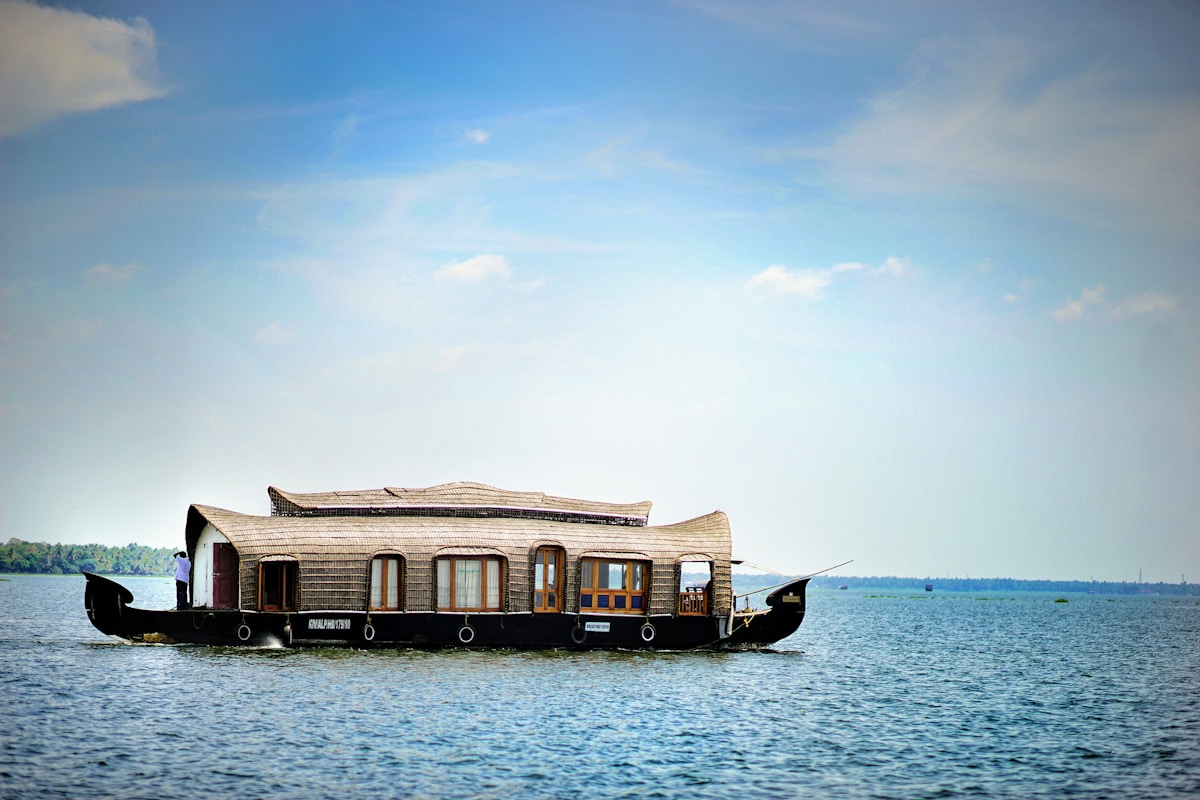
A houseboat is the widest cost range in boating, and the word hides two very different products. A cruising houseboat is a large powerboat plus a home: propulsion, a generator, fuel, and depreciation, owned smart on an inland reservoir for as little as $10,000 a year. A floating home is waterfront real estate on a float: a mortgage, property tax, a dock share, and the chance to appreciate, concentrated in a few metros where the berth alone can top $2,500 a month. The same word covers both, and the first decision you make is which one you are buying.
Key takeaways:
- Plan on $10,000–$45,000 a year to own a houseboat, with moorage as the single biggest line.
- Settle the type first: a cruising houseboat costs like a powerboat plus a home; a floating home costs like real estate.
- Secure the moorage before the boat, because liveaboard slips are capped at roughly 10–25% of a marina and metros run waitlists.
- Budget roughly 10% of value a year for upkeep; you maintain a house and a boat at once.
- Finance by type: a marine loan at 7–10% for a cruising boat, a home mortgage for a floating home classified as real property.
- Cruising houseboats depreciate 10–15% the first year; floating homes in tight metros can appreciate.
- A marine survey at $10–$30 per foot is the cheapest insurance on any used houseboat.
- Add a 20% safety margin, because the surprises on a house-and-boat are five-figure.
The buyers who are happiest with a houseboat are the ones who matched the type and the market to how they actually want to live on the water, not the ones who fell for a boat at a show and hunted for a slip afterward. If you want maximum space on a cheap reservoir and you like to tinker, a used cruising houseboat is a genuine bargain in living space per dollar. If you want a fixed metro home that can hold value, a floating home is the closest a houseboat comes to an investment, and worth the premium.
Whatever you buy, the pattern that keeps houseboat ownership affordable is the same: secure the moorage first, buy well-kept and surveyed, learn the routine work on both the house and the boat, and keep a repair fund so the inevitable generator or haul-out is an inconvenience instead of a crisis. Do that, and a houseboat is a rare thing, a home and a boat at once that does not run away from you. Skip it, and any boat becomes a hole in the water. The choice, and the budget, are yours to build.
We update this guide quarterly as marina rates, insurance trends, and fuel prices change. Bookmark this page and check back for current data. If you have questions or cost data to share from your region, reach out at [email protected].
Tight lines and smooth water.
– The Boatwork Editorial Team
Sources and References
Market Data and Pricing
- Boat Trader, houseboat class listings
- Boat Trader, Gibson houseboat listings
- Mangrove Marina, are houseboats expensive
- Mangrove Marina, do houseboats depreciate
- Yacht Trading, depreciation over 5–10 years
- Yacht Trading, trawler prices and sizes 2026
- Crow Survival, Bravada houseboat cost
- Crow Survival, houseboat slip cost
Builders and Floating Homes
- Trifecta Houseboats (Sumerset, Thoroughbred, Stardust)
- itBoat, Thoroughbred Houseboats
- Catamaran Cruisers, Aqua Lodge
- All About Houseboats, Harbor Cottage floating homes
- Rexmont, Seattle floating homes and houseboats
- Bay Area Modern, Sausalito floating homes
- Homes.com, Portland floating homes
Moorage and Marina Rates
- Marina Seeker, marina slip costs by state
- Marina Seeker, liveaboard marinas
- ManageCasa, how much does a boat slip cost
- Lake Powell, Wahweap slips and buoys
- Jones Valley, Lake Shasta moorage rates
- Silverthorn Resort, 2024 moorage fees
- Waterside Marina, Norris Lake slip rentals
- State Dock, Lake Cumberland slips and pricing
- Boat Repair Miami, cost of owning a boat in Miami 2026
Insurance
- The Ephraim Group, houseboat insurance cost and tips
- Insured Better, houseboat coverage cost
- Insuryon, liveaboard houseboat insurance
Maintenance, Systems, and Fuel
- Morning Star Marinas, true cost of boat ownership 2026
- SS Dockside Marine, marine A/C installation cost
- Power Pedestal, marina power pedestal cost
- Latest Cost, boat hull and bottom painting cost
- The Hull Truth, Onan 8kW diesel generator replacement cost
- SH Continental Marine, marine engine replacement
- All About Houseboats, average fuel consumption
- U.S. Energy Information Administration, gasoline and diesel prices
Financing and Regulatory
- AmeriSave, complete guide to houseboat loans
- Boat Trader, boat loan rates
- Team Up Seattle, floating homes vs houseboats
Rental and Charter
Owner Communities and Forums
Cited Sources (Boatwork Guides and Services)
- Trawler Cruising Powerboat Ownership Costs: The Complete Guide
- Cuddy Cabin Boat Ownership Costs: The Complete Guide
- Pontoon & Tritoon Boat Ownership Costs: The Complete Guide
- Boatwork: Marine A/C and Climate Control
- Boatwork: Hull and Bottom Cleaning
- Boatwork: Marine Handyman Services
- Boatwork: Boat Surveying and Inspection
- Boatwork: Boat Mechanics and Engine Repair
- Boatwork: Yacht Management