
Domain Verified
Top Environmental Management Pros
Find trusted boating professionals near you!

How it works

1. Describe your project
Tell us what your boat needs in just a few clicks. Engine work, detailing, electrical—whatever the job, big or small.
2. Choose your pros
Browse vetted marine professionals in your area. You pick who to contact — your info is never shared without your say-so.
3. Get estimates and book
Receive estimates only from the pros you selected. Compare pricing, ask questions, and book when you're ready — no pressure, no spam.


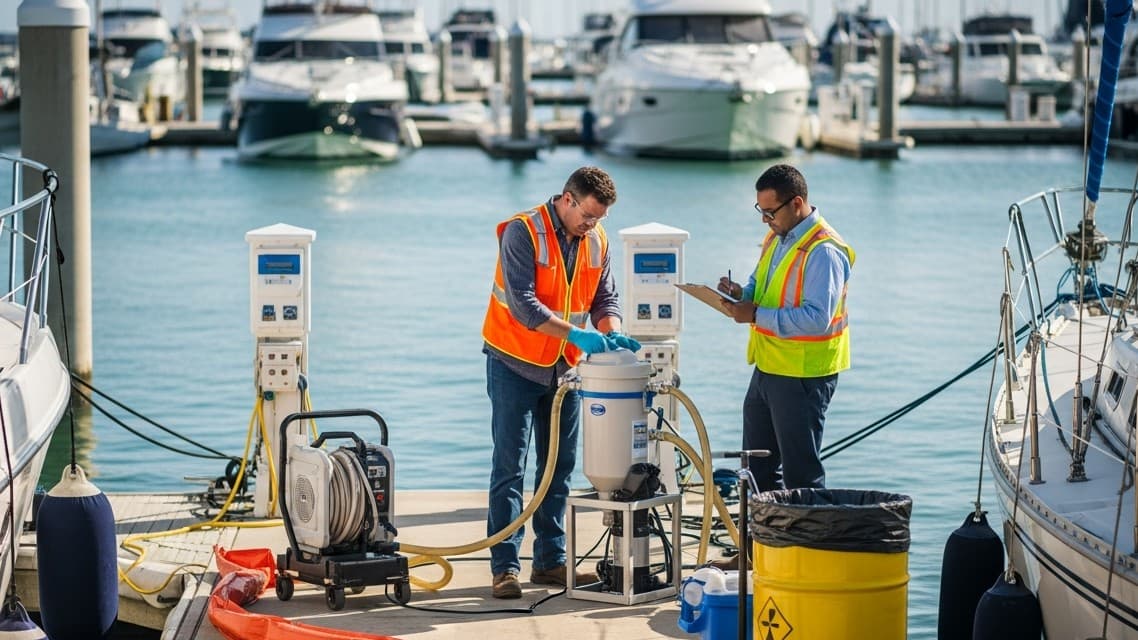
Environmental Management Services
Specific services available under environmental management
- Advanced filtration for contaminants (oils, fuels, heavy metals, microplastics)
- Bilge Water Treatment and Disposal
- Bilge water handling and treatment
- Environmental impact assessments for marina expansions or repairs
- Fuel Spill Containment and Cleanup
- Fueling station environmental upgrades and containment
- Invasive Species Decontamination Wash
- Marine Sanitation Device Inspection
- Oil Absorbent Pad Installation
- Regulatory compliance consulting (NPDES, Clean Water Act, local marina permits)
- Spill response and hazardous material management
- Stormwater management and runoff control
- Waste management systems (solid, hazardous, fish waste, recycling)
- Wastewater treatment and recycling (e.g., boat wash water filtration systems)
- Water quality monitoring and sensors
Find Environmental Management Pros by State
Find Environmental Management Pros by City
- Environmental Management in Sausalito, CA(4)
- Environmental Management in Stuart, FL(4)
- Environmental Management in Long Beach, CA(3)
- Environmental Management in Los Angeles, CA(3)
- Environmental Management in San Diego, CA(3)
- Environmental Management in San Rafael, CA(3)
- Environmental Management in Fort Lauderdale, FL(3)
- Environmental Management in Jacksonville, NC(3)
What Marine Environmental Management Services Include
Marine environmental management covers a broad range of services designed to keep your vessel compliant with federal, state, and local environmental regulations. Qualified contractors help boat owners properly handle bilge water discharge, sewage holding tank maintenance, oil and fuel spill containment, and gray water management. Services also include the inspection and installation of certified Marine Sanitation Devices (MSDs), environmentally safe antifouling solutions, and proper disposal of hazardous marine waste. Whether you operate in a designated No Discharge Zone or cruise open coastal waters, professional environmental management ensures your boat meets EPA and Coast Guard standards at all times.
Why Marine Environmental Compliance Matters for Boat Owners
Violating marine environmental regulations can result in significant fines, vessel detainment, and long-term damage to fragile aquatic ecosystems. Untreated bilge water containing oil and fuel residue, improperly discharged sewage, and toxic antifouling runoff are among the leading sources of marine pollution in US waterways. Beyond legal consequences, poor marine waste management harms the fish, coral, and wildlife that make boating enjoyable in the first place. Investing in professional marine pollution prevention protects not only the environment but also your reputation as a responsible boat owner and helps preserve access to sensitive boating areas for future generations.
Choosing the Right Marine Environmental Management Contractor
When selecting a provider for boat environmental compliance services, look for contractors with demonstrated knowledge of EPA Clean Water Act requirements, Coast Guard sanitation regulations, and your specific state's discharge laws, which can vary significantly along different US coastlines and inland waterways. A reputable contractor should be familiar with No Discharge Zone mapping, certified MSD installation, and environmentally friendly boat maintenance practices. Ask for references from other boat owners, confirm the contractor uses approved waste disposal facilities, and ensure they carry proper licensing and insurance. Platforms like Boatwork.co make it easy to find vetted marine environmental specialists in your area.
Cost Factors for Marine Environmental Management
The cost of marine environmental management services depends on the size of your vessel, the scope of compliance work needed, and your geographic location. A basic bilge water treatment inspection and pump-out may run a few hundred dollars, while full MSD installation, holding tank retrofitting, or comprehensive marine environmental compliance audits for larger vessels can reach several thousand dollars. Ongoing service contracts for regular waste removal and compliance checks offer cost-effective options for frequent boaters. Factoring in potential fines for non-compliance — which can exceed $25,000 per violation under federal law — professional environmental management is a smart, cost-saving investment for any boat owner.
Typical Cost$300 - $15,000
Typical Duration1-3 days
Benefits of Professional Environmental Management
- Stay compliant with EPA and Coast Guard environmental regulations
- Prevent costly fines from illegal discharge violations
- Protect local waterways, marine life, and ecosystems
- Ensure safe bilge water and sewage disposal every time
- Maintain access to No Discharge Zones and protected waters
- Reduce environmental liability with certified waste management
- Extend vessel life with eco-friendly antifouling solutions
- Connect with vetted marine environmental contractors near you
Frequently Asked Questions
Federal law prohibits the discharge of untreated sewage from boats in US waters, and many states have additional No Discharge Zones (NDZs) where even treated sewage cannot be released. All vessels with installed toilets must have a Coast Guard-approved Marine Sanitation Device (MSD). When in NDZs or inland waters, you must use a holding tank and pump out at a certified pumpout station.
An oil water separator (OWS) removes oil and hydrocarbons from bilge water before it is discharged overboard, helping vessels comply with MARPOL and EPA regulations. Commercial vessels over 400 gross tons are federally required to have one, but recreational boaters are strongly encouraged to use bilge absorbent pads and OWS systems to prevent illegal discharge. Installing one on a large recreational vessel is a best practice for environmental compliance.
Immediately stop fueling, ventilate the area, and use absorbent pads or booms to contain the spill — never hose it into the water. Under federal law, any fuel spill that creates a visible sheen on the water must be reported to the National Response Center at 1-800-424-8802. Failure to report can result in significant fines, and you may be held liable for cleanup costs.
Marine batteries contain lead and sulfuric acid and must be treated as hazardous waste — they cannot be thrown in regular trash. Most battery retailers, marinas, and auto parts stores will accept old marine batteries for recycling at no charge under state take-back programs. Always wear gloves and eye protection when handling old batteries and store them upright to prevent acid leaks during transport.
No Discharge Zones (NDZs) are federally designated bodies of water where the discharge of any boat sewage — treated or untreated — is prohibited to protect sensitive ecosystems and water quality. You can find current NDZ boundaries using NOAA's Office of Coast Survey charts or the EPA's vessel sewage regulations webpage. Violating NDZ rules can result in fines up to $2,000 per day under the Clean Water Act.
The most effective prevention is to clean, drain, and dry your boat, motor, trailer, and all gear before moving to a new body of water. Remove all visible aquatic plants, animals, and mud from every surface and drain all water from bilges, livewells, and ballast tanks. Many states require boaters to complete inspections or decontamination procedures at waterway entry points to stop the spread of species like zebra mussels and hydrilla.
Boat maintenance activities like bottom painting and sandblasting are heavily regulated because paint chips, dust, and chemical runoff can contaminate surrounding water and soil. The EPA and many state agencies require containment tarps, vacuum systems, and proper disposal of all debris and wastewater generated during these tasks. Working with a certified marine contractor ensures your project complies with local stormwater permits and environmental protection standards.


