Pontoon boat inspection in Miami, FL
Found 13 verified pontoon boat inspection professionals in Miami
Top pontoon boat inspection pros in Miami
Ordered by rating and review volume.

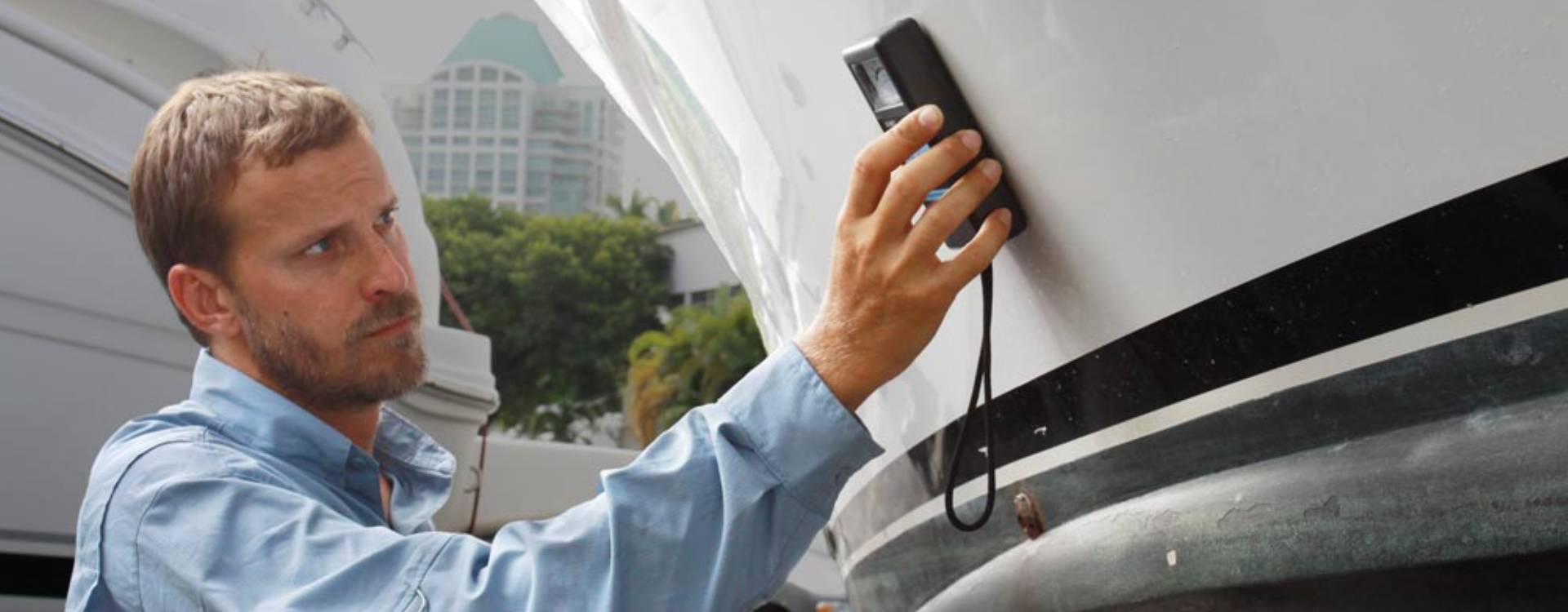
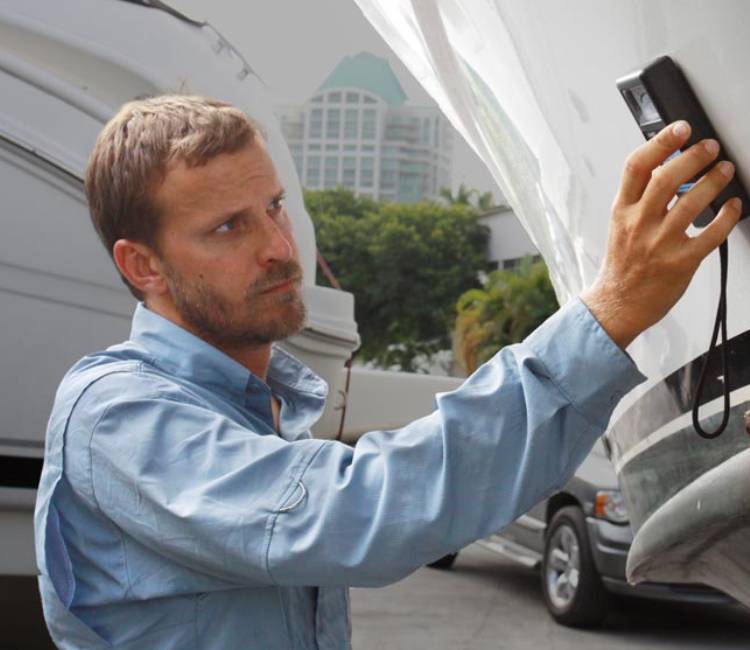
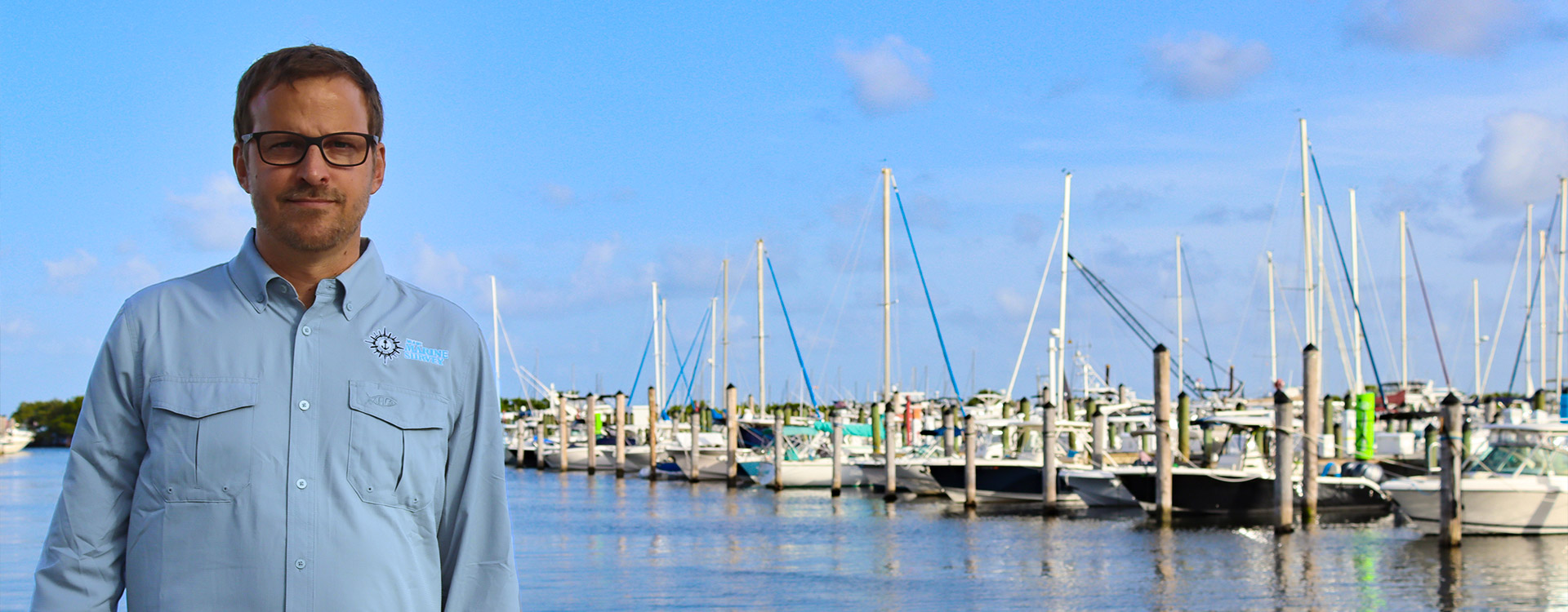
Recent pontoon boat inspection work in Miami
Real project photos from local pros — tap through to their profile.



What Miami owners say
From verified pontoon boat inspection jobs in the area.
“It took me a while to find a reliable company that actually answers the phone, but I'm so glad I found these guys! They gave us a quote of $5 per foot, and by the very next day, our boat's hull was completely clean. The convenience of payin”
— Richard S. · Miami Marine Hull Cleaning
What pontoon boat inspection costs in Miami
Pontoon boat inspection in Miami: what owners should know
Pontoon boats are a fixture on Miami's Biscayne Bay and the Intracoastal Waterway, but their flat-deck, multi-tube design demands an inspection approach that differs significantly from conventional V-hull surveys. A pontoon boat inspection focuses on the aluminum or composite tubes for corrosion, denting, and weld integrity; the deck framing and flooring for rot or delamination; the transom and motor mount; and all onboard electrical and safety equipment. Miami's warm saltwater environment accelerates galvanic corrosion on aluminum pontoons, making periodic inspections especially important for anyone buying, selling, refinancing, or insuring a boat here. With 13 verified Boat Surveying & Inspection pros active in the Miami area and an average rating of 4.6 out of 5, qualified inspectors are ready to schedule. Pricing typically starts around $0 for initial estimates. Request a free estimate today to get matched with a local pontoon inspection pro.
Why Pontoon Boat Inspection Differs from General Marine Surveys
A standard pre-purchase marine survey covers hull integrity, machinery, and safety systems across a wide range of vessel types. A pontoon boat inspection zeroes in on design-specific failure points that a generalist checklist can easily underweight or miss entirely.
What the Inspection Actually Covers
The core of any pontoon inspection is the log (tube) assessment. Inspectors check each aluminum or fiberglass pontoon for pitting corrosion, weld cracks, dents that compromise buoyancy, and any prior repairs that may have been poorly executed. They also examine the cross-members and deck stringers — the framework that holds the deck to the tubes — because rot or metal fatigue here is a common and costly finding. The deck surface itself (typically marine-grade plywood or composite) is probed for soft spots caused by water intrusion around fittings, railings, and furniture mounts.
Beyond structure, a thorough inspection covers the outboard or sterndrive transom mount, bilge drainage, live-well or livewell plumbing, upholstery condition, and all required USCG safety equipment.
Miami-Specific Factors That Shape the Inspection
Miami's year-round saltwater boating season means pontoon tubes accumulate exposure that inland freshwater boats simply don't see. Inspectors in this market pay particular attention to galvanic and crevice corrosion at hardware attachment points — cleats, rails, bimini feet — because stainless fasteners in aluminum structures can accelerate pitting in brackish or saltwater conditions. The high UV index also degrades vinyl upholstery, deck coatings, and wiring insulation faster than in northern climates, so electrical inspection is weighted more heavily here.
What Drives the Price Up or Down
- Boat length and number of tubes: A standard three-tube pontoon takes longer to inspect than a two-tube model; triple-tube performance pontoons add more surface area and complexity. - Engine configuration: Twin-engine setups or high-horsepower performance rigs require more time on the transom and fuel system. - Trailer inspection add-on: Many owners request the trailer evaluated at the same time, which adds scope and cost. - Accessibility: Boats already in the water require a haul-out or diver to assess tube undersides — a Miami-common scenario that affects scheduling and price.
How Long It Takes
Most pontoon boat inspections in Miami run two to four hours on-site, depending on size and condition. A written report with photos typically follows within 24 to 48 hours. If a haul-out is needed, the inspection window expands to accommodate yard scheduling.
Questions to Ask Your Inspector Before Booking
- Do you have specific experience with aluminum pontoon tubes and weld inspection? - Will the report meet lender or insurance underwriter requirements if I need financing? - Can you assess the trailer, or is that a separate contractor? - What is your process if the boat is currently in the water at a Miami marina slip?
Getting clear answers to these questions upfront prevents surprises and ensures the report you receive is actually usable for your purchase, sale, or insurance application.
Frequently asked questions
What does a pontoon boat inspection in Miami typically cost, and what affects the price?
Pricing varies based on boat length, the number of pontoon tubes, whether a haul-out is required to access tube undersides, and whether the trailer is included in the scope. Miami's saltwater environment often means inspectors spend additional time on corrosion assessment, which can influence the final quote. Requesting a free estimate through Boatwork is the fastest way to get a price specific to your boat and its current location.
What is actually inspected on a pontoon boat that wouldn't be covered in a standard hull survey?
The inspection prioritizes the aluminum or composite pontoon tubes — checking welds, looking for pitting corrosion, and identifying dents that reduce buoyancy — along with the cross-member framework connecting the tubes to the deck. Deck substrate integrity, hardware attachment points prone to galvanic corrosion in saltwater, and the transom motor mount are also focal areas unique to this vessel type. A general survey template designed for monohull fiberglass boats does not address these components with the same depth.
How long does a pontoon boat inspection take, and when will the written report be ready?
On-site inspections typically take two to four hours for a standard pontoon in accessible condition; larger or twin-engine boats or those requiring a haul-out to view tube undersides take longer. Most inspectors in the Miami area deliver a written report with photographs within one to two business days after the on-site visit.
Do I need a pontoon-specific inspection, or can any marine surveyor handle it?
While any licensed marine surveyor can perform a pontoon inspection, it is worth confirming that the professional has hands-on experience with aluminum tube assessment and weld evaluation, since these are the most critical — and most commonly overlooked — failure points on this vessel type. In Miami, where saltwater corrosion accelerates tube deterioration, that experience matters even more. Use Boatwork to request a free estimate and compare verified local pros who specifically handle pontoon inspections.
Pontoon boat inspection in other cities
Need pontoon boat inspection in Miami?
Get matched with a vetted local pro — no cost to request.
Request an Estimate →

