Outboard engine maintenance in Tampa, FL
Found 23 verified outboard engine maintenance professionals in Tampa
Top outboard engine maintenance pros in Tampa
Ordered by rating and review volume.


Recent outboard engine maintenance work in Tampa
Real project photos from local pros — tap through to their profile.
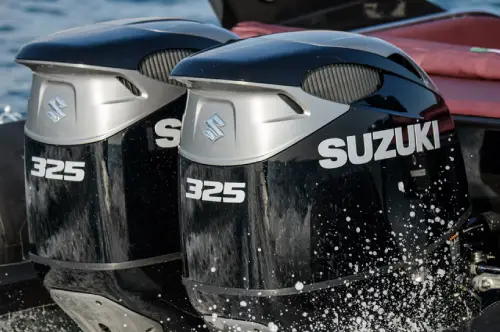 Nautical Marine #1 Outboard Repower & Service Center of Tampa Bay
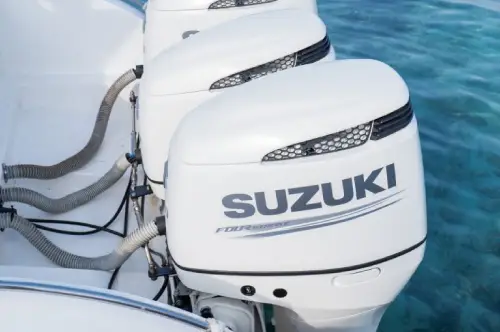 Nautical Marine #1 Outboard Repower & Service Center of Tampa Bay
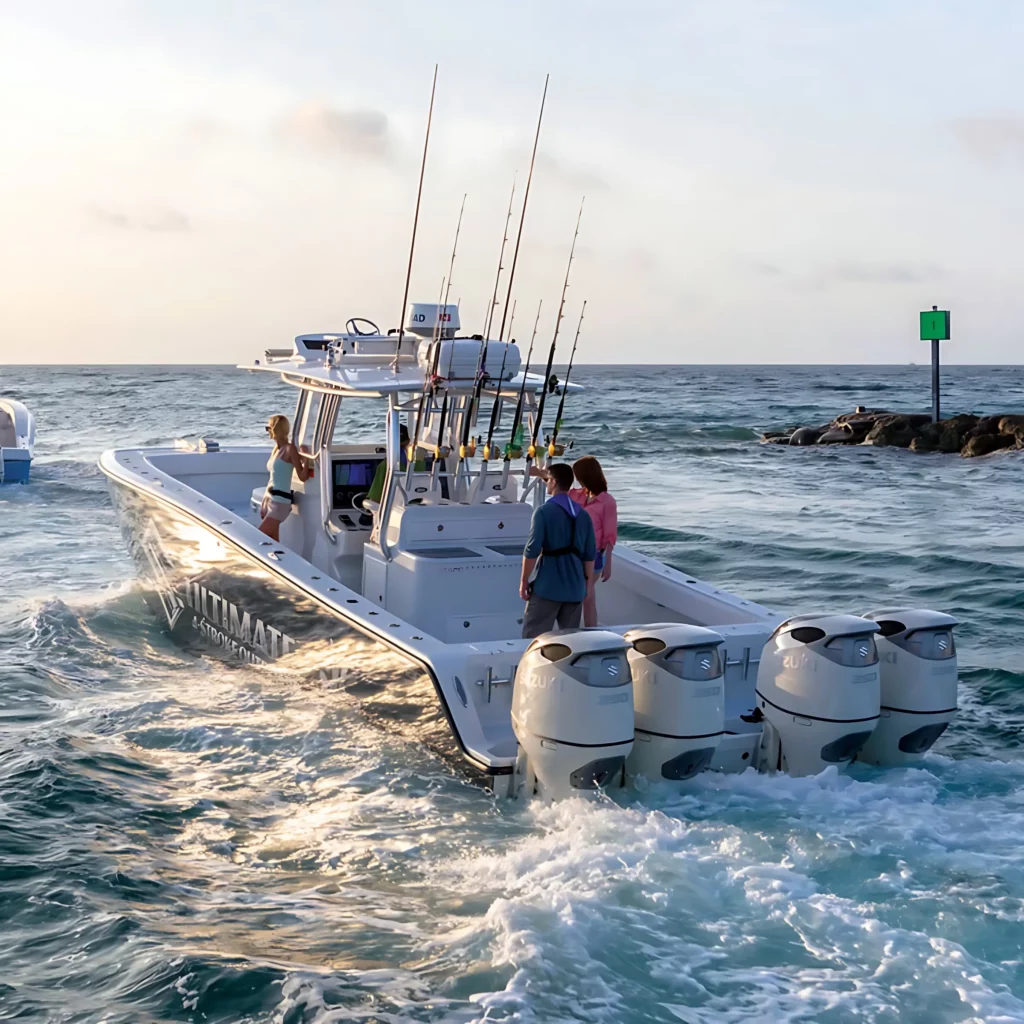 Nautical Marine #1 Outboard Repower & Service Center of Tampa Bay
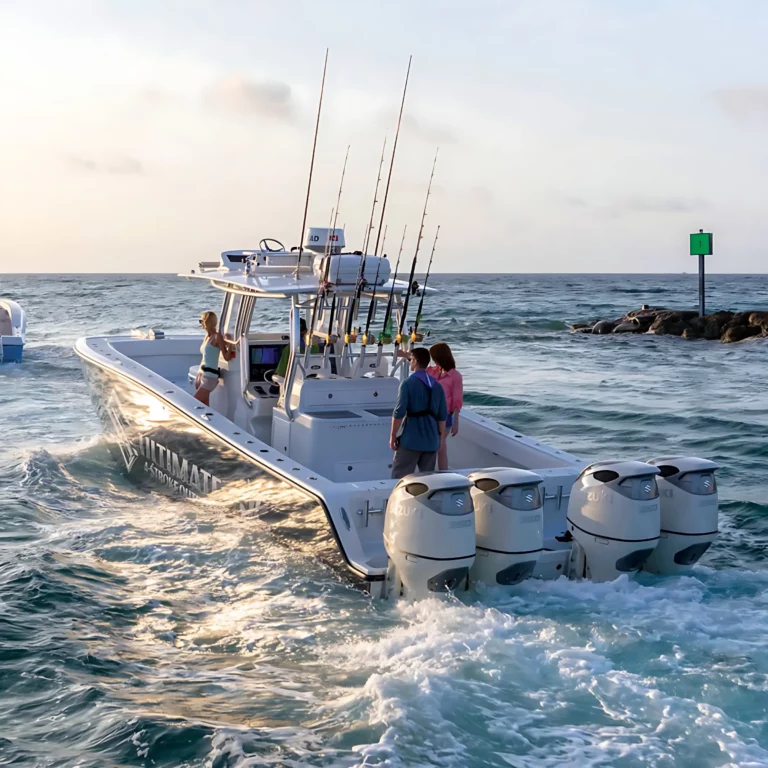 Nautical Marine #1 Outboard Repower & Service Center of Tampa Bay
 Repair Boat Services
 Repair Boat Services
 Repair Boat Services
 Repair Boat Services
What outboard engine maintenance costs in Tampa
Outboard engine maintenance in Tampa: what owners should know
Outboard engine maintenance in Tampa means more than a quick oil change — it's a system-level service that keeps two-stroke and four-stroke outboards running reliably in one of Florida's most demanding boating environments. Tampa Bay's warm, brackish water accelerates corrosion on fuel components, cooling passages, and anodes, while the year-round boating season means engines rarely get the extended rest that might mask early problems elsewhere. A full service typically covers spark plugs, fuel filters, gear lube, impeller inspection, throttle and shift linkage, and a flush of the cooling system. Starting around $195, the final cost depends on engine size, hours logged, and what the inspection turns up. With 23 verified marine mechanics in Tampa averaging a 4.8-star rating on Boatwork, it's easy to get a precise, no-obligation estimate for your outboard before booking.
Why Outboard Engine Maintenance Is Its Own Distinct Service
Outboard maintenance is not the same job as diagnosing a mysterious stall or rebuilding a sterndrive. It follows a defined checklist tied to manufacturer hour intervals — commonly every 100 hours or annually — and its scope is tightly bounded to the outboard unit itself: powerhead, midsection, and lower unit. That focus is what separates it from general engine repair, where the scope, time, and cost are open-ended.
What the Job Actually Covers
A standard outboard maintenance visit in Tampa typically includes:
- Spark plug replacement — fouled plugs are common in engines used frequently in stop-and-go bay fishing patterns - Fuel filter and water separator service — critical given Florida's ethanol-blended fuel and the humidity that promotes phase separation - Lower unit gear lube change — inspecting the drained fluid for metal shavings or milky contamination that signals seal failure - Water pump impeller inspection or replacement — impellers are often swapped on a calendar schedule here because overheating in Tampa's warm water is unforgiving - Anodes check — Tampa Bay's brackish salinity eats sacrificial zinc anodes faster than fresh water would - Throttle, choke, and shift linkage lubrication - Visual inspection of wiring, hose clamps, and cowl seals
What Moves the Price Up or Down from $195
The $195 starting point applies to a smaller single-cylinder or modest four-stroke outboard with no deferred issues found. Several factors push that number higher:
- Engine displacement and cylinder count — a 250 hp four-stroke takes more plugs, more gear lube, and more labor time than a 60 hp unit - Impeller replacement vs. inspection only — labor to pull the lower unit adds time; some pros include the part, others quote it separately - Hours since last service — engines that have run past their service interval often need additional cleaning of throttle bodies or carburetors - Corrosion repairs discovered during inspection — a common finding on engines stored without flushing after Tampa Bay use
How Long It Takes
Most outboard maintenance appointments run two to four hours at a marina or boatyard. Mobile mechanics — common in the Tampa area — can perform the same service dockside or at a home lift, which eliminates trailering time and often makes scheduling faster.
Tampa-Specific Factors Worth Discussing With Your Pro
Because Tampa Bay is a brackish estuary rather than open saltwater or a freshwater lake, corrosion patterns on outboards here are specific. Ask any prospective mechanic whether their service includes a post-flush corrosion inhibitor spray on internal cooling passages — standard in saltwater markets but sometimes skipped in ambiguous brackish-water areas. Also confirm whether their quote covers anode replacement parts or inspection only; on engines used weekly in the bay, anodes may need swapping at every annual service.
Frequently asked questions
What is included in a standard outboard engine maintenance service in Tampa?
A standard service covers spark plugs, fuel and water separator filters, lower unit gear lube, water pump impeller inspection or replacement, anode check, and lubrication of throttle and shift linkage. In Tampa's brackish-water environment, a cooling system flush and corrosion inhibitor application are also worth confirming with your pro before the appointment. The exact checklist can vary slightly between mechanics, so asking for a written scope upfront avoids surprises.
Why does outboard maintenance cost more than the $195 starting price sometimes?
The $195 baseline fits a smaller, well-maintained outboard with no deferred service needs. Larger high-horsepower engines require more parts — more spark plugs, more gear lube — and more labor time, which raises the total. If the mechanic finds a worn impeller that needs replacing, corroded fuel components, or a lower unit seal leaking water into the gear lube, those repairs are quoted separately from the base maintenance fee.
How often should an outboard engine be serviced in Tampa's boating conditions?
Most manufacturers specify service every 100 hours of operation or once a year, whichever comes first. Tampa Bay's year-round boating season means many local boat owners hit 100 hours before the calendar year is up, so tracking engine hours is more useful than relying on a seasonal reminder. Engines used regularly in brackish water may also benefit from more frequent anode checks between full service intervals.
How do I know if I'm getting an accurate quote for outboard maintenance before committing?
The most reliable approach is to provide the mechanic with the engine brand, horsepower, model year, and current hour reading when requesting a quote — this lets them price parts accurately rather than estimating. Boatwork makes it straightforward to share those details with multiple verified Tampa-area marine mechanics and receive itemized estimates at no cost, so comparing scope and price before booking takes only a few minutes.
Explore
Outboard engine maintenance in other cities
Need outboard engine maintenance in Tampa?
Get matched with a vetted local pro — no cost to request.
Request an Estimate →

