Boat electrical and mechanical overhaul management in Jupiter, FL
Found 5 verified boat electrical and mechanical overhaul management professionals in Jupiter
Top boat electrical and mechanical overhaul management pros in Jupiter
Ordered by rating and review volume.




Recent boat electrical and mechanical overhaul management work in Jupiter
Real project photos from local pros — tap through to their storefront.


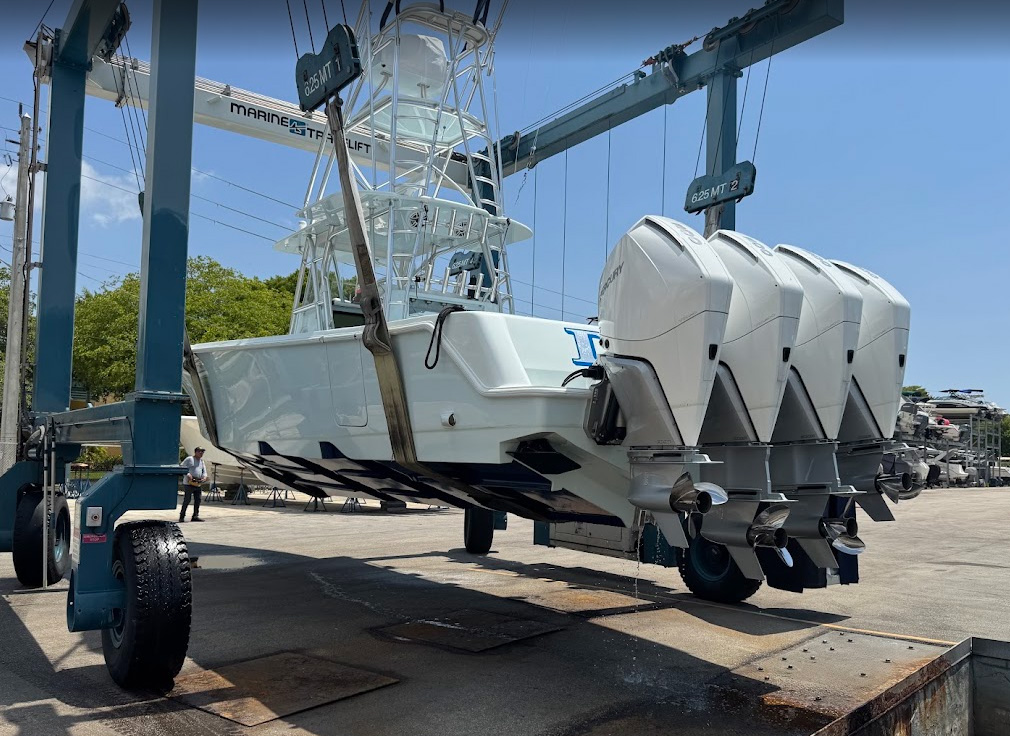


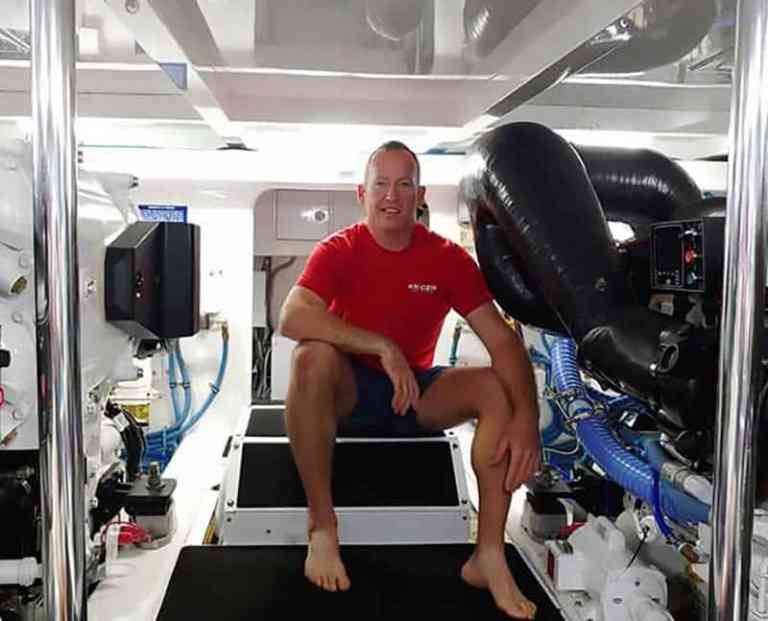


Typical job length: 2 weeks - 12 months
Boat electrical and mechanical overhaul management in Jupiter: what owners should know
Boat electrical and mechanical overhaul management in Jupiter means putting one coordinator in charge of a boat's rewiring, engine, and systems work so the trades are sequenced properly and nothing gets missed. It suits owners of boats that are used hard and kept in warm, humid, salt-heavy conditions, where corroded connections, tired engines, aging charging systems, and outdated panels tend to show up together. Boats running out through Jupiter Inlet to the Atlantic, or kept on the Intracoastal and nearby waterways, get steady exposure to salt air and moisture, which is hard on both wiring and machinery. Instead of hiring a separate electrician, engine mechanic, and rigger and managing them yourself, a project manager handles scoping, parts, scheduling, and commissioning. Five verified Marine Project Management pros in Jupiter handle this kind of work, with an average rating of 4.7 out of 5. Request a free Boatwork estimate to compare scopes and timelines.
Why Boat electrical and mechanical overhaul management differs
Most project management is about coordinating a list of separate tasks. An electrical and mechanical overhaul is different because the two systems depend on each other. A new engine affects the alternator output, the gauges, the harness, the battery bank, and the bilge and cooling systems around it. Someone has to manage those dependencies, or the work gets done twice.
Scope: two systems, one sequence
On the electrical side, scope can include panels, wiring runs, battery banks, chargers, inverters, shore power, bonding, and electronics integration. On the mechanical side, it can include engines or drives, shafts, steering, fuel and cooling systems, exhaust, and pumps. The manager decides what is surveyed first, what is removed, what gets rewired while access is open, and when everything is recommissioned and sea-trialed. Getting this order right is the main value of the role.
What drives the price up or down
- Boat size and engine count: Larger boats and twin or triple installations mean more wiring, more components, and more labor. - Condition once opened up: Hidden corrosion, failed wiring, or worn mounts often expand the scope after work starts. - Repair versus replace: Rebuilding existing equipment and installing new equipment have very different cost profiles. - Materials and components: Wire quality, marine-grade fittings, and brand choices all matter. - Access: Tight engine spaces can mean extra labor just to reach and remove equipment. - Number of trades involved: More specialists means more coordination time.
Timeline
A narrow job, such as a charging system and panel update, can move quickly. A full overhaul can run from weeks to several months. Parts lead times, haul-out availability, and how well the trades are sequenced usually matter more than the labor hours themselves.
Jupiter factors
Warm, humid conditions and constant salt exposure speed up corrosion at terminals, connectors, and engine-room hardware. That makes the survey stage especially important for boats that see regular saltwater use. Hurricane season, running June through November, is also worth planning around. A boat that is partly disassembled is harder to secure or move, so schedules should account for storm-season contingencies.
What to ask a pro
- How will the survey phase define scope before work begins? - How are unexpected findings handled and approved? - Who sources and warranties parts? - Is one point of contact responsible for all trades? - What testing and sea-trial steps close out the project?
With five verified pros in Jupiter averaging 4.7 out of 5, comparing a few written scopes through Boatwork is a practical way to see how different managers would approach the same boat.
Frequently asked questions
What does boat electrical and mechanical overhaul management include?
It typically covers surveying the boat, defining scope, sourcing parts, scheduling the electrical and mechanical trades, and overseeing testing and sea trials. The manager's role is to keep the systems work coordinated so the engine, wiring, and controls all work together at the end.
What affects the cost of an overhaul project in Jupiter?
The biggest factors are boat size, engine count, the condition found once systems are opened up, repair-versus-replace decisions, material choices, and how hard the work areas are to access. Salt-related corrosion can widen the scope, so a thorough upfront survey helps.
How long does an electrical and mechanical overhaul usually take?
A limited scope can be finished fairly quickly, while a full overhaul may take from weeks to several months. Parts lead times, haul-out scheduling, and hurricane-season planning are common timing factors in Jupiter.
How do I compare project managers for this work?
Ask each one for a written scope, how they handle surprise findings, and who is responsible for all trades. Request a free Boatwork estimate to compare approaches from verified Jupiter pros side by side.
Explore
Boat electrical and mechanical overhaul management in other cities
- Boat electrical and mechanical overhaul management in West Palm Beach, FL
- Boat electrical and mechanical overhaul management in Miami, FL
- Boat electrical and mechanical overhaul management in Fort Lauderdale, FL
- Boat electrical and mechanical overhaul management in Fort Pierce, FL
- Boat electrical and mechanical overhaul management in Jacksonville, FL
Need boat electrical and mechanical overhaul management in Jupiter?
Get matched with a vetted local pro — no cost to request.
Request an Estimate →

