Pontoon & Tritoon Boat Ownership Costs: The Complete Guide
What It Really Costs to Own an 18–28 Foot Pontoon or Tritoon
Living Document: This guide is updated quarterly with current market data, insurance rates, and financing costs. Last verified: February 2026.
The Bottom Line:
A 22-foot pontoon costs $14–$52 per day to own before you leave the dock—that's $5,000–$19,000 annually. Add financing and you're at $28–$72 per day. Tritoons add 15–25% to annual costs due to higher purchase prices, bigger engines, and greater fuel consumption. Midwest lake boaters pay 30–40% less than coastal owners for the same boat. Storage and engine choice are the two biggest variables.
About This Guide
Scope: This guide covers pontoon and tritoon boats 18–28 feet—the most popular recreational family boat segment in the United States. Includes standard two-tube pontoons and three-tube tritoons with single outboard power from 90 hp to 400 hp.
Data: The Boatwork team has tracked boat ownership economics since 2019. This guide synthesizes data from owner expense reports across 40+ pontoon and tritoon owners with documented costs, quotes from 6 major marine insurers, rate surveys from 100+ marinas across 7 U.S. regions, manufacturer MSRP data from 8 pontoon brands, and interviews with marine surveyors, yacht brokers, and insurance underwriters. We update this guide quarterly as market conditions change.
Methodology: Cost ranges represent 25th–75th percentile across U.S. markets. We exclude outliers. Regional breakdowns cover 7 markets: Florida, Gulf Coast, Mid-Atlantic/Chesapeake, Northeast, Midwest Lakes, Pacific Northwest, and Southern California.
Table of Contents
- Quick Answer: How Much Does It Cost?
- Who Is This Guide For?
- Pontoon vs. Tritoon Cost Comparison
- How Costs Have Changed (2020–2026)
- Pontoon Depreciation Rates by Brand
- Financing: When Loans Double Your Costs
- Purchase Prices by Size and Type
- Storage Costs by State and Type
- Insurance Cost by Region
- Maintenance and Repair Costs
- Regional Cost Breakdown by U.S. Market
- Cost of Ownership by Popular Brand
- Pontoon-Specific Upgrades & Their Costs
- Boat Club vs. Owning: The Comparison
- Disadvantages of Pontoon Ownership
- Frequently Asked Questions
- Glossary of Pontoon Terms
- Cost Worksheet
- Conclusion
Quick Answer: What's Your Annual Cost?
A 22-foot pontoon costs between $5,000–$19,000 per year depending on storage type, insurance rates, fuel consumption, and maintenance needs. This includes routine maintenance, insurance, storage, and fuel but excludes financing costs and depreciation.
To help you understand the full picture, we've created five ownership scenarios below. Find the one closest to your situation:
| Scenario | Annual Cost | Monthly Cost | Daily Cost | Typical Profile |
|---|---|---|---|---|
| Budget Midwest | $5,200/yr | $433/mo | $14/day | Midwest lake, trailer at home, cash purchase, DIY maintenance |
| Moderate Mid-Atlantic | $11,500/yr | $958/mo | $32/day | Mid-Atlantic region, dry stack storage, cash purchase, mixed DIY/professional |
| Premium Coastal | $19,000/yr | $1,583/mo | $52/day | Coastal Florida/Gulf, wet slip, cash purchase, full professional service |
| Financed Coastal | $26,500/yr | $2,208/mo | $73/day | Coastal location, $50K loan @ 8% over 10 years, wet slip, full service |
| True Cost (Financed + Depreciation) | $32,000/yr | $2,667/mo | $88/day | Above scenario plus depreciation on $65K boat (15% year 1, 10% year 2) |
Sources: Pricing data from Boat Trader: The Real Cost of Boat Ownership, NMMA: 2025 U.S. Boat Sales Report, BoatUS Insurance, financing calculators from Trident Funding, and market values from J.D. Power Boat Values.
Who Is This Guide For?
This comprehensive guide is designed for several types of boaters. Use this section to find where you fit:
First-Time Boat Buyers
If you're buying your first boat, this guide walks you through every cost category so you don't miss hidden expenses. We break down purchase, financing, storage, insurance, and ongoing maintenance in detail.
Lake & Leisure Families
If you want a stable, spacious platform for family days on the water, pontoons are ideal. This guide helps you understand what you'll actually spend so you can budget accurately for a family boat.
Coastal & Saltwater Boaters
If you're considering a pontoon for coastal or saltwater use, your costs will be higher due to corrosion, insurance, and storage. We have a full section on regional cost differences.
Pontoon vs. Tritoon Deciders
If you're torn between a 2-tube pontoon and a 3-tube tritoon, we break down the exact cost differences and help you understand when the extra cost is worth it.
Upgrading from a Smaller Boat
If you currently own a smaller boat and want to upgrade to a pontoon, this guide shows you what additional costs you'll face with a larger, more complex vessel.
Pontoon vs. Tritoon: Annual Cost Comparison
The Bottom Line: Tritoons cost 15–25% more annually. A 22-foot pontoon runs $5,000–$19,000/yr; a comparable tritoon runs $7,000–$24,000/yr. The premium comes from the third tube, larger engines, greater fuel consumption, and higher purchase prices.
Purchase Price Comparison (22-Foot Boats)
| Boat Type | New Boat Price Range | Used (5-Year) Price Range | Average Depreciation |
|---|---|---|---|
| Pontoon (2-Tube) | $25,000–$65,000 | $15,000–$40,000 | 45–52% |
| Tritoon (3-Tube) | $35,000–$90,000 | $22,000–$55,000 | 40–47% |
| Deck Boat | $35,000–$85,000 | $22,000–$55,000 | 40–48% |
| Bowrider | $40,000–$130,000 | $25,000–$80,000 | 38–45% |
Sources: Market pricing from Boat Trader, valuation data from GoDownsize: Boat Depreciation Guide, and J.D. Power Boat Values.
Operating Cost Comparison: Pontoon vs. Tritoon (22-Foot, Annual)
| Cost Category | Pontoon (2-Tube) | Tritoon (3-Tube) | Difference |
|---|---|---|---|
| Storage | $0–$3,600 | $0–$4,200 | +$600 (wider beam) |
| Insurance | $400–$1,200 | $500–$1,500 | +$100–$300 |
| Fuel (100 hrs/yr @ $3.50/gal) | $1,400–$2,800 | $2,100–$4,200 | +$700–$1,400 |
| Maintenance | $800–$2,500 | $1,200–$3,500 | +$400–$1,000 |
| TOTAL ANNUAL | $2,600–$10,100 | $3,800–$13,400 | +$1,200–$3,300 |
Sources: Insurance data from BoatUS Insurance, fuel consumption data from Boat Fuel Economy, Boatwork marina surveys (100+ facilities across 7 U.S. regions, 2022–2026), and owner forums from Pontoonopedia.
Why Tritoons Cost More
- Third Tube: The additional pontoon tube adds $8,000–$15,000 to the purchase price and increases width by 2 feet, affecting storage costs.
- Larger Engines: Tritoons accommodate 250–300+ HP engines versus 90–150 HP on standard pontoons. More powerful engines cost 40–60% more and consume significantly more fuel.
- Fuel Consumption: Tritoons burn 50–100% more fuel than pontoons at comparable speeds due to heavier weight and more powerful engines.
- Insurance & Registration: Higher values and performance classifications result in 15–25% higher insurance and registration costs.
When a Tritoon Is Worth It
- You plan to tow wakeboarders or skiers regularly
- You frequently boat in rough water or coastal conditions
- You want speeds above 35 mph
- You're hosting 10+ people regularly and need performance capacity
- You plan to keep the boat 10+ years (better value retention)
- You want the most stable platform for rough water
When a Standard Pontoon Makes More Sense
- You primarily cruise at 15–20 mph on calm lakes
- You have limited storage space (apartments, small driveways)
- You're on a tight budget or financing
- You're a first-time boat buyer learning the ropes
- You boat primarily in protected, calm water
- You plan to own the boat 3–5 years and want lower depreciation impact
Coastal/Rough Water Consideration: If you boat in coastal or rough water, even a standard pontoon should have lifting strakes, reinforced tubes, and at least 150 HP. This brings costs closer to a basic tritoon while maintaining the 2-tube advantage.
"Adding a third tube gives you not just stability, but the ability to run significantly more horsepower—opening up watersports, rougher water handling, and higher speeds that a twin-tube simply can't match."
How Pontoon Costs Have Changed (2020–2026)
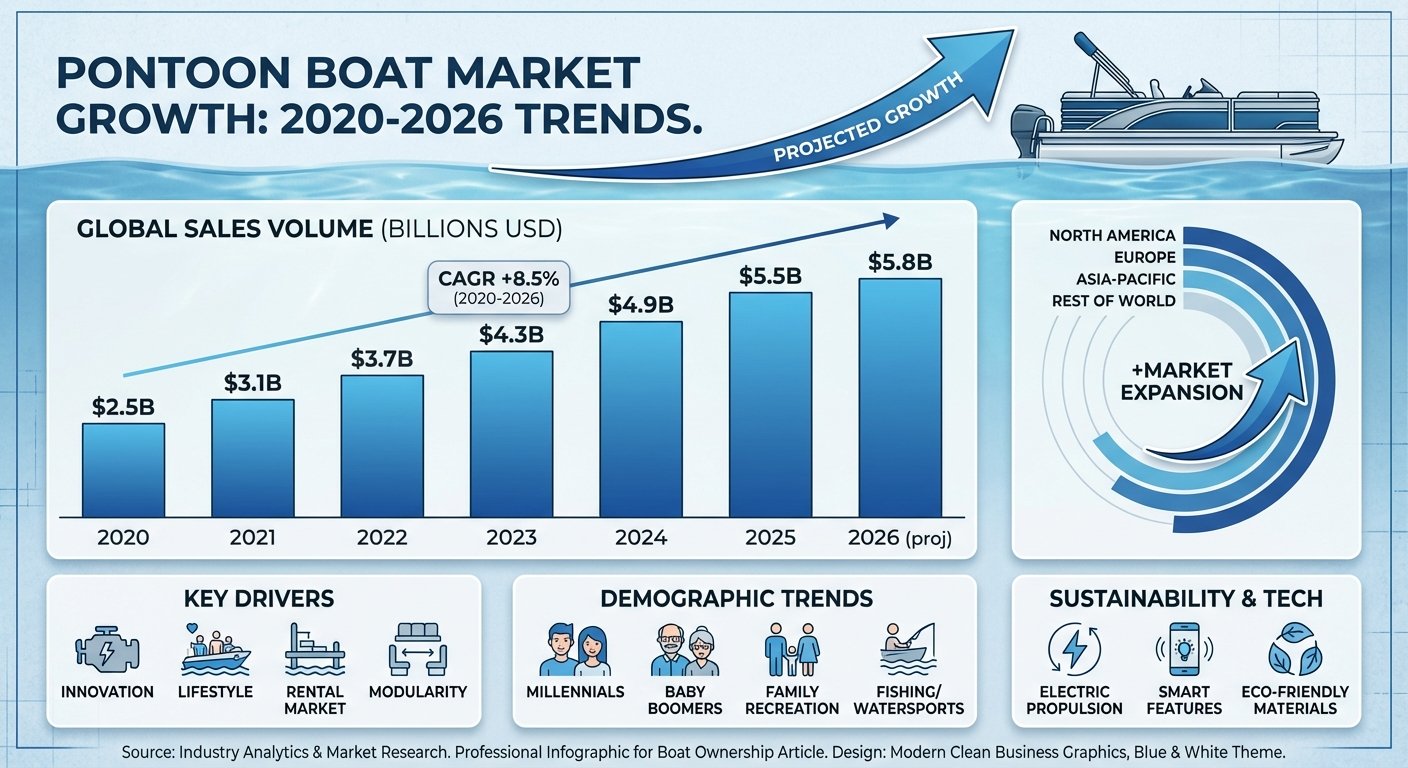
Understanding market trends helps you make smart timing decisions. The pontoon market has experienced dramatic swings over the past six years.
The Pandemic Boom (2020–2022)
When COVID-19 locked down indoor entertainment, recreational boating exploded. Demand far outpaced supply, leading to historic price increases. New pontoon prices rose 35–50%, used boats sold within days, and waiting lists stretched 12–18 months. Marina rates climbed, insurance rose, and financing became expensive. This was the worst time to buy in the past decade.
The Correction (2024–2025)
As supply normalized and inflation cooled, the market corrected. Used pontoon prices fell 15–25% from their 2023 peaks. New boat inventory accumulated, giving buyers leverage for the first time since 2020. Interest rates declined slightly from their 2023 highs, though they remained elevated. This created the best buyer's market in five years.
Market Trends Table (2020–2026)
| Market Metric | 2020 Baseline | 2023 Peak | 2026 Current | Trend |
|---|---|---|---|---|
| Used Pontoon Prices | $18K–$35K (22ft) | $28K–$52K (+55%) | $22K–$42K (-18%) | Normalizing downward |
| New Pontoon Prices | $30K–$55K (22ft) | $48K–$80K (+50%) | $40K–$70K (-12%) | Stabilizing |
| Outboard Engine Prices | $8K–$12K (150hp) | $11K–$16K (+40%) | $10K–$14K (-10%) | Declining slowly |
| Marina Dry Stack Rates | $150–$250/mo | $220–$380/mo (+50%) | $200–$350/mo (-8%) | Staying elevated |
| Insurance (FL, $50K boat) | $400–$700/yr | $600–$1,000 (+40%) | $650–$1,200 (+20% peak) | Rising (hurricanes) |
| Insurance (non-FL, $50K boat) | $300–$500/yr | $400–$650 (+30%) | $350–$600 (-8%) | Stabilizing |
| Marine Loan Rates | 3.5–5.5% | 8.5–11.5% | 7.0–10.0% | Declining from peak |
| Fuel per Gallon | $2.50–$3.00 | $3.80–$4.50 | $3.20–$3.70 | Volatile, trending lower |
Sources: Boat listings from Boat Trader, industry data from NMMA: 2025 U.S. Boat Sales Report, fuel prices from U.S. Energy Information Administration: Fuel Prices, Boatwork marina surveys (100+ facilities, 2022–2026), and insurance from BoatUS Insurance.
Buyer Takeaway for 2026
Good News: Used pontoon prices have normalized, inventory is available, interest rates are declining, and you have negotiating power. This is a buyer's market compared to 2021–2023.
Bad News: Prices are still 15–25% above pre-pandemic levels. Interest rates remain elevated compared to historical norms. Storage and fuel costs are higher. Insurance in Florida and coastal areas continues rising due to hurricane risk.
Our Take: If you've been waiting for prices to drop, 2026 is a good window to buy. Used 3–5 year old boats offer the best value. Don't expect pre-pandemic prices—that era is over. Focus on fuel efficiency, maintenance history, and fit rather than holding out for further price drops.
"The mixed and uncertain economic environment that persisted throughout 2025 brought material impacts to the recreational boating market and a wait-and-see mindset for some boating consumers."
— Frank Hugelmeyer, President & CEO, National Marine Manufacturers Association 2025 Sales Report
Pontoon Depreciation Rates
What is Depreciation? Depreciation is the annual loss in your boat's resale value. It's the hidden cost of ownership. A $60,000 pontoon loses $9,000–$12,000 in value during its first year—that's a real cost you incur even if you're paying cash.
Depreciation by Boat Age
Depreciation follows a predictable pattern. Use this table to estimate how much value you'll lose:
| Age Range | Annual Depreciation Rate | Total Loss from New ($60K Example) | Remaining Value |
|---|---|---|---|
| Year 1 | 15–20% | $9,000–$12,000 | $48,000–$51,000 |
| Years 2–5 (each) | 8–12% per year | Year 2: $4,000–$5,000; Year 5 cumulative: $18,000–$28,000 | Year 5: $32,000–$42,000 |
| Years 6–10 (each) | 5–8% per year | Year 10 cumulative from new: $28,000–$40,000 | Year 10: $20,000–$32,000 |
| Years 11–15 (each) | 3–5% per year | Year 15 cumulative from new: $35,000–$46,000 | Year 15: $14,000–$25,000 |
| Years 16+ (each) | 2–4% per year | Stabilizes around 20–25% of original value | $12,000–$15,000+ |
Sources: Pricing from Boat Trader, valuation data from J.D. Power Boat Values, and depreciation analysis from Boat Trader Price Checker.
Brand Tier Depreciation: 3-Year, 5-Year, and 10-Year Retention
| Brand Tier | 3-Year Retention | 5-Year Retention | 10-Year Retention | Example Brands |
|---|---|---|---|---|
| Premium | 72–80% | 58–68% | 40–50% | Bennington Q/R, Harris Crowne, Manitou |
| Upper-Mid | 65–73% | 50–60% | 35–44% | Bennington S/SX, Harris Solstice, Godfrey Sanpan |
| Mid-Range | 58–66% | 42–52% | 28–36% | Sylvan, Starcraft, Avalon |
| Value | 52–62% | 38–48% | 22–30% | Sun Tracker, Lowe, Bass Buggy |
Sources: Market data from Boat Trader, brand value analysis from Boatzon: New vs Used Pontoon Value, and Boatzon: Pontoon Boat Prices by Brand.
Model-Specific Resale Data (22-Foot Boats)
| Model | New MSRP | 5-Year Used Price | % Value Retained |
|---|---|---|---|
| Bennington 22 SSX | $65,000 | $38,000–$42,000 | 58–65% |
| Harris Solstice 23 | $60,000 | $32,000–$36,000 | 53–60% |
| Godfrey Sweetwater 2286 | $48,000 | $24,000–$28,000 | 50–58% |
| Sylvan Mirage 8524 | $52,000 | $26,000–$30,000 | 50–58% |
| Manitou Explore 22 | $58,000 | $32,000–$36,000 | 55–62% |
| Sun Tracker Party Barge 22 | $38,000 | $18,000–$22,000 | 47–58% |
Sources: Market pricing from Boat Trader, owner resale data from PontoonForums.com, and valuation analysis from J.D. Power Boat Values.
Factors That Slow Depreciation (Value Retainers)
- Premium brand with strong reputation (Bennington, Harris, Manitou)
- Low engine hours and excellent maintenance records
- Popular size and configuration (22–24 feet)
- Full winterization and professional service history
- Recent major engine or mechanical upgrades
- Long ownership history with documented care
Factors That Accelerate Depreciation (Value Destroyers)
- Budget brand with limited resale market (Sun Tracker, some Lowe models)
- Accident history, title issues, or insurance claims
- High engine hours without service records
- Cosmetic damage: faded vinyl, stained carpet, oxidized aluminum
- Unusual colors or unpopular configurations
- Mechanical issues: soft tubes, steering problems, engine concerns
"Premium brands like Bennington appear less frequently on the used market because owners tend to keep them longer."
— Boatzon: New vs. Used Pontoon Boats — Manufacturer Value Comparison
Financing: How Loan Costs Impact Your Budget
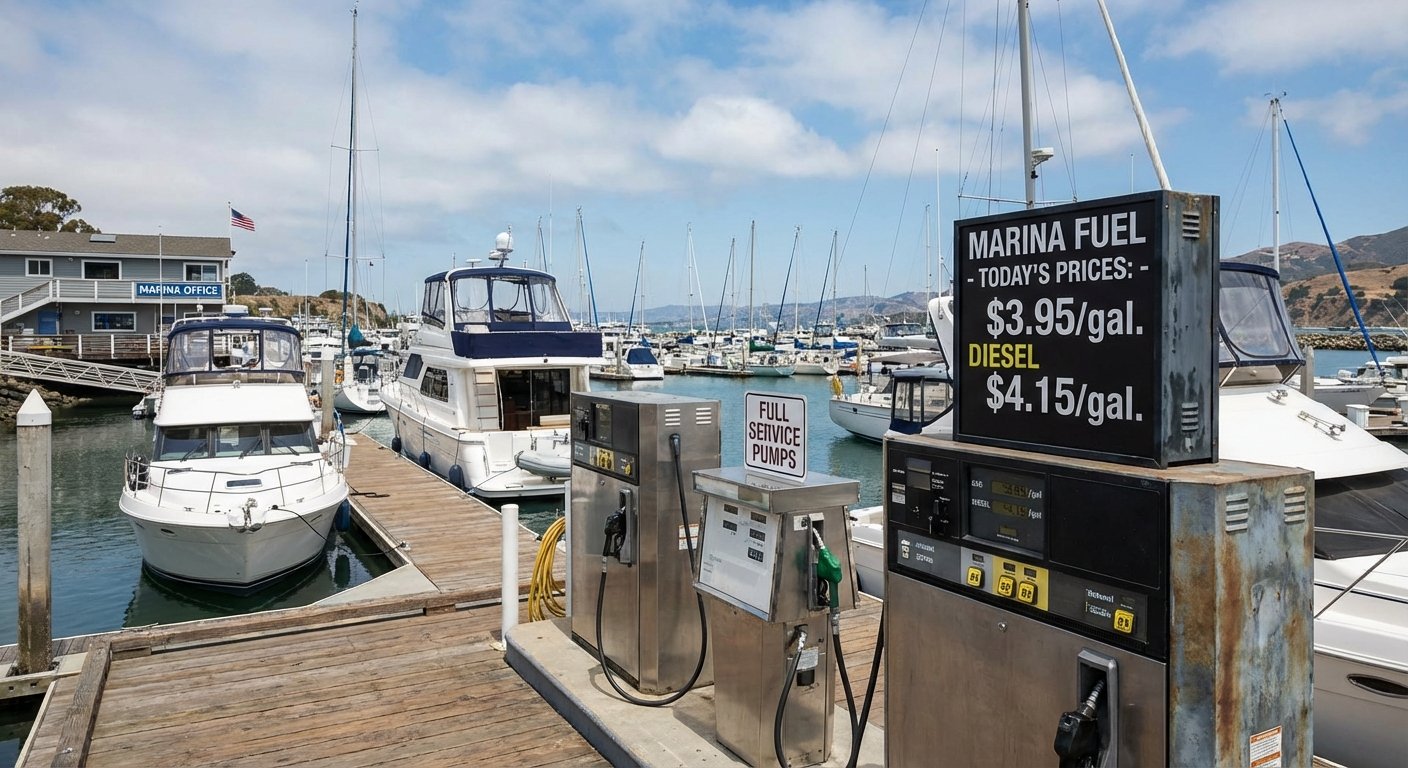
Financing Impact: A $40,000 pontoon loan at 8% for 10 years costs $5,824 per year in payments alone. Add to that storage, insurance, fuel, and maintenance, and your annual cost jumps to $8,000–$11,000.
Example: $40,000 Pontoon Financed
- Loan Amount: $40,000
- Interest Rate: 8.0% (February 2026 average)
- Term: 10 years (120 months)
- Monthly Payment: $485
- Annual Payment: $5,824
- Total Interest Paid: $18,240
- Total Amount Repaid: $58,240
The Depreciation Trap: If you finance a pontoon, you're at risk of being "underwater" (owing more than it's worth) during the first 3–5 years. A $40,000 pontoon financed over 10 years might be worth $24,000–$28,000 after 3 years, but you could still owe $28,000–$32,000. Put down at least 20% to avoid this.
Marine Loan Rates by Lender (February 2026)
| Lender | Loan Amount | Term | Rate Range | Notes |
|---|---|---|---|---|
| Essex Credit | $25K–$150K | 5–15 years | 7.0–9.5% | Specialized marine lender, competitive rates |
| Trident Funding | $20K–$200K | 5–20 years | 6.9–9.9% | Fast pre-approval, flexible terms |
| BoatUS/Lightstream | $5K–$100K | 3–12 years | 7.5–10.5% | Member benefits, unsecured option |
| Local Credit Union | Varies | 5–15 years | 6.0–8.5% | Often lowest rates if you're a member |
| Dealer Financing | $25K–$150K | 5–10 years | 8.0–11.0% | Convenient, but often highest rates. Negotiate! |
Sources: Loan rate data from Trident Funding, Essex Credit, LightStream Boat Loans, boat insurance factors from BoatUS Insurance, and Bankrate Loan Calculator.
Annual Financing Costs at Different Loan Amounts
| Loan Amount | 8% / 10 Years | 8% / 15 Years | 6.5% / 10 Years | Total Interest Paid |
|---|---|---|---|---|
| $30,000 | $4,368/yr ($364/mo) | $3,710/yr ($309/mo) | $4,068/yr ($339/mo) | $13,680 @ 8%/10yr |
| $50,000 | $7,280/yr ($607/mo) | $6,184/yr ($515/mo) | $6,780/yr ($565/mo) | $22,800 @ 8%/10yr |
| $75,000 | $10,920/yr ($910/mo) | $9,276/yr ($773/mo) | $10,170/yr ($848/mo) | $34,200 @ 8%/10yr |
| $100,000 | $14,560/yr ($1,213/mo) | $12,368/yr ($1,031/mo) | $13,560/yr ($1,130/mo) | $45,600 @ 8%/10yr |
Sources: Loan calculations from Bankrate Loan Calculator and Trident Funding.
Money-Saving Financing Tips
- Put Down 20%+: A larger down payment lowers your loan amount and monthly payment. It also keeps you from going underwater early.
- Shop Multiple Lenders: Rates vary 1–2% between lenders. Get pre-approval from 3–4 sources before signing with a dealer.
- Shorten the Term: A 10-year loan is tempting for lower monthly payments, but a 7-year term saves significant interest while keeping payments reasonable.
- Use Your Credit Union: Credit unions typically offer 0.5–1.5% lower rates than commercial lenders. Check yours first.
- Consider a Shorter Loan for Used Boats: A 5-year used boat loan at 7% is often better than a 10-year new boat loan at 8.5%. You'll own it faster and pay less interest.
- Negotiate the Rate: If you have good credit (700+), ask dealers to match or beat the rate you've gotten from other lenders.
Sales Tax Note: Most states charge sales tax on boat purchases (5–8%). Some allow you to finance this into your loan. Ask your dealer if sales tax can be added to the loan amount—this affects your total monthly payment.
Purchase Prices by Size and Type
Pontoon prices vary dramatically based on size, brand, features, and engine configuration. Use these tables to understand the price range for new and used boats:
New Pontoon Prices by Length (MSRP Range)
| Length | Budget Brand | Mid-Range Brand | Premium Brand | Average |
|---|---|---|---|---|
| 18–19 ft | $18,000–$28,000 | $25,000–$38,000 | $32,000–$45,000 | $28,500 |
| 20–21 ft | $22,000–$35,000 | $32,000–$48,000 | $45,000–$62,000 | $40,000 |
| 22–23 ft | $25,000–$42,000 | $40,000–$60,000 | $55,000–$78,000 | $50,000 |
| 24–26 ft | $32,000–$55,000 | $50,000–$75,000 | $70,000–$110,000 | $65,000 |
| 26–28 ft | $45,000–$75,000 | $65,000–$100,000 | $95,000–$150,000 | $85,000 |
Sources: MSRP data from Boat Trader, Bennington Marine, Harris Boats, Manitou Pontoon Boats, Sun Tracker, and Godfrey Pontoon Boats.
New Tritoon Prices by Length (MSRP Range)
| Length | Budget Brand | Mid-Range Brand | Premium Brand | Average |
|---|---|---|---|---|
| 18–19 ft | $25,000–$38,000 | $35,000–$50,000 | $45,000–$65,000 | $42,000 |
| 20–21 ft | $30,000–$48,000 | $45,000–$65,000 | $60,000–$85,000 | $55,000 |
| 22–23 ft | $35,000–$58,000 | $55,000–$80,000 | $75,000–$115,000 | $70,000 |
| 24–26 ft | $45,000–$75,000 | $70,000–$105,000 | $100,000–$160,000 | $90,000 |
| 26–28 ft | $60,000–$100,000 | $90,000–$135,000 | $130,000–$220,000 | $125,000 |
Sources: Dealer inventory from Boat Trader, manufacturer specifications from Bennington Marine, Harris Boats, and Sylvan Marine.
Used Pontoon Prices by Age and Brand (22-Foot Boats)
| Model | 1–3 Years Old | 5–7 Years Old | 8–10 Years Old |
|---|---|---|---|
| Sun Tracker Party Barge 22 | $26,000–$32,000 | $14,000–$18,000 | $10,000–$14,000 |
| Bennington 22 SSX | $48,000–$55,000 | $32,000–$38,000 | $22,000–$28,000 |
| Manitou Explore 22 | $42,000–$50,000 | $28,000–$34,000 | $18,000–$24,000 |
| Harris Solstice 23 | $45,000–$52,000 | $30,000–$36,000 | $20,000–$26,000 |
| Godfrey Sweetwater 2286 | $36,000–$42,000 | $22,000–$28,000 | $14,000–$20,000 |
| Sylvan Mirage 8524 | $38,000–$44,000 | $24,000–$30,000 | $15,000–$21,000 |
Sources: Market data from Boat Trader, owner reports from PontoonForums.com, and valuation analysis from J.D. Power Boat Values.
Engine Choice and Cost Impact
| Engine Configuration | Purchase Price Delta | Annual Maintenance | Fuel Economy (cruise) | Engine Lifespan |
|---|---|---|---|---|
| Single 90–115 HP | Base price ($0) | $600–$1,200 | 4–6 GPH | 1,500–2,000 hrs |
| Single 150–200 HP | +$2,500–$4,500 | $800–$1,500 | 5–7 GPH | 1,500–2,000 hrs |
| Single 250–300 HP | +$6,000–$9,000 | $1,200–$2,000 | 7–10 GPH | 1,200–1,800 hrs |
| Dual 90 HP | +$4,000–$6,000 | $1,200–$1,800 | 6–8 GPH combined | 1,500–2,000 hrs each |
Sources: Manufacturer specifications from Boat Trader, Bennington Marine, and Sun Tracker, fuel consumption data from Boat Fuel Economy.
Electronics and Upgrades
| Upgrade | Typical Cost | Installation | Value Added at Resale |
|---|---|---|---|
| Bimini Top (frame + canvas) | $1,500–$3,500 | $200–$500 | 60–80% recovery |
| Ski/Tow Bar | $800–$1,500 | $300–$600 | 70–90% recovery |
| Tower Speakers with LED | $2,000–$4,000 | $500–$1,000 | 50–70% recovery |
| GPS/Chartplotter | $1,200–$2,500 | $400–$800 | 40–60% recovery |
| Fishing Package (rod holders, livewell, finder) | $3,000–$6,000 | $800–$1,500 | 65–85% recovery |
| Furniture Upgrade (premium seating) | $2,000–$4,000 | $200–$400 | 50–70% recovery |
| LED Lighting Package | $1,500–$2,500 | $300–$600 | 60–80% recovery |
| Lifting Strakes | $2,500–$4,500 | $500–$1,000 | 75–90% recovery |
| Mooring Cover (custom-fit) | $800–$1,800 | $0–$200 | 70–90% recovery |
Sources: Dealer pricing from Boat Trader, Boatwork owner expense database (40+ pontoon owners, 2022–2026), and equipment data from Better Boat: Cost to Winterize a Boat.
Tow Vehicle Analysis (for Trailering)
| Vehicle | Tow Rating | Purchase Price | Fuel Economy | Best For |
|---|---|---|---|---|
| Toyota Tacoma | 6,800–10,200 lbs | $28,000–$40,000 (new) | 20–22 MPG | 18–20 ft pontoons, fuel-conscious buyers |
| Ford F-150 (standard) | 10,000–14,000 lbs | $32,000–$58,000 (new) | 20–23 MPG | 20–24 ft pontoons, popular, widely available |
| Chevy Silverado 1500 | 10,000–13,000 lbs | $32,000–$60,000 (new) | 19–22 MPG | 20–24 ft pontoons, GM truck ecosystem |
| Toyota Tundra | 12,000–14,000 lbs | $38,000–$65,000 (new) | 18–21 MPG | 22–28 ft pontoons, reliability preference |
| Chevy Suburban (full-size SUV) | 12,000–14,000 lbs | $55,000–$85,000 (new) | 18–21 MPG | 22–26 ft pontoons, need passenger space |
Sources: Towing vehicle recommendations from Edmunds: 12 Great Vehicles for Towing Boats, vehicle values from Kelley Blue Book, and boat manufacturer specifications.
Tow Vehicle Savings Tip: If you already own a truck or SUV rated for your pontoon size, don't trade it for a new one. Upgrading to a new truck ($30K–$65K+) destroys your boat ownership budget. A well-maintained 5–8 year old truck in good condition is ideal for trailering and costs $15K–$30K.
Storage Costs: Where You Park Your Boat Matters
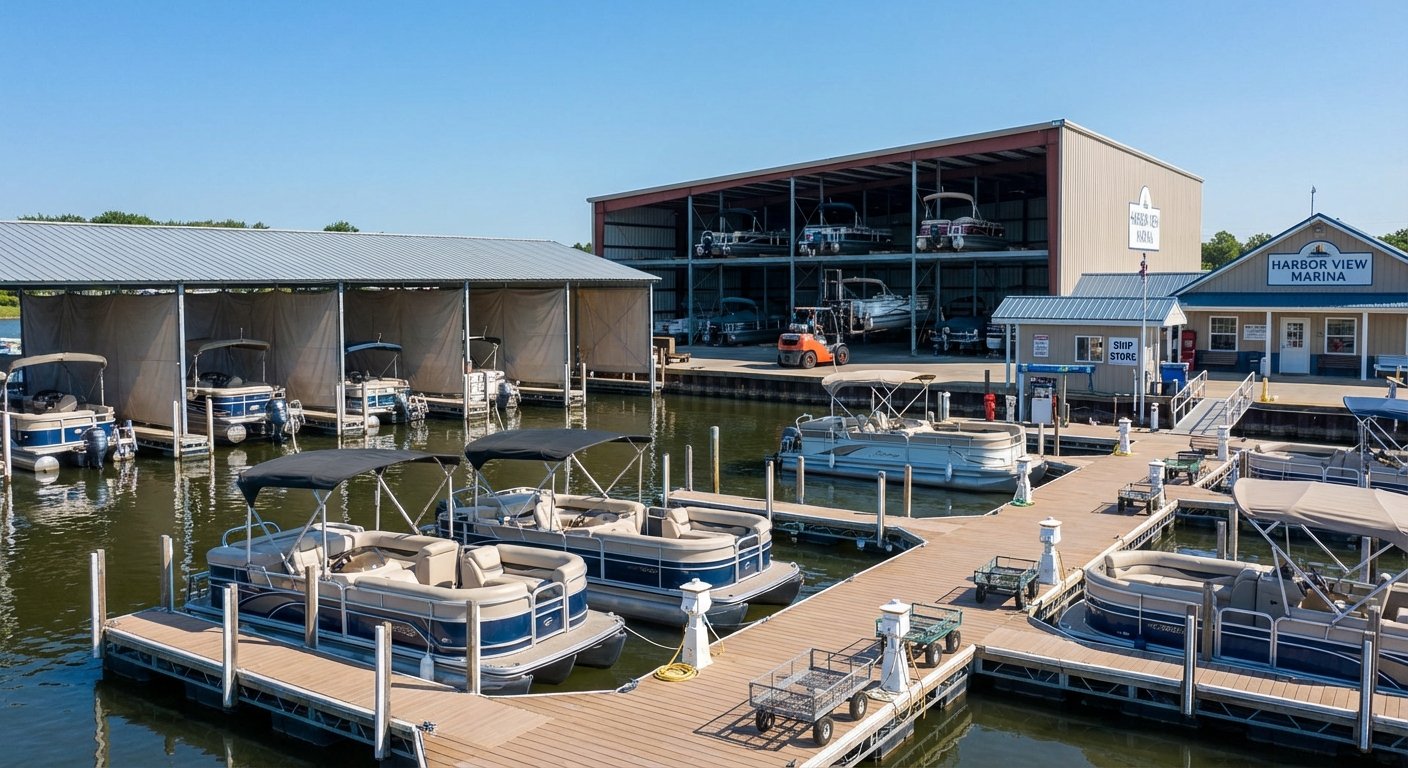
Storage Impact: Storage costs range from $0 (at home on your trailer) to $14,400 per year (covered wet slip in South Florida). This is one of the two biggest variables in total ownership cost.
Storage by Type
| Storage Type | Monthly Cost | Annual Cost | Pros | Cons |
|---|---|---|---|---|
| Home Trailer | $0 | $0 | Free, always accessible, no membership, quick launch | Requires space, HOA restrictions, UV exposure, neighbor complaints |
| Offsite Trailer Yard | $40–$80 | $500–$1,000 | Low cost, secure fence, saves driveway space | Less convenient, weather exposure, limited access hours |
| Dry Stack (indoor warehouse) | $150–$300 | $1,800–$3,600 | Climate-controlled, protected from weather, fast launch, convenient | More expensive, depends on facility hours, potential wait times |
| Wet Slip (open water) | $300–$600 | $3,600–$7,200 | Always ready, no launch needed, marina amenities | Expensive, corrosion risk, hurricane season concerns, tidal exposure |
| Covered Wet Slip | $600–$1,200 | $7,200–$14,400 | Maximum protection, always ready, no weather exposure | Most expensive, limited availability, longest waiting lists |
Sources: Boatwork marina surveys (100+ facilities across 7 U.S. regions, 2022–2026), insurance data from BoatUS Insurance, and owner feedback from PontoonForums.com.
Storage by Region (22-Foot Pontoon, Annual Cost)
| Region | Home Trailer | Offsite Yard | Dry Stack | Wet Slip | Covered Slip |
|---|---|---|---|---|---|
| South Florida | Limited (HOA) | $600–$1,200 | $2,400–$3,600 | $5,400–$7,800 | $9,600–$14,400 |
| Gulf Coast TX/LA | $0–$300 | $500–$900 | $1,800–$2,400 | $3,600–$5,400 | $6,000–$9,600 |
| Chesapeake Bay/MD | $0–$200 | $400–$700 | $1,200–$2,000 | $2,400–$3,600 | $4,800–$7,200 |
| Northeast | $0–$300 | $400–$800 | $1,200–$1,800 | $2,000–$3,000 | $3,600–$5,400 |
| Midwest Lakes | $0 | $300–$600 | $1,000–$1,800 | $1,200–$2,000 | $2,400–$3,600 |
Sources: Boatwork marina surveys (100+ facilities across 7 U.S. regions, 2022–2026), storage rates from Discover Boating: Costs of Boat Ownership, and insurance data from BoatUS Insurance.
HOA and Deed Restrictions: Before buying a pontoon and planning to store it at home, check your HOA restrictions and local zoning laws. Many residential areas prohibit boat storage in driveways or require it to be screened. Violating these can result in fines or forced removal. Verify before purchasing.
Insurance: Protecting Your Investment
Insurance Range: Pontoon insurance costs $275–$1,800 per year depending on boat value, location, and coverage type. Note: Pontoons typically have 20–30% lower insurance than bowriders due to their safer vessel profile and lower speeds.
Insurance by Boat Value and Region
| Boat Value | Midwest Lakes | Mid-Atlantic | Gulf Coast | South Florida |
|---|---|---|---|---|
| $25,000 Pontoon | $200–$400 | $250–$450 | $300–$550 | $400–$750 |
| $50,000 Pontoon | $350–$600 | $400–$700 | $500–$850 | $650–$1,200 |
| $75,000 Pontoon | $500–$850 | $550–$950 | $700–$1,150 | $900–$1,600 |
| $100,000 Pontoon | $650–$1,100 | $700–$1,200 | $900–$1,500 | $1,200–$2,000 |
Sources: Insurance rate data from GEICO Marine: How Much Does Boat Insurance Cost?, Progressive Marine Insurance, BoatUS Insurance, InsureBetter: Boat Insurance Cost by State, and Norvos Insurance: Hurricane Deductibles.
What Drives Insurance Costs
| Factor | Impact on Premium | What You Can Control |
|---|---|---|
| Boat Value | Linear (higher value = higher premium) | Not directly, but affects which model you choose |
| Location | High (coastal/hurricane zones 50–100% more) | Limited, but you can change storage location |
| Age & Condition | Moderate (older boats may cost more or be uninsurable) | Yes—maintain detailed service records |
| Engine Size | Low (pontoons have low-speed engines) | Yes—choose smaller engines if possible |
| Coverage Type | High (liability vs. comprehensive vs. full coverage) | Yes—adjust deductibles and coverage limits |
| Boater Safety Course | 5–15% discount | Yes—complete USCG-approved course |
| Claims History | High (claims increase premiums 20–50%) | Yes—avoid claims, practice defensive boating |
| Multiple Policies (bundling) | 5–25% discount | Yes—bundle boat with home/auto insurance |
Sources: Regional insurance rates from GEICO Marine: How Much Does Boat Insurance Cost?, Progressive Marine Insurance, and BoatUS Insurance.
Insurance Providers & Typical Rates
| Provider | Coverage Types | Rate for $50K Pontoon | Special Features |
|---|---|---|---|
| GEICO Marine | Liability, comprehensive, collision | $400–$900/yr | Bundle discount with auto, online quotes |
| Progressive | Liability, comprehensive, collision | $450–$1,000/yr | Fast quotes, named perils options |
| BoatUS/Nationwide | Full coverage, towing, equipment breakdown | $500–$1,100/yr | Member discounts, agreed value option |
| State Farm | Liability, comprehensive, collision | $400–$850/yr | Bundle discount, local agents |
| InsureBetter | Comprehensive, liability, equipment | $350–$850/yr | Online-only discount, quick approval |
Sources: Insurance quotes from GEICO Marine: How Much Does Boat Insurance Cost?, Progressive Marine Insurance, BoatUS Insurance, InsureBetter: Boat Insurance Cost by State, and State Farm Boat Insurance.
Insurance Savings Tips
- Get Multiple Quotes: Rates vary 20–40% between insurers. Get quotes from 4–5 companies before choosing.
- Bundle Policies: Combining boat insurance with home and auto insurance typically saves 15–25%.
- Increase Deductibles: Moving from $250 to $1,000 deductible typically saves 20–30%.
- Complete a Boater Safety Course: USCG-approved courses earn 5–15% discounts. Cost: $20–$50, saves $30–$150/yr.
- Pay Annually, Not Monthly: Avoid monthly payment fees. Most insurers offer a discount for paying in full.
- Improve Your Boat's Safety Features: New fire extinguishers, first aid kits, and GPS devices can lower premiums.
- Maintain Service Records: Documented maintenance history can lead to better rates or discounts.
Note on Pontoon Insurance Rates: Pontoons are among the safest boat types to insure. Their large, stable platform, low speeds, and family-oriented use translate to fewer accidents and claims compared to bowriders (high speed) or center consoles (rough water). You'll typically pay 20–30% less insurance on a pontoon than on a comparable bowrider.
Maintenance and Repair Costs
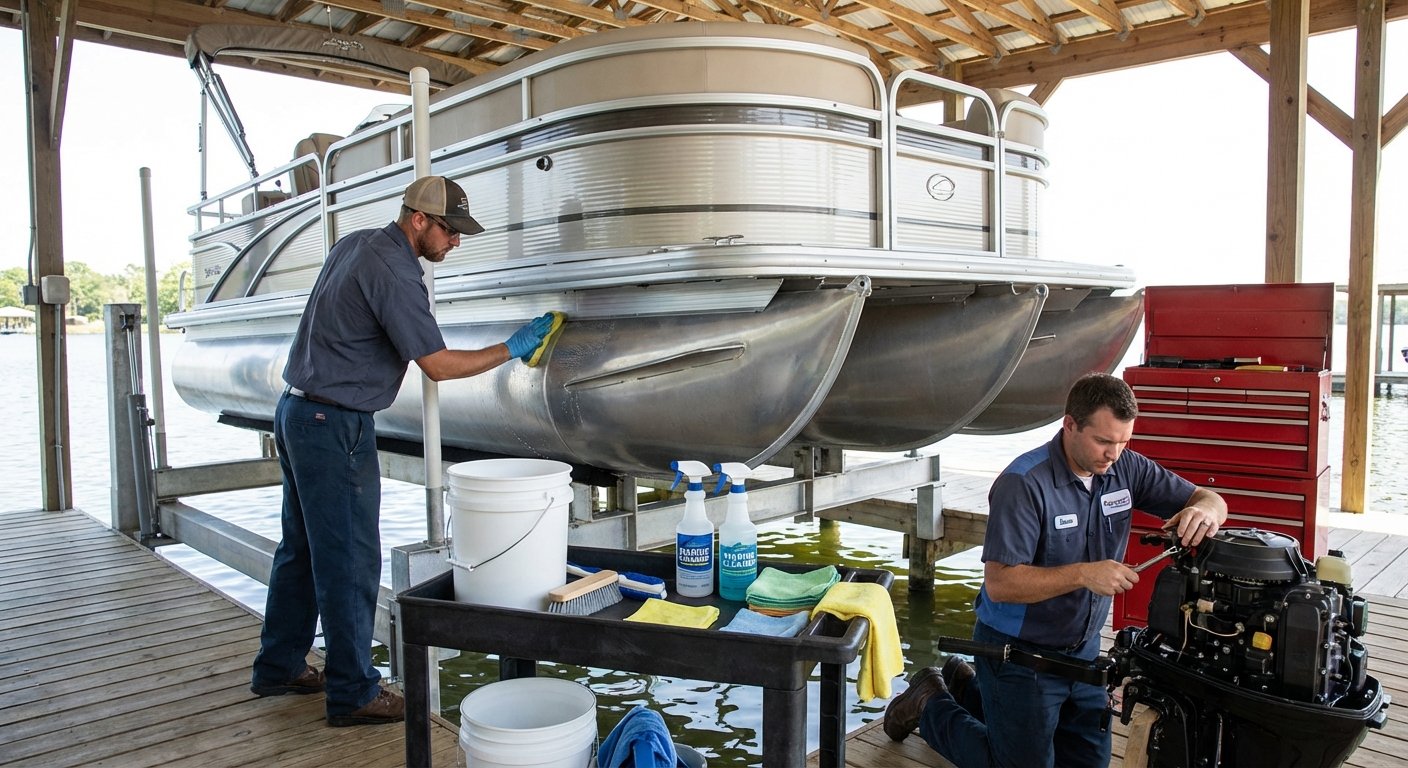
Annual Maintenance Range: Plan for $800–$3,500 per year in maintenance and repairs. The rule of thumb: budget 10% of your boat's value annually. A $50,000 pontoon should have $5,000 set aside for maintenance over its first decade.
Routine Maintenance Schedule (Annual or Seasonal)
| Task | Frequency | DIY Cost | Professional Cost |
|---|---|---|---|
| Oil & Filter Change | 50 hours or annually | $40–$80 | $100–$200 |
| Lower Unit Service (outboard) | 100 hours or annually | $100–$200 | $300–$500 |
| Impeller Replacement | 200 hours or 2 years | $150–$300 | $400–$700 |
| Fuel Filter Change | 100 hours or annually | $30–$60 | $100–$150 |
| Spark Plug Replacement | 200 hours or annually | $60–$120 | $200–$400 |
| Battery Replacement | 3–5 years | $80–$150 | $150–$300 |
| Zinc Anode Replacement (saltwater) | Annually (saltwater) or 2 years (freshwater) | $40–$100 | $100–$200 |
| Trailer Bearing Inspection/Repack | Annually or before long trips | $100–$200 | $250–$400 |
Sources: Maintenance guides from Better Boat: Cost to Winterize a Boat, The Pontoon Site: Maintenance Costs, insurance insights from BoatUS Insurance, and manufacturer service data.
Pontoon-Specific Maintenance Tasks
| Task | Frequency | DIY Cost | Professional Cost |
|---|---|---|---|
| Tube Cleaning & Inspection | Quarterly or after salt/rough water | $50–$150 (supplies) | $200–$500 |
| Furniture/Vinyl Care | Monthly during season | $30–$100 (cleaners) | $150–$400 (detailing) |
| Deck/Carpet Replacement | 5–10 years | $500–$1,500 (DIY) | $1,500–$3,500 |
| Gate Hinge/Latch Service | Annually or as needed | $50–$150 | $150–$300 |
| Bimini Top Replacement | 8–10 years | $800–$1,500 (DIY canvas) | $1,500–$3,000 |
| LED Lighting Repair/Upgrade | As needed | $100–$300 | $300–$600 |
Sources: Maintenance cost analysis from The Pontoon Site: Maintenance Costs, Better Boat: 5 Disadvantages of Pontoon Boats, Born Again Boating: Maintenance Cost, and Boatwork owner expense database (40+ pontoon owners, 2022–2026).
Winterization Cost by Region
| Region | Winterization Cost | Storage Cost (off-season) | Total Off-Season | Duration |
|---|---|---|---|---|
| Midwest/Great Lakes | $400–$800 | $0–$1,800 (6 months) | $400–$2,600 | 5–6 months (Nov–Apr) |
| Northeast | $400–$800 | $0–$1,500 | $400–$2,300 | 5–6 months (Nov–Apr) |
| Mid-Atlantic/Chesapeake | $300–$600 | $0–$1,000 | $300–$1,600 | 3–4 months (Dec–Mar) |
| Southeast | $200–$400 | $0–$500 | $200–$900 | 1–2 months (Dec–Jan) |
Sources: Winterization cost data from Better Boat: Cost to Winterize a Boat, Boatwork marina surveys (100+ facilities across 7 U.S. regions, 2022–2026), and regional service provider quotes.
DIY vs. Professional Maintenance Cost Comparison
| Maintenance Approach | Annual Cost | Time Commitment | Pros | Cons |
|---|---|---|---|---|
| Full DIY | $600–$1,500 | 30–50 hours/year | Lowest cost, intimate knowledge, flexibility | Requires skill, mistakes cost more, warranty voided |
| Mixed (DIY + Professional) | $1,200–$2,500 | 15–25 hours/year | Balance of cost and quality, warranty protection | Moderate cost and effort, scheduling challenges |
| Full Professional Service | $2,000–$4,000 | 2–5 hours/year (monitoring) | Highest quality, warranty guaranteed, peace of mind | Highest cost, scheduling dependent, less control |
Sources: Insurance rate data from BoatUS Insurance, Boatwork owner expense database (40+ pontoon owners, 2022–2026), and marina service provider quotes.
Saltwater and Aluminum Corrosion: If you boat in saltwater, you face accelerated aluminum corrosion (galvanic corrosion). The third pontoon tube on a tritoon is more vulnerable. Budget an extra 25–50% for maintenance if boating in saltwater. Use zinc anodes, rinse regularly with fresh water, and consider anti-corrosion coatings. Coastal pontoon ownership is not recommended unless you're willing to invest in serious corrosion prevention.
The 10% Rule: Budget 10% of your boat's current value annually for maintenance. A $50,000 pontoon = $5,000/year budget. A $25,000 used pontoon = $2,500/year. This rule accounts for wear, depreciation, and unexpected repairs. Set this money aside in a maintenance fund and you'll never be caught off guard.
"Pontoon boats are generally lower maintenance than a power boat or a sailboat. Since they don't achieve high speeds or have many moving parts like a sailboat, they are a great entry-level boat."
— The Pontoon Site: Pontoon Maintenance Requirements & Their Costs
Regional Cost Breakdown: Where You Boat Matters Greatly
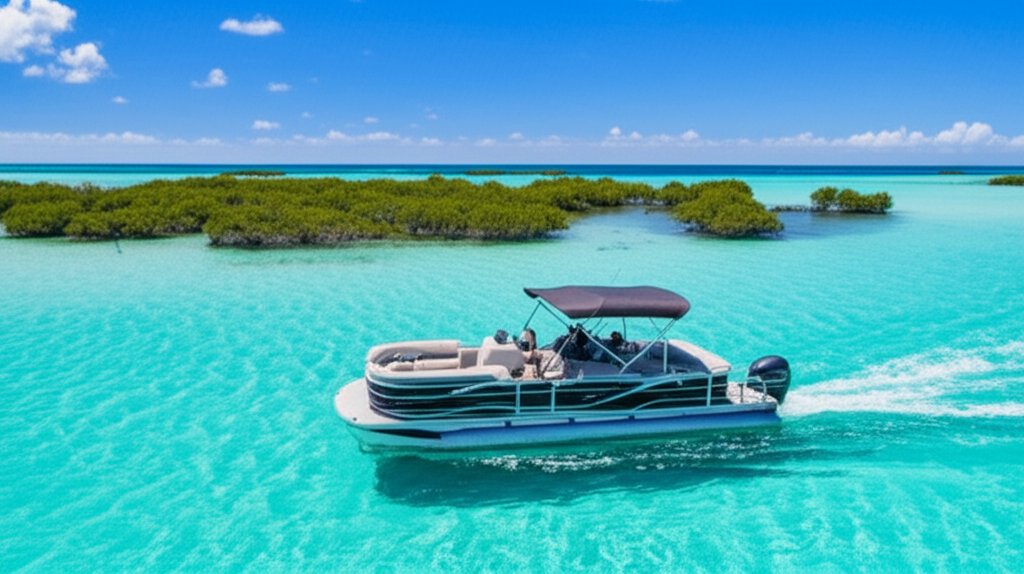
Your location is one of the two biggest cost variables. A pontoon that costs $8,000/year to own in the Midwest might cost $14,000–$16,000 in coastal Florida. Below are seven major boating regions with their typical ownership costs:
1. Florida (Year-Round Paradise with Year-Round Costs)
South Florida and the Gulf Coast offer year-round boating, which is fantastic for your lifestyle but challenging for your wallet. Hurricane season (June–November) drives up insurance significantly. Wet slip availability is limited, pushing prices high. The tourism economy means everything costs more. However, you can boat 12 months/year.
| Cost Category | Annual Cost (22-ft pontoon) |
|---|---|
| Storage (wet slip) | $5,400–$7,800 |
| Insurance | $650–$1,200 |
| Fuel (100 hrs/yr) | $1,600–$2,400 |
| Maintenance | $1,200–$2,500 |
| TOTAL ANNUAL | $8,850–$13,900 |
Sources: Regional insurance rates from GEICO Marine: How Much Does Boat Insurance Cost?, Boatwork marina surveys (100+ facilities across 7 U.S. regions, 2022–2026), and BoatUS Insurance.
2. Gulf Coast: Texas, Louisiana, Mississippi, Alabama (Year-Round, Moderate)
The Gulf Coast offers similar year-round boating to Florida but with lower costs. Marinas are more plentiful, competition is fiercer, and you're slightly away from hurricane center paths (though still vulnerable). Dry stack is a good middle ground between cost and convenience.
| Cost Category | Annual Cost (22-ft pontoon) |
|---|---|
| Storage (dry stack) | $1,800–$2,400 |
| Insurance | $500–$850 |
| Fuel (120 hrs/yr) | $1,800–$2,800 |
| Maintenance | $1,000–$2,000 |
| TOTAL ANNUAL | $5,100–$8,050 |
Sources: Boatwork marina surveys (100+ facilities across 7 U.S. regions, 2022–2026), insurance rate data from BoatUS Insurance, and regional insurance quotes.
3. Mid-Atlantic & Chesapeake Bay (7–8 Month Season, Moderate-High Costs)
The Chesapeake Bay region (Maryland, Virginia, Delaware) offers excellent boating from April through October/November. Winter storage is necessary but less expensive than Northeast winterization. Mid-range costs make this region popular for mid-Atlantic boaters.
| Cost Category | Annual Cost (22-ft pontoon) |
|---|---|
| Storage (dry stack, 7 months) | $1,400–$2,000 |
| Winter Storage (5 months) | $600–$1,000 |
| Insurance | $400–$700 |
| Fuel (100 hrs/yr) | $1,400–$2,000 |
| Maintenance & Winterization | $1,000–$2,000 |
| TOTAL ANNUAL | $4,800–$7,700 |
Sources: Boatwork marina surveys (100+ facilities across 7 U.S. regions, 2022–2026), regional insurance data from GEICO Marine and Progressive Marine Insurance.
4. Northeast (5–6 Month Season, Highest Winterization Costs)
New England and the Great Lakes states (Maine, Massachusetts, New York, Vermont) offer beautiful summer boating but long winters. Winterization is mandatory and expensive. Season is May–September (5 months). Home storage on a trailer is most economical if you have space.
| Cost Category | Annual Cost (22-ft pontoon) |
|---|---|
| Storage (dry stack, 5 months) | $1,200–$1,800 |
| Winterization (professional) | $400–$800 |
| Insurance | $350–$600 |
| Fuel (80 hrs/yr) | $1,120–$1,680 |
| Maintenance | $800–$1,500 |
| TOTAL ANNUAL | $3,870–$6,380 |
Sources: Boatwork marina surveys (100+ facilities across 7 U.S. regions, 2022–2026), regional marina operator data, and Northeast boating industry reports.
5. Midwest Lakes (5–6 Month Season, Lowest Costs)
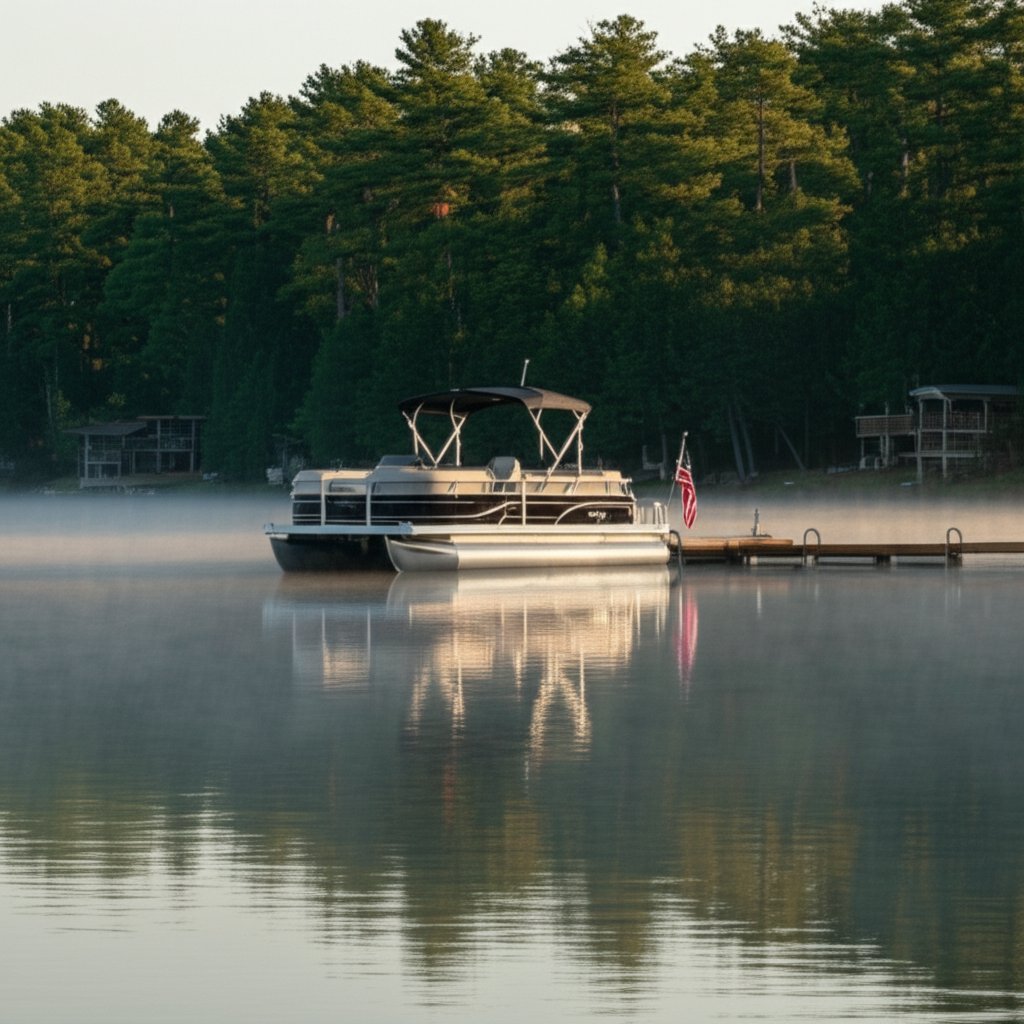
The Midwest—Minnesota, Wisconsin, Michigan, Iowa—has the highest concentration of pontoon boats and the lowest ownership costs. Home storage is common and accepted. Dry stack rates are competitive. Insurance is lowest nationally. This is the best region for budget-conscious pontoon owners.
| Cost Category | Annual Cost (22-ft pontoon) |
|---|---|
| Storage (home trailer or dry stack) | $0–$1,500 |
| Winterization (DIY or light service) | $200–$400 |
| Insurance | $275–$500 |
| Fuel (100 hrs/yr) | $1,400–$2,000 |
| Maintenance | $600–$1,200 |
| TOTAL ANNUAL | $2,475–$5,600 |
Sources: Boatwork marina surveys (100+ facilities across 7 U.S. regions, 2022–2026), owner reports from PontoonForums.com, and regional insurance quotes.
6. Pacific Northwest (8–9 Month Season, Rain Protection Important)
Washington and Oregon offer long boating seasons but with significant rain and moisture. Protection from the elements (covered storage, good covers) is essential to prevent mildew and corrosion. Dry stack facilities are expensive but worth it.
| Cost Category | Annual Cost (22-ft pontoon) |
|---|---|
| Storage (covered dry stack) | $2,000–$3,000 |
| Insurance | $400–$700 |
| Fuel (120 hrs/yr) | $1,680–$2,400 |
| Maintenance & covers | $1,000–$2,000 |
| TOTAL ANNUAL | $5,080–$8,100 |
Sources: Boatwork marina surveys (100+ facilities across 7 U.S. regions, 2022–2026), storage data from Discover Boating: Costs of Boat Ownership.
7. Southern California (Year-Round, High Demand, Premium Pricing)
Southern California (San Diego, Los Angeles, Orange County) has year-round boating and beautiful conditions, but pricing reflects demand. Marina waitlists are years long. New boat demand keeps used prices high. This is the most expensive place to boat on the West Coast.
| Cost Category | Annual Cost (22-ft pontoon) |
|---|---|
| Storage (dry stack, waitlist 1–2 years) | $2,400–$3,600 |
| Insurance | $600–$1,000 |
| Fuel (150 hrs/yr) | $2,100–$3,000 |
| Maintenance | $1,200–$2,000 |
| TOTAL ANNUAL | $6,300–$9,600 |
Sources: Boatwork marina surveys (100+ facilities across 7 U.S. regions, 2022–2026), storage rates from Discover Boating: Costs of Boat Ownership.
Regional Cost Comparison Summary
| Region | Annual Cost Range | Season Length | Key Cost Driver | Best For |
|---|---|---|---|---|
| Midwest Lakes | $2,500–$5,600 | 5–6 months | Low storage/insurance | Budget-conscious, families |
| Northeast | $3,900–$6,400 | 5–6 months | Winterization costs | Seasonal lake boaters |
| Mid-Atlantic | $4,800–$7,700 | 7–8 months | Moderate storage | Extended season seekers |
| Pacific NW | $5,100–$8,100 | 8–9 months | Rain, covered storage | Long-season, wet climate |
| Gulf Coast | $5,100–$8,050 | 12 months | Year-round availability | Year-round boaters |
| Southern CA | $6,300–$9,600 | 12 months | High demand, waitlists | Premium-price-accepting buyers |
| South Florida | $8,850–$13,900 | 12 months | Hurricane insurance, wet slip | High-budget year-round boaters |
Sources: Boatwork marina surveys (100+ facilities across 7 U.S. regions, 2022–2026), regional insurance data from Progressive Marine Insurance, and BoatUS Insurance.
The Bottom Line: If budget is your priority, the Midwest offers the best value. If you want year-round boating, expect to pay 50–150% more. Coastal locations command premiums due to insurance and limited storage. Your region choice might be the single biggest cost variable aside from boat purchase price.
"Buying a modern pontoon boat can be just as expensive or as economical as you'd like, with prices that fit every budget. When researching ownership costs, an important factor is storage or mooring costs."
Cost of Ownership by Popular Brand

Your brand choice impacts purchase price, insurance costs, maintenance, and resale value. We've broken down the six most popular pontoon brands to help you understand the cost implications of each:
1. Sun Tracker (Value Leader)
Sun Tracker, owned by Tracker Marine Group, is the most affordable pontoon brand. Their Party Barge and Sport Trac lines dominate the budget segment. Purchase prices are low, but resale value is also lower, and maintenance can be higher for older models. Best for: First-time buyers, budget-conscious families.
| Metric | 22-Foot Model |
|---|---|
| New MSRP | $25,000–$38,000 |
| Used (5-year) Price | $15,000–$22,000 |
| Annual Ownership Cost | $3,500–$6,500 |
| Insurance (annual) | $275–$500 |
| Maintenance (annual) | $600–$1,200 |
2. Bennington (Premium Quality & Value Retention)
Bennington is widely considered the gold standard in pontoon manufacturing. Their S, SX, Q, and R series command higher prices but retain value exceptionally well. Owners often keep Benningtons 15+ years. The upfront investment pays dividends in resale value, insurance (lower due to brand reputation), and maintenance costs. Best for: Long-term owners, families willing to invest upfront.
| Metric | 22-Foot Model |
|---|---|
| New MSRP | $55,000–$78,000 |
| Used (5-year) Price | $35,000–$48,000 |
| Annual Ownership Cost | $5,000–$8,500 |
| Insurance (annual) | $400–$700 |
| Maintenance (annual) | $800–$1,500 |
3. Harris (Performance Luxury)
Harris boats are known for their performance packages, luxury features, and fiberglass construction on select models. Prices are comparable to Bennington but slightly different positioning (more performance-focused). Resale values are solid (60–65% after 5 years). Maintenance and insurance are moderate. Best for: Watersports-focused families, performance seekers.
| Metric | 23-Foot Model |
|---|---|
| New MSRP | $52,000–$75,000 |
| Used (5-year) Price | $32,000–$45,000 |
| Annual Ownership Cost | $5,000–$8,000 |
| Insurance (annual) | $400–$650 |
| Maintenance (annual) | $900–$1,600 |
4. Manitou (Innovation & Unique Features)
Manitou, owned by Brunswick Corporation, focuses on innovation and unique features. Their Explore and ShoreLand series have specialized designs (aluminum pontoons, performance tubes). Pricing is premium (comparable to Bennington/Harris). Resale values are strong (60–65% after 5 years). Best for: Buyers who want unique features, aluminum tube enthusiasts.
| Metric | 22-Foot Model |
|---|---|
| New MSRP | $50,000–$72,000 |
| Used (5-year) Price | $32,000–$44,000 |
| Annual Ownership Cost | $4,800–$8,000 |
| Insurance (annual) | $400–$650 |
| Maintenance (annual) | $900–$1,600 |
5. Godfrey (Mid-Range Value)
Godfrey (owned by MasterCraft) positions between budget (Sun Tracker) and premium (Bennington). Their Sweetwater and Sanpan lines offer good features at moderate prices. Resale values are middle-of-road (50–58% after 5 years). Maintenance is reasonable. Insurance slightly lower than premium brands. Best for: Middle-budget families, second-time buyers.
| Metric | 22-Foot Model |
|---|---|
| New MSRP | $40,000–$58,000 |
| Used (5-year) Price | $22,000–$32,000 |
| Annual Ownership Cost | $4,200–$7,000 |
| Insurance (annual) | $350–$600 |
| Maintenance (annual) | $700–$1,300 |
6. Sylvan (Mid-Range, Coastal Focus)
Sylvan specializes in mid-range pontoons with a focus on saltwater capability. Their Mirage and Signature series handle coastal use better than some competitors. Pricing is moderate. Resale values are solid (50–58% after 5 years). Maintenance for saltwater versions requires extra attention. Best for: Coastal/saltwater pontoon buyers, mid-range budgets.
| Metric | 22-Foot Model |
|---|---|
| New MSRP | $42,000–$62,000 |
| Used (5-year) Price | $24,000–$35,000 |
| Annual Ownership Cost | $4,500–$7,500 |
| Insurance (annual) | $400–$650 |
| Maintenance (annual) | $900–$1,600 |
Brand Comparison Summary Table
| Brand | Segment | 22ft New Price | 22ft Annual Cost | 5-Yr Value Retained | Best For |
|---|---|---|---|---|---|
| Sun Tracker | Budget | $25K–$38K | $3,500–$6,500 | 47–58% | First-time, budget buyers |
| Godfrey | Mid-Range | $40K–$58K | $4,200–$7,000 | 50–58% | Middle-budget families |
| Sylvan | Mid-Range | $42K–$62K | $4,500–$7,500 | 50–58% | Coastal/saltwater buyers |
| Manitou | Premium | $50K–$72K | $4,800–$8,000 | 60–65% | Innovation seekers |
| Harris | Premium | $52K–$75K | $5,000–$8,000 | 60–65% | Performance/watersports |
| Bennington | Premium | $55K–$78K | $5,000–$8,500 | 65–75% | Long-term, luxury buyers |
Sources: Market pricing from Boat Trader, manufacturer MSRP data from Bennington Marine, Harris Boats, and Boatwork owner expense database (40+ pontoon owners, 2022–2026).
Brand Summary: Budget brands (Sun Tracker) cost less to buy but depreciate faster. Premium brands (Bennington, Harris) cost more upfront but hold value better and have lower insurance. Mid-range brands (Godfrey, Sylvan) offer a balance. If you plan to own for 10+ years, premium brands provide better long-term economics despite higher upfront cost.
"Long-term ownership costs include maintenance, repairs, insurance, and depreciation that vary significantly between brands. Premium brands often cost less long-term despite higher purchase prices due to better reliability and resale values."
— Boatzon: Pontoon Boat Prices by Brand — 2025 Cost Breakdown
Pontoon-Specific Upgrades & Their Costs
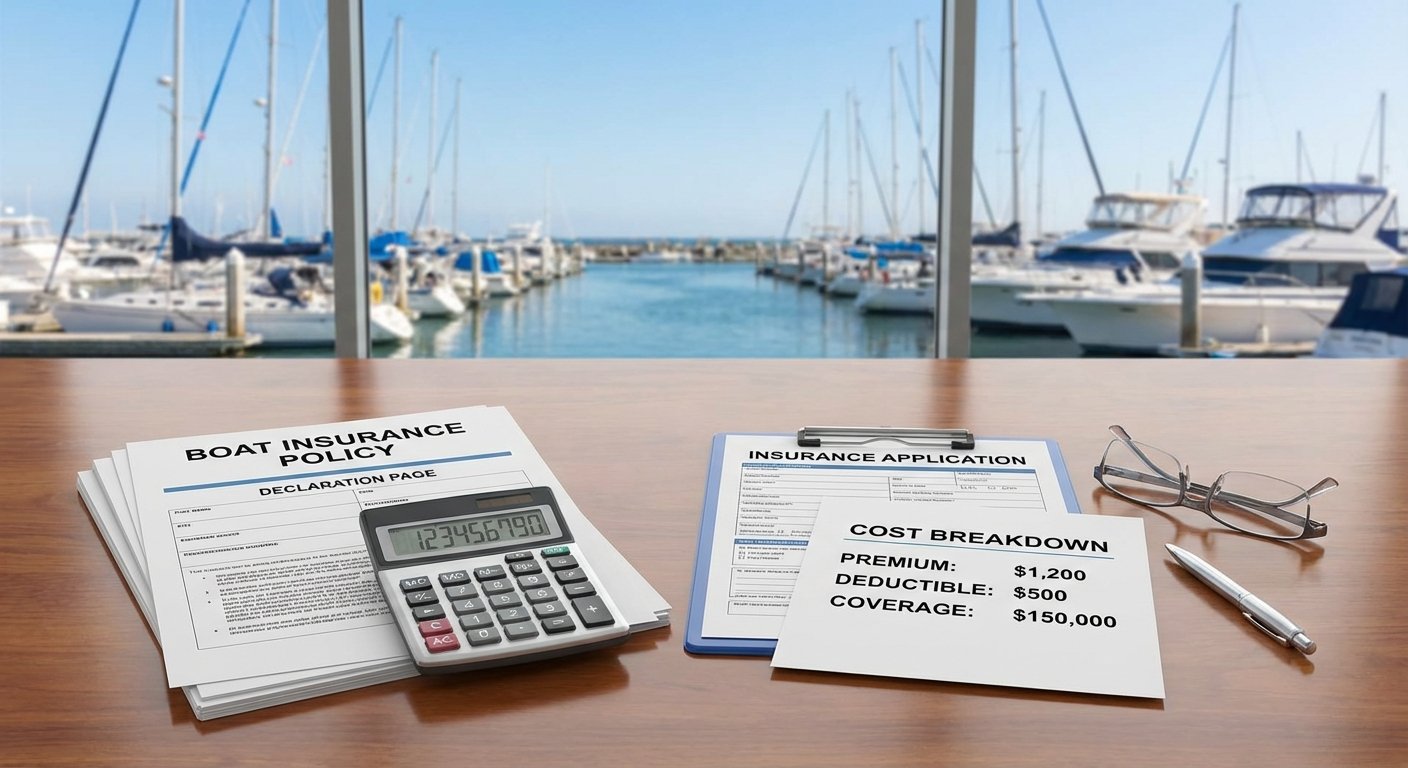
Pontoons offer unique upgrade paths that don't exist on other boat types. These upgrades can significantly enhance your boating experience and resale value. Here's what you should know about the major upgrade categories:
Tube Upgrades: Double to Triple (The Biggest Pontoon Upgrade)
Converting a 2-tube pontoon to a 3-tube tritoon mid-lifecycle is rare and expensive, but upgrading from a basic pontoon to a tritoon at purchase is a meaningful decision. Tritoons cost $10,000–$25,000 more upfront but deliver better performance, stability, and rough-water capability.
Performance Packages: Speed and Handling
- Lifting Strakes: $2,500–$4,500. Add hydrodynamic lift for better speed and fuel economy. Recovery: 75–90%.
- Underskin/Underscan: $3,000–$5,500. Covers the bottom of tubes for aesthetic appeal and hydrodynamic benefit. Recovery: 70–85%.
- Performance Tubes: $5,000–$10,000. Reinforced tubes for higher-horsepower engines. Included on some models, available as upgrade on others. Recovery: 80–90%.
Furniture & Flooring Packages: Comfort and Style
- Marine-Grade Vinyl Seating: $2,000–$4,000. Upgrade to premium seating materials. Recovery: 50–70%.
- SeaDek or Premium Flooring: $1,500–$3,000. Anti-slip, comfortable deck covering. Recovery: 60–80%.
- Teak or Wood Accents: $1,000–$2,500. Premium look. Requires maintenance. Recovery: 60–75%.
Power Upgrades: More Speed and Pulling Power
- Engine Upgrade (at purchase): +$2,500–$9,000 per 50 HP. 115 HP → 150 HP costs ~$2,500–$3,500. 150 HP → 200 HP costs ~$4,000–$6,000. Recovery: 70–85%.
- Hydraulic Steering Upgrade: $1,500–$3,000. Easier control, especially with large engines. Recovery: 70–80%.
- Engine Repower (after-market): $8,000–$15,000. Replacing a 10-year-old engine. Recovery: Marginal; good for reliability, not resale.
Entertainment: Audio and Connectivity
- Premium Marine Audio System: $2,000–$4,000. Waterproof speakers, subwoofers, AM/FM. Recovery: 50–70%.
- LED Lighting Package: $1,500–$2,500. Under-deck lights, accent lighting, navigation lights. Recovery: 60–80%.
- Bluetooth Connectivity & USB Charging: $500–$1,500. Integration with phones. Recovery: 40–60%.
Fishing Packages: For Anglers
- Rod Holders (4–6): $300–$800. Recovery: 60–75%.
- Livewell System: $1,500–$3,000. Live bait/fish storage. Recovery: 65–80%.
- Fish Finder & GPS Integration: $1,200–$2,500. Sonar, navigation. Recovery: 40–60%.
- Trolling Motor Package: $1,500–$2,500. Quiet electric motor for positioning. Recovery: 60–75%.
Cover and Enclosure Options: Protection and Comfort
- Bimini Top Upgrade: $1,500–$3,500. Frame + quality canvas. Recovery: 60–80%.
- Mooring Cover (custom-fit): $800–$1,800. Full-boat protection for storage. Recovery: 70–90%.
- Full Enclosure (frame + Strataglass): $4,000–$8,000. Climate control for bad weather. Recovery: 50–70%.
Upgrade Cost and Value Recovery Summary
| Upgrade Category | Typical Cost Range | Value Recovery at Resale | ROI Recommendation |
|---|---|---|---|
| Lifting Strakes | $2,500–$4,500 | 75–90% | Excellent—do it |
| Bimini Top | $1,500–$3,500 | 60–80% | Good—worth it |
| Ski/Tow Bar | $800–$1,500 | 70–90% | Excellent—do it |
| Fish Finder | $1,200–$2,500 | 40–60% | Fair—only if you fish |
| Premium Audio | $2,000–$4,000 | 50–70% | Fair—lifestyle choice |
| Engine Upgrade | $2,500–$9,000 | 70–85% | Good—if needed for use |
| Full Enclosure | $4,000–$8,000 | 50–70% | Fair—weather dependent |
Sources: Boatwork owner expense database (40+ pontoon owners, 2022–2026), dealer pricing from Boat Trader, brand analysis from Boatzon: Pontoon Boat Prices by Brand, and owner reports from PontoonForums.com.
Upgrade Strategy: If buying new, negotiate package deals on upgrades at purchase—dealer discounts are deeper than aftermarket costs. If buying used, choose a boat that already has your desired upgrades rather than adding them post-purchase (better value). Focus on performance and practical upgrades (lifting strakes, ski bar) over luxury add-ons (premium audio) for resale value.
Boat Club vs. Ownership: The Break-Even Analysis
Break-Even Point: Boat club membership breaks even with ownership at approximately 15–25 days of boating per year, depending on your location and boat size. If you boat more frequently, ownership is cheaper. If you boat less frequently, club membership is more economical.
Usage Level Comparison: Annual Costs
| Usage Level | Boat Club Cost (annual) | Boat Ownership Cost (annual) | Winner |
|---|---|---|---|
| 10 Days/Year | $2,400–$4,800 (initiation amortized + monthly) | $5,000–$19,000 | Boat Club (60–75% cheaper) |
| 20 Days/Year | $4,800–$9,600 | $5,000–$19,000 | Break-even or Club slight edge |
| 30 Days/Year | $7,200–$14,400 | $5,000–$19,000 | Ownership (depends on storage, region) |
| 50+ Days/Year | $12,000–$24,000+ | $5,000–$19,000 | Ownership (20–60% cheaper) |
Sources: Boat club membership cost data from Freedom Boat Club: Cost, Carefree Boat Club, and boat rental comparison data from Boatsetter.
Freedom Boat Club vs. Carefree Boat Club vs. Owning
| Provider | Initiation Fee | Monthly Cost | Annual Cost (5-year amortized) | Boat Access | Benefits |
|---|---|---|---|---|---|
| Freedom Boat Club | $3,200–$11,000 | $200–$500 | $3,600–$8,600/yr | Fleet of boats (size varies by location) | No maintenance, insurance included, upgrade flexibility |
| Carefree Boat Club | $2,000–$8,000 | $150–$400 | $2,400–$6,800/yr | Fleet of boats (growing network) | Lower entry cost, flexible cancellation, no commitment boats |
| Private Ownership (Budget) | $5,000 (down payment on $25K boat) | $0–$100 (storage amortized) | $3,500–$6,500/yr | Your own boat, your choice | Equity building, customization, no restrictions |
| Private Ownership (Premium) | $15,000 (down payment on $75K boat) | $300–$500 (financing + storage) | $8,000–$15,000/yr | Your own boat, your choice | Equity building, full customization, complete control |
Sources: Boat club pricing from Freedom Boat Club: Cost and Carefree Boat Club.
Break-Even Math
If you're considering a Carefree Boat Club membership (example): Initiation: $5,000 (one-time). Monthly: $300. To break even with a $50,000 pontoon costing $11,500/year in ownership ($958/month), you'd need to boat 20–25 days/year before ownership becomes cheaper.
Non-Financial Factors
Boat Club Advantages: No maintenance responsibility, included insurance, ability to try different boats, no depreciation risk, cancel anytime, access to multiple boats for different uses, no long-term commitment.
Ownership Advantages: Build equity, customize your boat to your preferences, no restrictions on usage, your boat always available (not booked), potential for multi-generational use, hobby/passion fulfillment, complete control.
Peer-to-Peer Rental Platforms
An increasingly popular middle ground is peer-to-peer boat rental platforms like Boatsetter and GetMyBoat. Local boat owners rent their boats for $300–$1,500/day. If you can find affordable rentals locally, this may be the best option for occasional (5–15 days/year) users.
"Buying a boat entails significant upfront and recurring costs. Boat club memberships, on the other hand, often require a fraction of the initial investment."
Disadvantages of Pontoon Ownership: The Honest Truth
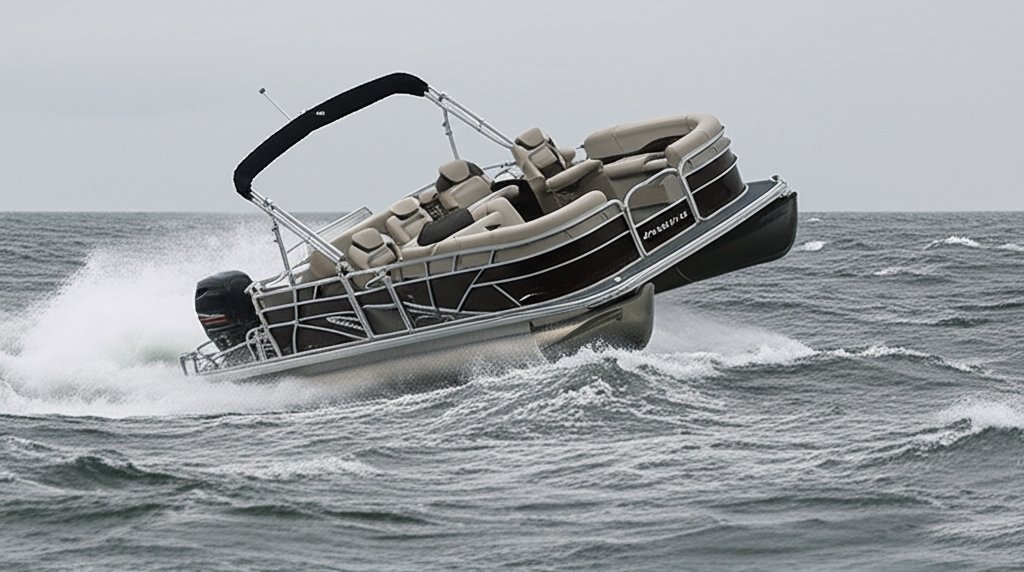
Before you commit to pontoon ownership, you should understand the real drawbacks. Here are the honest limitations:
1. Performance Limitations (Speed and Rough Water)
Pontoons top out around 35–40 mph even with large engines. They struggle in rough, choppy water where V-hulls excel. If you want to ski at 30+ mph or boat in open ocean swells, a pontoon will frustrate you. Bowriders and center consoles are better choices for performance-focused boaters.
2. Storage Challenges (Wide Beam)
A 22-foot pontoon is typically 8.5–9 feet wide. If your driveway is narrow or you live in an apartment, home storage is impossible. This forces you to dry stack or wet slip, which costs $1,800–$14,400/year. A narrower boat (20 feet wide) would fit more easily.
3. Depreciation on Luxury Models (You Pay Premium, Lose It Fast)
A $90,000 tritoon may only be worth $50,000–$60,000 after 5 years. Luxury pontoons depreciate faster than practical ones because the luxury features and finishes fade quickly. Budget brands hold a similar percentage but on lower absolute dollars.
4. Vinyl and Upholstery Deterioration (Especially in Sun)
Pontoon furniture is vinyl and marine carpet, which fade, crack, and mildew in sun. After 5–10 years, reupholstering costs $3,000–$5,000. In tropical climates, UV damage is relentless. Covers help but add cost and effort.
5. Corrosion on Aluminum Tubes (Saltwater Risk)
Aluminum pontoon tubes corrode in saltwater unless you use zinc anodes, rinse regularly, and apply protective coatings. Galvanic corrosion can damage tubes unpredictably. Saltwater pontoon ownership requires serious maintenance discipline and cost ($25–$50% higher annual maintenance than freshwater).
6. Limited Rough Water Capability
Even tritoons with lifting strakes aren't designed for open ocean or large bay swells. If your boating area frequently has whitecaps or 2+ foot swells, a pontoon will be uncomfortable and potentially unsafe. You'll need a center console or offshore-capable boat.
7. Resale Challenges on Budget Brands
Sun Tracker and budget brand pontoons are plentiful on the used market. Finding a buyer for a 7–10 year old budget pontoon can take months. Buyers negotiate hard because inventory is abundant. Premium brands (Bennington, Harris) sell faster.
8. Seasonal Storage Costs in Northern States
If you own in the Northeast or Midwest, 5–7 months of winter storage costs $1,200–$2,000 annually. Winterization adds $400–$800. This is a large annual cost for part-time use. A boat club or renting becomes more attractive in cold climates.
Bottom Line on Disadvantages: Pontoons are perfect for calm-water, family-focused boating. They're limited for performance, rough water, and serious watersports. Be honest about how you'll actually use your boat before buying. Many people buy pontoons expecting to go fast or boat offshore, then regret the purchase when the boat doesn't deliver.
"Pontoon boats have flat-bottomed hulls that are designed to rest on the surface of the water, and for this reason, they are not very well-suited to rough conditions. By contrast, seafaring vessels usually feature V-shaped hulls that can slice through waves while keeping the boat stable."
— Barletta Pontoon Boats: Can Pontoon Boats Handle Rough Water?
Frequently Asked Questions
How much does it cost to own a pontoon boat per year?
A 22-foot pontoon costs between $5,000 and $19,000 annually, depending on storage type, insurance rates, fuel consumption, and maintenance needs. This includes routine maintenance, insurance, storage, and fuel but excludes financing costs and depreciation. Add financing and depreciation, and your true annual cost can reach $25,000–$35,000.
Is a pontoon or tritoon cheaper to own?
Pontoons are cheaper to own. Tritoons cost 15–25% more annually due to higher purchase prices, larger engines, greater fuel consumption, and higher insurance rates. A comparable tritoon costs $7,000–$24,000 per year versus $5,000–$19,000 for a pontoon.
What size engine do I need for a pontoon?
Most 22-foot pontoons use 90–150 HP engines for comfortable cruising and light watersports. Tritoons and performance pontoons may use 150–300+ HP engines. Choose based on your intended use: casual cruising requires less power than watersports or hauling heavy loads. Fuel consumption and insurance increase significantly with larger engines.
How much fuel does a pontoon use per hour?
Pontoons typically consume 4–8 GPH (gallons per hour) at cruise speed, depending on engine size and load. Tritoons consume 6–12 GPH. At current fuel prices (around $3–$4 per gallon), expect to spend $12–$48 per hour on fuel. Budget about $1,400–$2,800 annually for 100–150 hours of boating.
What pontoon brand holds its value best?
Premium brands like Bennington, Harris, and Manitou retain 72–80% of their value after 3 years and 58–68% after 5 years. Mid-range brands like Godfrey and Sylvan retain 65–73% after 3 years. Budget brands like Sun Tracker retain 52–62% after 3 years. Premium boats hold value better due to build quality, owner loyalty, and strong demand.
How much does pontoon insurance cost?
Pontoon insurance ranges from $275 to $1,800 per year, depending on boat value, your location, and coverage type. A $50,000 pontoon typically costs $350–$1,200 annually. Pontoons have lower insurance rates than bowriders or center consoles due to their safer vessel profile, lower speeds, and family-oriented use.
Can I store a pontoon at home on a trailer?
Yes, if you have space and no HOA restrictions. Home storage is the cheapest option (often free) and gives you flexibility. However, check local zoning laws, deed restrictions, and ensure your driveway can handle the weight. Covered storage or tarps protect from UV and weather. Many residential areas prohibit boat storage—verify before purchasing.
Is a pontoon or bowrider better for a family?
Pontoons are typically better for families because they offer stable, spacious platforms with ample seating, lower insurance costs, easier boarding, and better comfort for non-drivers. Bowriders are faster and better for watersports but have less seating space, higher insurance rates, and more tiring for novice boaters.
What should I budget for my first year of pontoon ownership?
Budget $5,000–$19,000 for your first year of operating costs, plus your purchase price. This covers insurance ($275–$1,800), storage ($0–$14,400), fuel ($1,500–$4,000), and maintenance ($800–$3,500). If financing, add $5,000–$8,000+ annually in loan payments. Total first-year cost (including purchase) typically ranges from $30,000–$100,000.
Should I buy a new or used pontoon?
Buy used if you want lower cost and less depreciation hit. Buy new if you want warranty protection and latest features. A 5-year-old pontoon costs 40–50% less than new and has most depreciation already absorbed. A 2–3 year used boat often offers the best value: fresh warranty, latest technology, 30–40% discount from new price.
Pontoon-Specific Glossary
Bimini Top: A retractable or fixed canvas canopy that provides sun and rain protection. Most pontoons include a basic bimini top; premium canvas and frames cost $1,500–$3,500 to upgrade.
Changing Room: An enclosed cabin space with a door on some larger pontoons (24+ feet) that provides privacy and weather protection. Adds $2,000–$4,000 to cost.
Cross Members: The horizontal support structures connecting the pontoon tubes that provide structural integrity and mounting points for the deck.
Deck: The walking/seating surface of the pontoon, typically made of marine plywood, vinyl-covered, or composite materials.
Dry Stack: An indoor, climate-controlled storage facility where boats are stored in vertical racks. Most efficient space use, protects from weather. Costs $150–$300/month.
Fence/Rail: The safety railings around the perimeter of the pontoon deck, typically aluminum or stainless steel.
Furniture Package: The upholstered seating, including captain's chair, loungers, and bench seating. Premium packages use higher-grade vinyl and foam. Upgrade: $2,000–$4,000.
Galvanic Corrosion: Electrochemical corrosion that occurs when two different metals (aluminum tubes and steel or brass fittings) contact saltwater. Zinc anodes sacrificially corrode to prevent damage to tubes.
Gate: The rear access gate that opens to allow entry/exit and equipment loading. Most pontoons have a single rear gate; some dual-gate designs have side access.
GPH: Gallons Per Hour of fuel consumption at a given throttle position. Pontoons typically cruise at 4–8 GPH; tritoons 6–12 GPH.
Lifting Strakes: Hydrodynamic fins on the bottom of pontoon tubes that increase lift, improving speed, handling, and fuel economy. Aftermarket upgrade: $2,500–$4,500.
Log/Tube/Pontoon: All terms for the same thing—the cylindrical flotation chambers that give pontoon boats their name and flotation. Standard pontoons have 2; tritoons have 3.
M-Bracket: The mounting structure that connects the motor and lower unit to the transom. Quality and adjustability affect performance.
Nose Cone: The aerodynamic cover at the front of the pontoon tubes. Improves appearance and hydrodynamics. Can be painted or metallic. Damage is cosmetic but worth protecting.
Performance Package: A collection of upgrades (lifting strakes, performance tubes, hydraulic steering, larger engine) designed to improve speed and handling. Usually offered at purchase only.
Riser: The vertical post that supports the bimini top frame.
SeaDek: A premium, non-slip marine flooring product made from closed-cell foam. More comfortable and durable than basic deck material. Upgrade: $1,500–$3,000.
Ski Tow Bar: A reinforced tow bar mounted on the back of the pontoon for pulling water skiers or wakeboarders. Standard on most models; upgrade to tower bar for improved ergonomics: $800–$1,500.
Tritoon: A 3-tube pontoon (also called a triple-tube or three-log pontoon). Offers improved stability, greater horsepower capacity, and better rough-water handling compared to 2-tube pontoons.
Underskin: A decorative and hydrodynamic covering that goes underneath the pontoon tubes, creating a seamless bottom appearance. Upgrade: $3,000–$5,500.
Wet Slip: A mooring space in water where your boat floats year-round. Provides quick access and eliminates launch wait times but exposes the boat to weather and saltwater corrosion. Cost: $300–$1,200/month depending on location.
Zinc Anode: A sacrificial metal bar installed on the lower unit and tubes that electrochemically corrodes to protect aluminum from galvanic corrosion in saltwater. Must be replaced annually in saltwater use. Cost: $40–$100 each.
Your Personal Pontoon Ownership Cost Worksheet
Use this worksheet to calculate your actual, personalized ownership costs based on your specific situation:
Part 1: Purchase & Financing
| Item | Your Number |
|---|---|
| Purchase Price (new or used) | $_________ |
| Sales Tax (5–8%) | $_________ |
| Down Payment | $_________ |
| Loan Amount (Purchase + Tax – Down Payment) | $_________ |
| Annual Loan Payment (if financing) | $_________ |
| Depreciation (Year 1: 15–20%; Years 2–5: 8–12%/yr) | $_________ |
| Subtotal (Purchase + Depreciation) | $_________ |
Part 2: Annual Operating Costs
| Cost Category | Your Number |
|---|---|
| Storage (annual, dry stack or slip cost) | $_________ |
| Insurance (annual) | $_________ |
| Fuel (Hours/yr × GPH × $/gallon) | $_________ |
| Maintenance (use 10% of boat value rule) | $_________ |
| Winterization (if applicable, professional service) | $_________ |
| Registration/Documentation | $_________ |
| Mooring/Dock Fees (if separate from storage) | $_________ |
| Subtotal (Annual Operating) | $_________ |
Your Annual Totals
| Line Item | Amount |
|---|---|
| Loan Payments (if financed) | $_________ |
| Operating Costs (storage, insurance, fuel, maintenance) | $_________ |
| Depreciation (estimated) | $_________ |
| TOTAL ANNUAL COST | $_________ |
| Divided by 365 days | $_______/day |
| Divided by your annual usage (_____ days) | $_______/day (actual) |
Pro Tip: Add a 20% safety margin to your maintenance estimate. Boats always need more maintenance than you expect. If your calculated annual cost is $10,000, budget $12,000. This cushion prevents surprise bills from derailing your boat fund.
Conclusion: Is Pontoon Ownership Right for You?
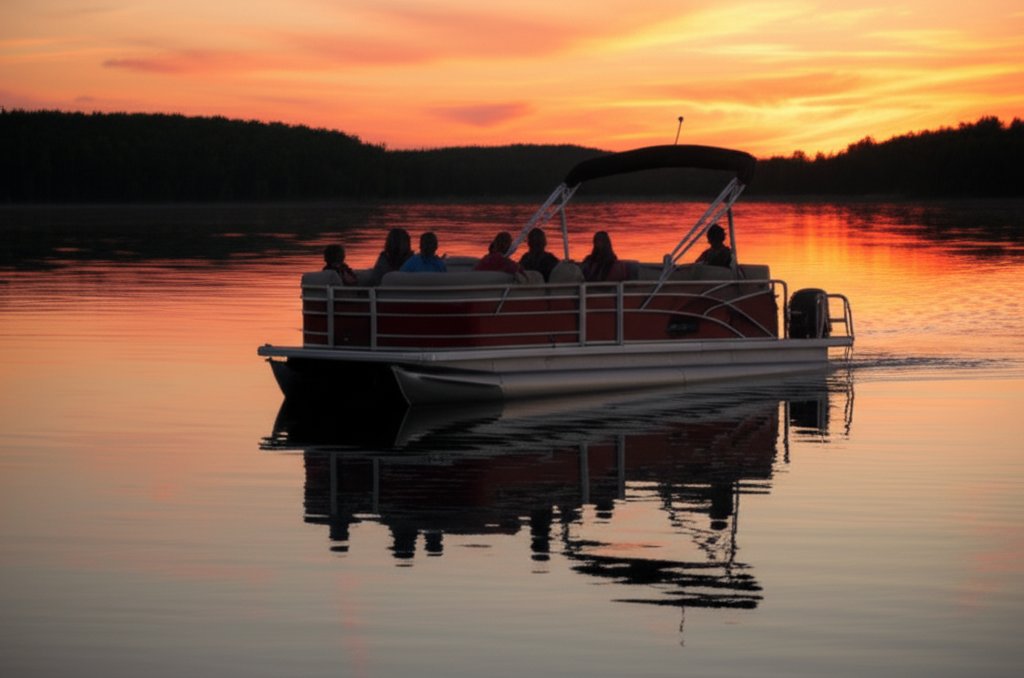
Pontoon boat ownership costs $5,000–$19,000 annually in direct expenses, plus purchase price and depreciation. In true cost terms (including depreciation and financing), you'll spend $25,000–$35,000 per year on a mid-range pontoon. But these numbers tell only part of the story.
Pontoon boats offer something rare: they let families spend quality time together on the water safely, affordably (compared to other boats), and accessibly (easy boarding, spacious seating, stable platform). No other boat type is as family-friendly, forgiving for novice boaters, or practical for casual, leisurely days on the water.
Key Takeaways
- Location matters most. Midwest lake boating costs 30–40% less than coastal boating. If you live in a low-cost region, pontoon ownership is affordable. If you're in South Florida or Southern California, expect 2–3x higher costs.
- Storage is your biggest variable. Home trailer storage ($0/yr) versus covered wet slip ($14,400/yr) can swing your total cost by $350–$400/month. This is more important than any other variable except purchase price.
- Engine choice drives fuel and maintenance costs. A 90 HP engine burns half the fuel and needs half the maintenance of a 200 HP engine. Choose the smallest engine that meets your actual needs.
- Brand matters for resale value. Premium brands (Bennington, Harris) hold 60–75% of value after 5 years. Budget brands (Sun Tracker) hold 50–60%. If you plan to own 10+ years, buy premium. If you'll own 5 years, any brand works.
- Financing increases true cost by 40–60%. A $50,000 boat costs $8,000–$11,000 to own annually. Financed over 10 years at 8%, it costs $14,000–$18,000 annually. The interest compounds your true cost.
- Tritoons cost 15–25% more to own. The extra tube, larger engines, and higher insurance add up. Only buy a tritoon if you actually need the performance (rough water, watersports, speed). Otherwise, save the $1,500–$3,000 per year and buy a standard pontoon.
- New vs. used: buy 3–5 year old. A 5-year-old pontoon costs 40–50% less than new but retains most technology and features. You avoid the 20% year-one depreciation while getting warranty support that new cars have already absorbed.
- Budget for maintenance discipline. Set aside 10% of your boat's value annually. A $50,000 boat = $5,000/year maintenance budget. This prevents surprise $2,000–$5,000 repairs from derailing your finances.
Is Pontoon Ownership for You?
YES, if: You live in a low-cost region (Midwest or non-coastal), you have home storage space, you plan to use your boat 15–25+ days per year, you have $30,000–$60,000 to invest upfront, you enjoy leisurely family days on the water, and you're willing to commit 5–10 years to ownership.
NO, if: You live in an expensive coastal area, you'll use the boat fewer than 10 days per year, you want high-speed watersports, you need rough-water capability, or you're not prepared to maintain and winterize a boat.
"When pursuing budget-friendly options, don't forget to factor in the total cost of ownership. A great deal on a boat that requires extensive maintenance might end up being more expensive in the long run."
— Captain's Preferred Products: Average Pontoon Boat Prices in 2025
For More Information
This guide is a living document updated quarterly with current market data, insurance rates, and financing costs. We verify all prices, rates, and cost data against primary sources (Boat Trader, NMMA, manufacturer websites, and marina operators).
Have questions about your specific situation? Contact us at [email protected] and let us know what boat and region you're considering. We may feature your scenario in our next quarterly update.
— The Boatwork Editorial Team
Sources and References
Market Data & Pricing
- Boat Trader — Used and new boat listings with historical price data
- National Marine Manufacturers Association (NMMA) — Industry statistics and market reports
- J.D. Power — Vehicle and boat resale value predictions
- GoDownsize — Boat pricing and cost analysis
- NADA Guides — Used boat pricing and depreciation
- Boatzon — Boat comparisons and resale value analysis
Boat Manufacturers
- Bennington Marine — Premium pontoon boats and specifications
- Harris Boats — Performance pontoon designs and pricing
- Manitou Pontoon Boats — Innovation-focused pontoons
- Sun Tracker Boats — Budget-friendly pontoon options
- Godfrey Pontoon Boats — Mid-range pontoon options
- Sylvan Marine — Saltwater-focused pontoons
Insurance & Marina Services
- GEICO Marine — Boat insurance quotes and coverage options
- Progressive Boat Insurance — Competitive insurance rates
- BoatUS — Boat insurance, financing, and member discounts
- InsureBetter — Online boat insurance
- Norvos Insurance — Specialty boat insurance
- State Farm — Bundle discounts for boat insurance
Financing
- Trident Funding — Marine boat loans and rates
- Essex Credit — Specialized marine financing
- Bankrate — Loan calculator and rate comparisons
- LightStream (BoatUS) — Unsecured personal loans for boats
Boat Clubs
- Freedom Boat Club — Membership boat sharing program
- Carefree Boat Club — Alternative boat club membership
- Boatsetter — Peer-to-peer boat rental platform
- GetMyBoat — Boat rental and sharing platform
Fuel & Operational Costs
- Boat Fuel Economy — MPG and GPH calculations
- U.S. Energy Information Administration (EIA) — Fuel price tracking
- Better Boat — Maintenance guides and supplies
Owner Communities & Forums
- Pontoon Forums — Active pontoon owner community
- Club Bennington — Bennington owner network
- The Hull Truth — General boating forum and discussions
- iBoats — Boating discussion and advice
- Pontoon Opedia — Pontoon encyclopedia and guides
Vehicles & Towing
- Edmunds — Vehicle specifications and tow ratings
Education & Discovery
- Discover Boating — Boating guides and resources