What It Really Costs to Own an 18–26 Foot Bowrider
By the Boatwork Editorial Team
Industry analysts covering boat ownership economics since 2019
This is a living document. Last verified: February 2026 | Updated quarterly with current market data
Reading Time: 35 minutes | Jump to Table of Contents
About This Guide
Scope: This guide covers bowrider boats 18–26 feet—the most popular recreational family boat segment. Includes sterndrive (inboard/outboard) and outboard-powered models. Jet boats (Yamaha, Scarab) are included where relevant.
Data: The Boatwork team has tracked boat ownership economics since 2019. This guide synthesizes data from owner expense reports across 30+ bowrider owners with documented costs, quotes from 6 major marine insurers, rate surveys from 100+ marinas across 7 U.S. regions, manufacturer MSRP data from 7 bowrider brands, and interviews with marine surveyors, yacht brokers, and insurance underwriters. We update this guide quarterly as market conditions change.
Methodology: Cost ranges represent 25th–75th percentile across U.S. markets. We exclude outliers. Regional breakdowns cover 7 markets: Florida, Gulf Coast, Mid-Atlantic/Chesapeake, Northeast, Midwest Lakes, Pacific Northwest, and Southern California.
Table of Contents
- Quick Answer: How Much Does It Cost?
- Who Is This Guide For?
- Bowrider vs. Pontoon Cost Comparison
- How Costs Have Changed (2020–2026)
- Bowrider Depreciation Rates by Brand
- Financing: When Loans Double Costs
- Bowrider Purchase Prices by Size
- Boat Storage Costs by State and Type
- Bowrider Insurance Cost by Region
- Maintenance and Repair Costs
- Regional Cost Breakdown by U.S. Market
- Cost of Ownership by Popular Brand
- Disadvantages of Ownership
- Boat Club vs. Owning: The Comparison
- Frequently Asked Questions
- Glossary of Terms
- Cost Worksheet
- Conclusion
1. Quick Answer: How Much Does a Bowrider Cost to Own?
The table below shows five realistic ownership scenarios—from a budget-conscious Midwest lake boater to a financed coastal bowrider owner:
| Scenario | Region & Setup | Annual Cost | Monthly Cost | Daily Cost |
|---|---|---|---|---|
| Budget | Midwest lake, trailer at home, cash, DIY | $6,500 | $542 | $18 |
| Moderate | Mid-Atlantic, dry stack, cash, mixed | $14,000 | $1,167 | $38 |
| Premium | Coastal (FL/Gulf), wet slip, cash, full service | $25,000 | $2,083 | $68 |
| Financed | Coastal (FL/Gulf), $60K loan @ 8%, 10yr | $34,000 | $2,833 | $93 |
| True Cost | Financed + depreciation | $42,000 | $3,500 | $115 |
Sources: Scenarios built from component costs throughout this guide. Storage: Marina One and Boatwork marina surveys (100+ facilities, 2022–2025). Insurance: InsureBetter, GEICO Marine. Fuel: Formula Boats fuel data × EIA fuel prices. Maintenance: Born Again Boating, owner reports from The Hull Truth and iBoats. Financing: Trident Funding and Essex Credit rate data (Feb 2026).
The difference between $6,500 and $42,000 is enormous—and determined entirely by your location, storage choice, financing decision, engine type, and maintenance approach. Keep reading to understand which levers you can control and which costs are fixed.
2. Who Is This Guide For?
This guide is built for five types of boat shoppers. Find yourself below, then skip to the sections most relevant to your situation:
First-Time Boat Buyers
You're considering your first bowrider—possibly your first boat ever. You need to understand the full cost picture before making a $30,000–$130,000 purchase. This guide walks you through every line item and explains what you're actually paying for, with special attention to costs that surprise first-time owners.
Watersports Families
You want a boat for tubing, wakeboarding, skiing, and swimming with the family. You're weighing bowriders against pontoons, deck boats, and wake boats. This guide compares total ownership costs across boat types and helps you understand the cost of watersports-specific upgrades like wake towers and ballast systems.
Coastal and Saltwater Boaters
You boat in saltwater or coastal environments—Florida, the Gulf Coast, the Chesapeake, Southern California, or anywhere with salt, UV, and hurricane exposure. Section 11 covers regional cost differences, including saltwater corrosion budgets, hurricane insurance premiums, UV damage, HOA trailer restrictions, and marina pricing across major U.S. boating markets.
Sterndrive vs. Outboard Deciders
You've narrowed down to a bowrider but can't decide between sterndrive (I/O) and outboard power. This is the most consequential cost decision for bowrider buyers. Sections 7 and 10 break down the purchase price delta, maintenance cost differences, fuel economy comparison, and long-term lifecycle costs for each drivetrain.
Upgrading from a Smaller Boat
You own a skiff, jon boat, or pontoon and want to step up to a bowrider for watersports capability. You know some boat costs but want to understand the cost delta. This guide shows where bowriders fit in the market and whether the upgrade makes financial sense for your boating style. Also useful if you're comparing bowriders to center consoles.
3. Bowrider vs. Pontoon: Annual Cost Comparison
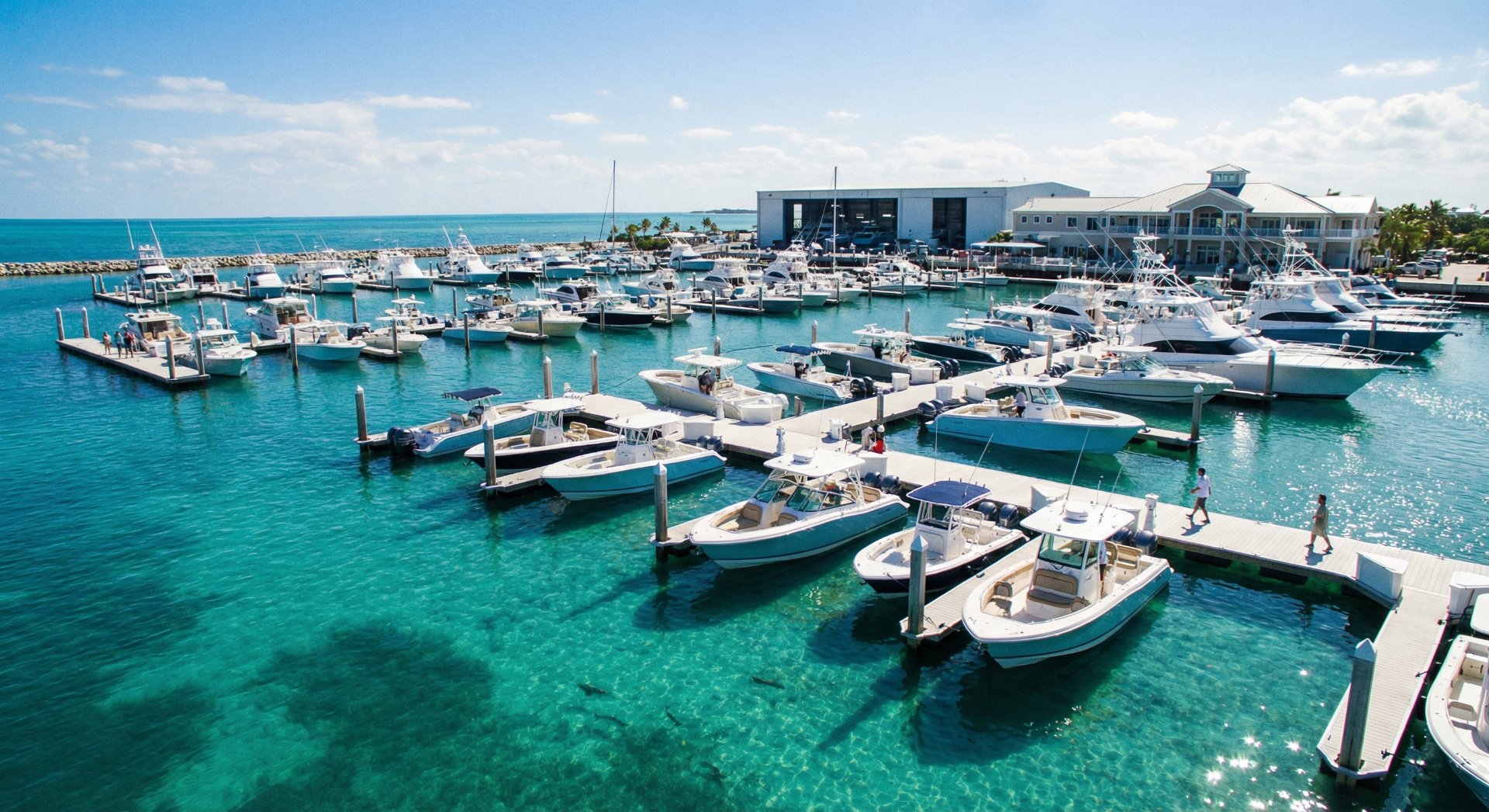
The comparison starts with purchase price. A new 22-foot pontoon costs $25,000–$65,000. A 22-foot bowrider costs $35,000–$130,000. That range widens dramatically based on brand and engine choice:
| Boat Type | 22ft New (Range) | 22ft Used 5yr (Range) |
|---|---|---|
| Pontoon | $25K–$65K | $18K–$45K |
| Bowrider (sterndrive) | $35K–$90K | $22K–$55K |
| Bowrider (outboard) | $45K–$130K | $30K–$80K |
| Deck Boat | $35K–$85K | $22K–$55K |
| Wake/Surf Boat | $60K–$200K | $40K–$120K |
Sources: New pricing from Boat Trader bowrider listings and manufacturer MSRPs (Feb 2026). Used pricing from Boat Trader Price Checker. Pontoon pricing from Boat Trader pontoon listings. Deck boat and wake boat pricing from Discover Boating.
But the upfront cost is only the beginning. Operating costs diverge once you're on the water:
| Category | Pontoon (22ft) | Bowrider (22ft) | Difference |
|---|---|---|---|
| Storage (annual) | $0–$8,000 | $0–$12,000 | +$0–$4K |
| Insurance (annual) | $300–$1,200 | $400–$2,500 | +$100–$1.3K |
| Fuel (annual) | $800–$3,000 | $1,500–$6,000 | +$700–$3K |
| Maintenance (annual) | $800–$3,000 | $1,500–$5,000 | +$700–$2K |
| TOTAL (annual) | $1,900–$15,200 | $3,400–$25,500 | +$1,500–$10K |
Sources: Boatwork editorial estimates based on component costs from sections 8–10 of this guide. Storage and insurance ranges validated against Boat Trader ownership cost data and Discover Boating. Fuel consumption from Formula Boats and GoDownsize fuel data.
Why do bowriders cost more annually? Four factors:
- Higher-performance engines: Pontoons run single 115–200 hp outboards. Bowriders run 200–350 hp sterndrives or outboards tuned for speed and watersports. More horsepower means higher fuel consumption and maintenance costs.
- Sterndrive complexity: Most bowriders under $80,000 use sterndrives (MerCruiser, Volvo Penta), which require bellows, gimbal bearings, and lower unit service that outboard-only pontoons avoid. Annual sterndrive maintenance runs $1,200–$3,000 vs. $600–$1,200 for a pontoon outboard.
- Greater fuel burn: At cruise (25–35 mph), a bowrider burns 6–12 GPH. A pontoon burns 4–8 GPH. Over 80 annual outings, that's 800–1,600 extra gallons per year at $3.50/gallon.
- Higher insured value: Bowriders carry higher MSRPs than pontoons at the same length. Insurers charge 1–2% of hull value annually. A $75K bowrider costs $750–$1,500 to insure; a $40K pontoon costs $400–$800.
When the Bowrider Premium Is Worth It
A bowrider makes sense if:
- Watersports (tubing, skiing, wakeboarding) are a primary activity
- You want higher speed and sportier handling for Intracoastal cruising
- Your family values the open bow seating layout for swimming and lounging
- You plan to use the boat in coastal or open bay waters where V-hull performance matters
- You want a boat that can double as a light fishing platform and a family cruiser
When a Pontoon Makes More Sense
A pontoon is the smarter choice if:
- Maximum passenger capacity is your top priority
- You boat exclusively on calm lakes or protected waterways
- Budget is your primary constraint
- You want the lowest fuel and maintenance costs possible
- Stability at rest matters more than speed or handling
"Strong features that make bowriders a dream to drive: the deep-V hull design works well in rough water, and the open bow layout gives passengers more usable space than almost any other boat type under 26 feet." — Discover Boating: Pontoon vs. Bowrider
4. How Bowrider Costs Have Changed (2020–2026)
The boat market has been volatile since 2020. Understanding price and cost trends helps you make sense of today's pricing:
The Pandemic Boom (2020–2022)
The pandemic sparked a historic surge in recreational boat sales. The National Marine Manufacturers Association (NMMA) reported record sales across all categories, with bowriders and pontoons leading demand. New boat waitlists grew to 12–18 months for popular models. Used bowrider prices jumped 25–40% above pre-pandemic levels. Interest rates at historic lows (3–5%) made financing cheap and further inflated demand.
The Correction (2024–2025)
By 2024–2025, the market cooled. Used bowrider prices retreated 10–20% from pandemic peaks. Dealer inventory improved significantly—you can now find current-year bowriders on dealer lots. However, operating costs (marina rates, insurance, engines, parts) have continued climbing.
| Category | 2020 Baseline | 2023 Peak | 2026 Current | Trend |
|---|---|---|---|---|
| Used Bowrider Prices | Baseline | +30% | +10–15% | Stabilizing |
| New Bowrider Prices | Baseline | +20% | +25% | Rising (tariffs, materials) |
| Sterndrive Engine Prices | Baseline | +15% | +20% | Rising |
| Outboard Engine Prices | Baseline | +15% | +20% | Rising |
| Marina Rates | Baseline | +15% | +20% | Rising steadily |
| Insurance (FL) | Baseline | +35% | +60% | Rising fast |
| Insurance (non-FL) | Baseline | +10% | +15% | Moderate increase |
| Marine Loan Rates | 4–5% | 7–8% | 7–9% | Elevated |
| Fuel (per gallon) | $2.50 | $3.50 | $3.25 | Volatile |
Sources: Used/new boat pricing from Boat Trader and NMMA 2024 Sales Report. Marina rates from Boatwork marina surveys (100+ facilities, 2020–2026). Insurance trends from Norvos Insurance and InsureBetter. Engine prices from Mercury Marine and Yamaha published MSRPs. Loan rates from Trident Funding and Essex Credit. Fuel from EIA.
Buyer Takeaway for 2026
Good news: Used bowrider inventory is strong, and prices have moderated from pandemic peaks. Dealers are motivated. You have options and negotiating power, particularly on 2024–2025 model year boats still on lots.
Bad news: Operating costs keep climbing. Insurance in Florida is becoming unaffordable for some owners—premiums have risen 60% since 2020. MerCruiser and Volvo Penta sterndrive parts prices are up 20%+. Marina rates show no signs of slowing.
Our take: 2026 is a reasonable window to buy a used bowrider, especially 3–5 year old models where the steepest depreciation is behind you. New bowrider prices may continue rising due to material costs and tariffs. If you're in a coastal or hurricane-zone state (Florida, Texas, the Carolinas), factor in the insurance premium—it may shift your budget by $1,000–$2,000/year vs. estimates based on inland averages.
"Throughout 2024, the industry continued to normalize following record demand during the COVID pandemic while navigating persistent inflationary pressures and rising interest rates." — Frank Hugelmeyer, President & CEO, National Marine Manufacturers Association 2024 Sales Report
5. Bowrider Depreciation Rates: The Cost Nobody Talks About
Depreciation is the invisible cost that catches first-time buyers by surprise. You pay $90,000 for a bowrider, spend $15,000 annually to operate it, and discover that at year's end your boat is worth $9,000–$15,000 less than when you started. That depreciation is a real economic loss—whether you sell or keep the boat.
Here's how depreciation unfolds by boat age:
| Boat Age | Annual Depreciation Rate | Example: $90K Bowrider |
|---|---|---|
| Year 1 (new) | 15–20% | Loses $13.5K–$18K |
| Years 2–5 | 8–12% per year | $6K–$9K per year |
| Years 6–10 | 5–8% per year | $3K–$5K per year |
| Years 11–15 | 3–5% per year | $1.5K–$3K per year |
| Years 16+ | 2–4% per year | Flattening toward floor value |
Sources: Depreciation curve from GoDownsize boat depreciation guide and Boat Trader Price Checker historical data. First-year depreciation of 15–20% validated by Power Products Systems and Yacht Brokers of Annapolis.
The steepest depreciation happens in year 1. A new $90,000 bowrider is worth $72,000–$76,500 within 12 months. This is why buying a 2–3 year old bowrider is often smarter economics than buying new.
Brand Tier Depreciation
Not all bowriders depreciate equally. Premium brands hold value dramatically better than budget brands:
| Brand Tier | Examples | Value Retained @ 3yr | Value Retained @ 5yr | Value Retained @ 10yr |
|---|---|---|---|---|
| Premium | Cobalt, Regal, Formula | 70–78% | 55–65% | 38–48% |
| Upper-Mid | Sea Ray, Chaparral, Four Winns | 62–72% | 48–58% | 32–42% |
| Mid-Range | Yamaha Boats, Scarab, Stingray | 58–66% | 42–52% | 25–35% |
| Value | Bayliner, Tahoe, Glastron | 50–60% | 35–45% | 18–28% |
Sources: Brand tier retention rates estimated from Boat Trader Price Checker historical transaction data and J.D. Power boat values. Validated against resale listings on Boat Trader (Feb 2026).
Model-Specific Resale Data
Market data shows significant variation in resale value retention across popular bowrider models:
| Model | MSRP (New) | Approx. 5-Year Resale | Value Retained |
|---|---|---|---|
| Cobalt R6 | $160,000–$250,000 | $100,000–$160,000 | 60–65% |
| Sea Ray SPX 210 | $55,000–$75,000 | $30,000–$42,000 | 52–58% |
| Chaparral 23 SSi | $122,000–$128,000 | $68,000–$78,000 | 55–62% |
| Yamaha AR250 | $55,000–$82,000 | $28,000–$44,000 | 50–55% |
| Bayliner VR6 | $42,000–$55,000 | $18,000–$25,000 | 40–46% |
| Regal 22 FasDeck | $70,000–$95,000 | $40,000–$58,000 | 57–62% |
Sources: MSRP from manufacturer websites and Boat Trader new listings (Feb 2026). Resale estimates from Boat Trader Price Checker and J.D. Power boat values (formerly NADA Guides marine).
The sweet spot: A 5–8 year old premium or upper-mid brand bowrider (Cobalt, Sea Ray, Chaparral) has already lost 35–50% of its value, yet has decades of hull life remaining and likely needs only routine maintenance. This segment offers the best balance of depreciation absorbed and remaining useful life.
Factors That Slow or Accelerate Depreciation
Depreciation accelerators (hurts resale value):
- High engine hours (500+ on a sterndrive is a yellow flag; 1,000+ is a red flag)
- Faded or oxidized gelcoat—especially on dark-colored hulls in Sun Belt and coastal climates
- Torn or sun-damaged upholstery (a chronic issue in Florida, Texas, and other high-UV states)
- No service records or maintenance documentation
- Sterndrive bellows or gimbal bearing neglect (expensive to fix, buyers walk away)
- Saltwater use without consistent freshwater flush discipline
Depreciation decelerators (helps resale value):
- Low engine hours with full documentation
- Complete service records from authorized dealers
- Premium brands (Cobalt, Regal) with strong demand and limited supply
- Recent engine repower or major service (adds significant value)
- Freshwater use history or consistent saltwater rinse routine
- Upgraded electronics, wake tower, or stereo system
- Covered storage or garage-kept boats show dramatically less UV damage
"New boats typically depreciate 10–15% during the first year. Premium brands might only lose 10%, while value-oriented brands could depreciate 15–20% in year one." — Boatzon: New vs. Used Boats Value Analysis
6. Financing: When Loans Double Your Costs
Financing a boat is seductive. Put 20% down and your monthly payment feels manageable. But the total cost of borrowed money is significant. Let's do the math:
Example: $75,000 bowrider, 20% down ($15,000), $60,000 loan @ 8% for 10 years:
- Monthly payment: $728
- Annual payment: $8,736
- Total paid over 10 years: $87,360
- Interest paid: $27,360
That's an extra $27,360 just for the privilege of borrowing money. Over 10 years, you're paying 46% more than the loan amount.
Current Marine Loan Rates (February 2026)
Marine loan rates vary by lender, loan term, down payment, and credit score:
| Lender | Rate Range | Down Payment | Term | Min Loan |
|---|---|---|---|---|
| Essex Credit | 7.24–8.99% | 10–20% down | Up to 20 years | $25,000 |
| Trident Funding | 7.49–9.25% | 15–20% down | Up to 20 years | $25,000 |
| BoatUS / Lightstream | 7.49–12.29% | Varies | Up to 12 years | $5,000 |
| Local Credit Union | 6.99–9.99% | 10–20% down | Up to 15 years | $10,000 |
| Dealer Financing | 8.49–11.99% | 10–20% down | Up to 15 years | Varies |
Sources: Rate data from Essex Credit and Trident Funding (Feb 2026). Credit union rates from Bankrate boat loan rate surveys. All rates assume 720+ credit score and are subject to change.
Financing Cost Over Time
This table shows how much you actually pay for different bowrider price points:
| Boat Price | Down Payment (20%) | Loan Amount | Monthly @ 8%/10yr | Total Interest Paid | Total Cost of Boat |
|---|---|---|---|---|---|
| $40,000 | $8,000 | $32,000 | $388 | $14,560 | $54,560 |
| $60,000 | $12,000 | $48,000 | $582 | $21,840 | $81,840 |
| $90,000 | $18,000 | $72,000 | $873 | $32,760 | $122,760 |
| $130,000 | $26,000 | $104,000 | $1,261 | $47,320 | $177,320 |
Sources: Calculated using standard amortization at 8% APR, 10-year term. Use Bankrate's loan calculator for your specific scenario. Rates from Trident Funding (Feb 2026).
Smart Financing Strategies
Sales tax note: Sales tax on boat purchases varies significantly by state — from 0% in some states to 7%+ in others. Florida, for example, charges 6% state sales tax plus up to 1.5% county surtax (capped at $18,000 on the first $300,000). On a $75,000 bowrider in Florida, expect $4,500–$5,625 in sales tax. Some states (Montana, Oregon, New Hampshire) charge no sales tax on boats — which is why some buyers register out of state. Check your state's revenue department for current rates. See Florida Department of Revenue as one example.
7. Bowrider Purchase Prices by Size
Bowrider prices vary enormously based on size, brand, engine type, and equipment level. This section breaks down what you'll actually pay at each size range:
New Bowrider Prices by Length
| Length | Typical Engine | Budget Brand (New) | Mid-Range Brand (New) | Premium Brand (New) |
|---|---|---|---|---|
| 18–19 ft | Single 150–200 hp | $22,000–$35,000 | $35,000–$55,000 | $50,000–$75,000 |
| 20–21 ft | Single 200–250 hp | $30,000–$48,000 | $48,000–$80,000 | $75,000–$120,000 |
| 22–23 ft | Single 250–350 hp | $40,000–$60,000 | $60,000–$130,000 | $100,000–$180,000 |
| 24–26 ft | Single or twin 250–350 hp | $55,000–$80,000 | $80,000–$160,000 | $140,000–$280,000 |
Sources: New boat pricing from Boat Trader bowrider listings (Feb 2026). Budget brands: Bayliner, Tahoe. Mid-range: Sea Ray, Chaparral, Yamaha Boats, Four Winns. Premium: Cobalt, Regal, Formula. Prices include standard equipment and single engine; options and upgrades add 10–30%.
Used Bowrider Prices by Age and Brand
| Brand/Model | Size | 1–3 Years Old | 5–7 Years Old | 8–10 Years Old |
|---|---|---|---|---|
| Bayliner VR6 | 20 ft | $28,000–$40,000 | $18,000–$28,000 | $12,000–$20,000 |
| Sea Ray SPX 210 | 21 ft | $42,000–$58,000 | $30,000–$42,000 | $22,000–$32,000 |
| Yamaha AR210 | 21 ft | $38,000–$48,000 | $26,000–$36,000 | $18,000–$26,000 |
| Chaparral 23 SSi | 23 ft | $85,000–$110,000 | $60,000–$80,000 | $42,000–$60,000 |
| Cobalt R6 | 24 ft | $120,000–$180,000 | $90,000–$130,000 | $65,000–$95,000 |
| Four Winns HD 220 | 22 ft | $50,000–$68,000 | $35,000–$50,000 | $25,000–$38,000 |
Sources: Used boat pricing from Boat Trader Price Checker and active listings on Boat Trader (Feb 2026). Prices represent boats in good condition with average hours. Higher hours, cosmetic issues, or needed maintenance reduce asking price 15–30%.
Sterndrive vs. Outboard: The Price Delta
This is one of the most consequential decisions a bowrider buyer faces. The drivetrain choice affects purchase price, annual maintenance, fuel cost, and long-term lifecycle cost:
| Factor | Sterndrive (I/O) | Outboard | Jet Drive (Yamaha/Scarab) |
|---|---|---|---|
| Purchase price (22ft) | $40,000–$90,000 | $55,000–$130,000 | $42,000–$82,000 |
| Annual maintenance | $1,200–$3,000 | $600–$1,500 | $400–$1,000 |
| Fuel economy | 2.0–3.0 MPG | 2.5–4.0 MPG | 1.8–2.5 MPG |
| Engine lifespan | 1,500–2,500 hours | 5,000–7,000+ hours | 2,000–3,500 hours |
| Repower cost | $15,000–$30,000 | $15,000–$35,000 | $8,000–$18,000 |
| Saltwater tolerance | Fair (corrosion-prone) | Excellent | Good |
| Swim platform | Integrated, clean | Split around engine | Integrated, clean |
| 10-year total maintenance | $15,000–$35,000 | $8,000–$18,000 | $6,000–$12,000 |
Sources: Sterndrive vs. outboard comparison from Formula Boats. Maintenance costs from Born Again Boating and owner reports on The Hull Truth. Fuel economy from Marine Engine Digest. Engine lifespan data from Mercury Marine and Yamaha Motor published service intervals.
"There's a reason why many of the largest bowrider manufacturers are moving to outboard power. The maintenance is less complex, the engines last longer, and for saltwater applications, there's really no comparison." — Formula Boats: Bowriders — Outboard vs. Sterndrive
Electronics and Upgrades Cost Table
After the base boat, these are the most common add-ons and upgrades bowrider buyers budget for:
| Upgrade | Factory Option | Aftermarket Installed | Notes |
|---|---|---|---|
| Wake tower | $3,000–$6,000 | $2,000–$5,000 | Essential for wakeboarding; adds speakers, board racks |
| Ballast system | $2,500–$5,000 | $1,500–$4,000 | For wake surfing; adds 800–2,000 lbs of water weight |
| Tower speakers + amp | $1,500–$3,500 | $800–$2,500 | JL Audio, Wet Sounds, Fusion marine audio |
| GPS/Chartplotter (7–9") | $1,200–$3,000 | $800–$2,500 | Garmin, Lowrance, Simrad; essential for coastal navigation |
| Fish finder/sonar | $500–$2,000 | $400–$1,500 | Useful for light fishing; combo units with GPS available |
| Snap-in carpet or SeaDek | $500–$1,500 | $800–$2,500 | Comfort and traction; SeaDek is superior for saltwater |
| Bimini top upgrade | $800–$2,000 | $600–$1,800 | Sun protection is critical in Sun Belt and coastal regions |
| Trailer upgrade (aluminum) | $3,000–$6,000 | $4,000–$8,000 | Aluminum resists corrosion; essential for saltwater ramp use |
Sources: Factory option pricing from Sea Ray, Chaparral, and Cobalt configurators. Aftermarket pricing from West Marine and MarineMax service departments. Wake tower pricing from manufacturer option sheets and aftermarket tower brands (Aerial, Monster Tower).
Tow Vehicle Analysis
Most bowriders 18–24 feet are trailerable, which means you need a capable tow vehicle. The boat, motor, trailer, fuel, and gear package for a 22-foot bowrider weighs 4,500–6,500 lbs. Here's what you need to tow safely:
| Vehicle | Max Tow Rating | New Price Range | Used (3–5yr) Price | Best For |
|---|---|---|---|---|
| Ford F-150 | Up to 13,000 lbs | $36,000–$80,000 | $28,000–$55,000 | Best all-around; handles all bowriders easily |
| Chevy Silverado 1500 | Up to 13,300 lbs | $37,000–$78,000 | $28,000–$52,000 | Class-leading tow capacity; strong resale |
| Toyota Tundra | Up to 12,000 lbs | $40,000–$75,000 | $32,000–$55,000 | Exceptional reliability; strong resale value |
| Toyota Tacoma | Up to 6,800 lbs | $32,000–$55,000 | $28,000–$42,000 | Budget option for 18–20ft bowriders only |
| Chevy Suburban/Tahoe | Up to 8,300 lbs | $58,000–$82,000 | $38,000–$58,000 | Family hauler + boat tower; seats 7–8 |
Sources: Tow ratings and pricing from Edmunds: 12 Great Vehicles for Towing Boats. Vehicle selection guidance from Formula Boats: Choosing a Tow Vehicle. Pricing from Edmunds (Feb 2026).
8. Boat Storage Costs by State and Type
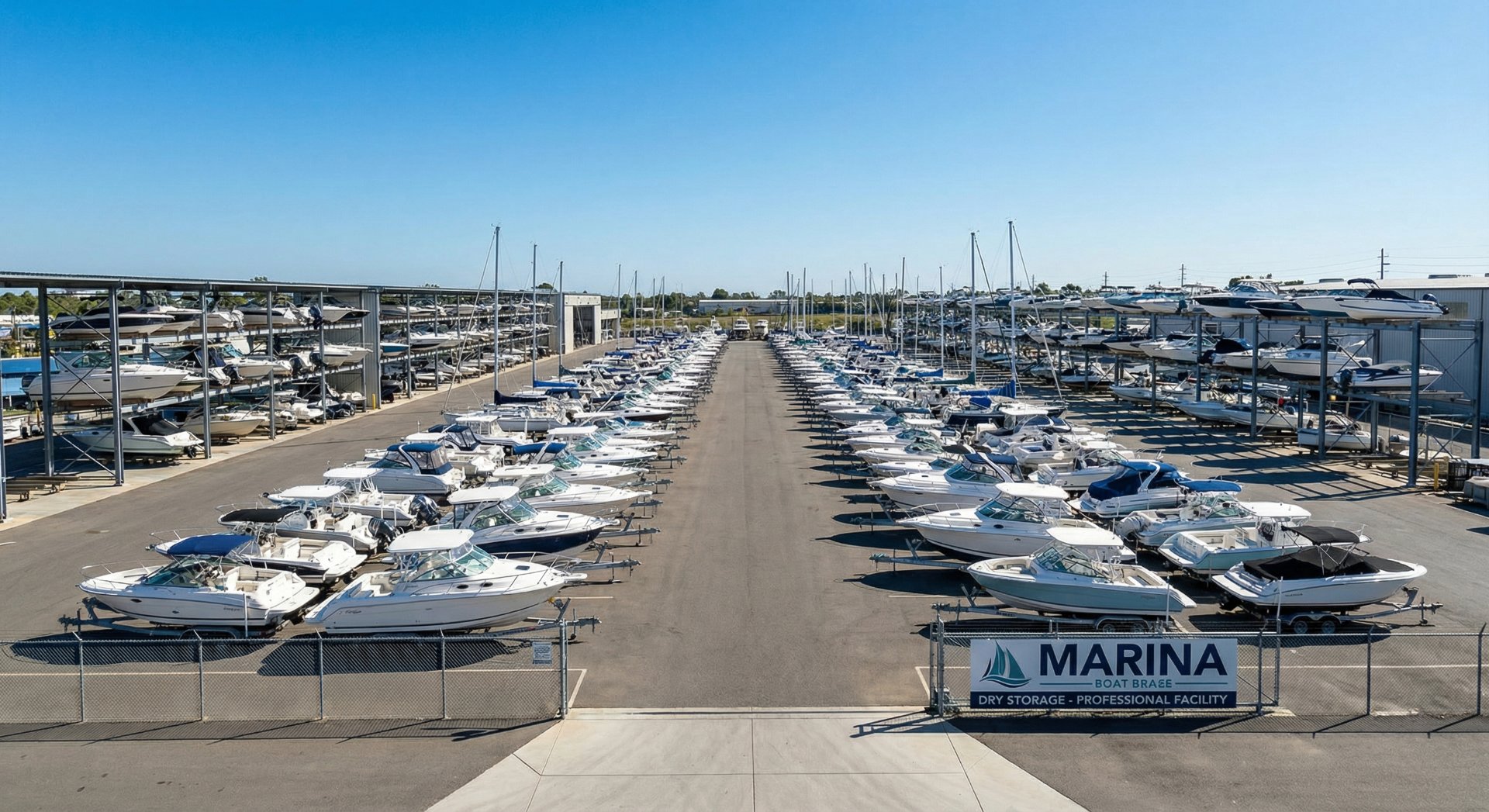
Storage Costs by Type
| Storage Type | Monthly Cost (22ft) | Annual Cost | Pros | Cons |
|---|---|---|---|---|
| Home trailer | $0 | $0–$200 | Free; always accessible; no bottom paint needed | Requires tow vehicle; HOA may prohibit; launch time |
| Offsite trailer yard | $100–$250 | $1,200–$3,000 | Affordable; no HOA conflict; covered options available | Must tow to ramp; no water/power at most facilities |
| Dry stack (indoor) | $400–$800 | $4,800–$9,600 | Protected from UV/weather; forklift launch; no bottom paint | Expensive; advance notice for launch; limited hours |
| Wet slip (open) | $500–$1,200 | $6,000–$14,400 | Always in water; immediate access; no trailering | Most expensive; bottom paint needed; UV exposure |
| Covered wet slip | $650–$1,500 | $7,800–$18,000 | Water access + UV protection; best of both worlds | Very expensive; waitlists at most coastal marinas |
Sources: Storage cost data from Discover Boating, Boat Trader ownership guide, and Boatwork marina surveys (100+ facilities across 8 U.S. regions, 2022–2026). Coastal premium pricing validated by direct rate quotes from Marina One Yacht Club (Deerfield Beach, FL) and Hull Truth storage discussions.
Storage Costs by Region
| Region | Wet Slip (22ft/mo) | Dry Stack (22ft/mo) | Trailer Yard (/mo) | Notes |
|---|---|---|---|---|
| South Florida | $600–$1,200 | $500–$800 | $150–$250 | Year-round; highest rates; waitlists common |
| Gulf Coast TX | $350–$700 | $300–$550 | $75–$175 | Year-round boating; lower rates than FL |
| Chesapeake Bay | $400–$800 | $350–$600 | $100–$200 | 7–8 month season; winter storage extra |
| Northeast | $500–$1,000 | $400–$700 | $100–$200 | 5–6 month season; winterization needed |
| Midwest Lakes | $300–$600 | $250–$450 | $50–$150 | 5–6 month season; most trailer from home |
| Pacific NW | $400–$900 | $350–$650 | $75–$175 | 8–9 month season; rain protection important |
| Southern CA | $600–$1,200 | $500–$800 | $150–$250 | Year-round; high demand; waitlists |
Sources: Regional marina rates from Boatwork marina surveys (100+ facilities, 2022–2026), Marina One, and Discover Boating. Florida rates from direct facility quotes and Hull Truth forum data.
9. Bowrider Insurance Cost by Region
Insurance Cost by Boat Value and Region
| Boat Value | Midwest/Lakes | Mid-Atlantic | Gulf Coast TX | South Florida |
|---|---|---|---|---|
| $25,000 | $300–$500 | $350–$550 | $400–$650 | $550–$900 |
| $50,000 | $500–$800 | $550–$900 | $650–$1,100 | $900–$1,600 |
| $75,000 | $650–$1,100 | $750–$1,200 | $900–$1,500 | $1,200–$2,100 |
| $100,000 | $800–$1,400 | $900–$1,500 | $1,100–$1,800 | $1,500–$2,500 |
| $130,000 | $1,000–$1,800 | $1,100–$1,900 | $1,400–$2,300 | $1,900–$3,200 |
Sources: Insurance rate ranges from GEICO Marine, SkiSafe, BoatUS Insurance, and InsureBetter. Florida hurricane premium data from Norvos Insurance. All rates assume agreed-value policies, clean driving record, and boating safety course completion.
What Drives Insurance Cost
Understanding the factors that affect your premium helps you control costs:
| Factor | Impact on Premium | What You Can Control |
|---|---|---|
| Boat value | Largest factor; 1–2.5% of value | Buy used or lower-priced model |
| Location | FL/hurricane zone adds 40–60% | Limited—based on where you live |
| Named storm deductible | 2–5% of hull value in FL | Higher deductible = lower premium |
| Boating safety course | 5–15% discount | Take the course—best ROI in boating |
| Claims history | One claim can raise rates 20–40% | Small claims—pay out of pocket |
| Horsepower | Higher HP = higher premium | Don't over-power the boat |
| Navigational limits | Offshore coverage adds 10–20% | Limit to coastal/ICW if appropriate |
Sources: Insurance factor analysis from GEICO Marine and InsureBetter state-by-state guide. Discount information from BoatUS Insurance and Progressive Marine.
Insurance Providers for Bowriders
| Provider | Best For | Notable Features |
|---|---|---|
| GEICO Marine | Budget-conscious owners | Competitive rates; online quotes; bundling discounts |
| Progressive | Comparison shopping | Multi-carrier quotes; good for side-by-side comparison |
| BoatUS | Active boaters | Towing membership included; strong claims service |
| SkiSafe | Watersports bowriders | Specializes in sport boats; towed watersports coverage |
| InsureBetter | Florida owners | Florida market specialists; hurricane coverage expertise |
Sources: Provider information from company websites (Feb 2026). Get quotes from at least 3 providers—premiums for the same boat can vary 30–50% between insurers.
10. Bowrider Maintenance and Repair Costs
Routine Maintenance Schedule and Costs
| Service Item | Frequency | DIY Cost | Professional Cost |
|---|---|---|---|
| Engine oil and filter change | Every 100 hours or annually | $50–$100 | $150–$350 |
| Lower unit gear oil | Every 100 hours or annually | $20–$40 | $75–$150 |
| Spark plugs | Every 100–200 hours | $30–$80 | $100–$250 |
| Fuel filter/water separator | Annually | $15–$40 | $50–$120 |
| Impeller (water pump) | Every 200–300 hours or every 2 years | $30–$80 | $150–$350 |
| Sterndrive bellows (I/O only) | Every 2–5 years (more frequent in salt) | $100–$250 | $600–$1,200 |
| Gimbal bearing (I/O only) | Every 3–5 years | $80–$150 | $400–$800 |
| Propeller inspection/replacement | Annually (inspect); replace as needed | $150–$400 (new prop) | $50–$100 (inspection/repair) |
| Zincs/anodes | Every 6–12 months (salt); annually (fresh) | $20–$60 | $50–$120 |
| Battery replacement | Every 2–4 years | $100–$250 | $150–$350 |
| Trailer service (bearings, brakes) | Annually | $50–$150 | $200–$500 |
Sources: Maintenance costs from Born Again Boating, Mercury Marine service recommendations, and owner reports from iBoats and The Hull Truth. Sterndrive-specific costs from MerCruiser and Volvo Penta service bulletins.
Annual Maintenance Budget by Engine Type
| Category | Sterndrive (DIY) | Sterndrive (Pro) | Outboard (DIY) | Outboard (Pro) |
|---|---|---|---|---|
| Engine service | $150–$300 | $500–$1,000 | $100–$200 | $300–$700 |
| Drive system | $100–$300 | $400–$1,200 | $30–$60 | $100–$250 |
| Hull/gelcoat | $50–$200 | $300–$800 | $50–$200 | $300–$800 |
| Upholstery care | $30–$80 | $100–$300 | $30–$80 | $100–$300 |
| Electrical/misc | $50–$150 | $200–$500 | $50–$150 | $200–$500 |
| ANNUAL TOTAL | $380–$1,030 | $1,500–$3,800 | $260–$690 | $1,000–$2,550 |
Sources: Cost breakdown from Born Again Boating and owner-reported data from iBoats forums. Professional service rates from marine service providers across major U.S. markets and MarineMax service departments.
Fuel Economy: Sterndrive vs. Outboard Bowriders
| Model | Engine | GPH at Cruise | MPG | Annual Fuel Cost* |
|---|---|---|---|---|
| Bayliner VR6 (sterndrive) | MerCruiser 4.5L 250 hp | 8–12 GPH | 2.2–3.0 MPG | $2,800–$4,200 |
| Sea Ray SPX 210 (sterndrive) | MerCruiser 4.5L 250 hp | 8–12 GPH | 2.0–2.8 MPG | $2,800–$4,200 |
| Chaparral 21 SSi (outboard) | Yamaha F200 | 6–9 GPH | 3.0–4.0 MPG | $2,100–$3,150 |
| Cobalt R4 (outboard) | Mercury V6 250 hp | 7–11 GPH | 2.5–3.5 MPG | $2,450–$3,850 |
| Yamaha AR210 (jet) | Twin Yamaha 1.8L HO | 10–16 GPH | 1.8–2.5 MPG | $3,500–$5,600 |
| Four Winns HD 220 (outboard) | Mercury V8 300 hp | 8–13 GPH | 2.3–3.2 MPG | $2,800–$4,550 |
*Annual fuel cost assumes 80 hours at cruise speed, $3.50/gallon average. Active watersports users running 120–200 hours will see 50–150% higher fuel costs. All GPH/MPG figures vary by sea state, load, trim, and bottom condition.
Sources: Fuel consumption data from Formula Boats outboard vs. sterndrive comparison, Marine Engine Digest fuel flow chart, and Boating Magazine fuel calculation guide.
Major Repair Cost Reference
Beyond routine maintenance, these are the big-ticket repairs bowrider owners encounter over a 10-year ownership period:
| Repair | Cost Range | When It Happens |
|---|---|---|
| Sterndrive repower | $15,000–$30,000 | 1,500–2,500 engine hours |
| Outboard repower | $15,000–$35,000 | 5,000–7,000 engine hours |
| Full gelcoat restoration | $3,000–$8,000 | 8–15 years (faster in FL sun) |
| Complete upholstery replacement | $3,000–$10,000 | 5–10 years (3–5 in FL sun) |
| Canvas/bimini replacement | $1,500–$4,000 | 5–8 years |
| Bottom paint (per application) | $800–$2,000 | Annually if kept in water |
| Electronics upgrade | $1,500–$5,000 | Every 5–8 years |
| Sterndrive transom repair | $3,000–$8,000 | If bellows failed and water intruded |
| Trailer replacement | $2,500–$6,000 | 10–20 years; faster if steel in salt |
Sources: Repair cost ranges from Born Again Boating, owner reports on The Hull Truth and iBoats, and marine service provider quotes from multiple U.S. regions (2025–2026).
"Budget 10% of the boat's value per year if you're not doing your own work. If you can learn basic maintenance—oil changes, lower unit service, impeller swaps—you can cut that in half." — Owner consensus, iBoats: The Cost of Boat Ownership
11. Regional Cost Breakdown: How Location Shapes Bowrider Ownership
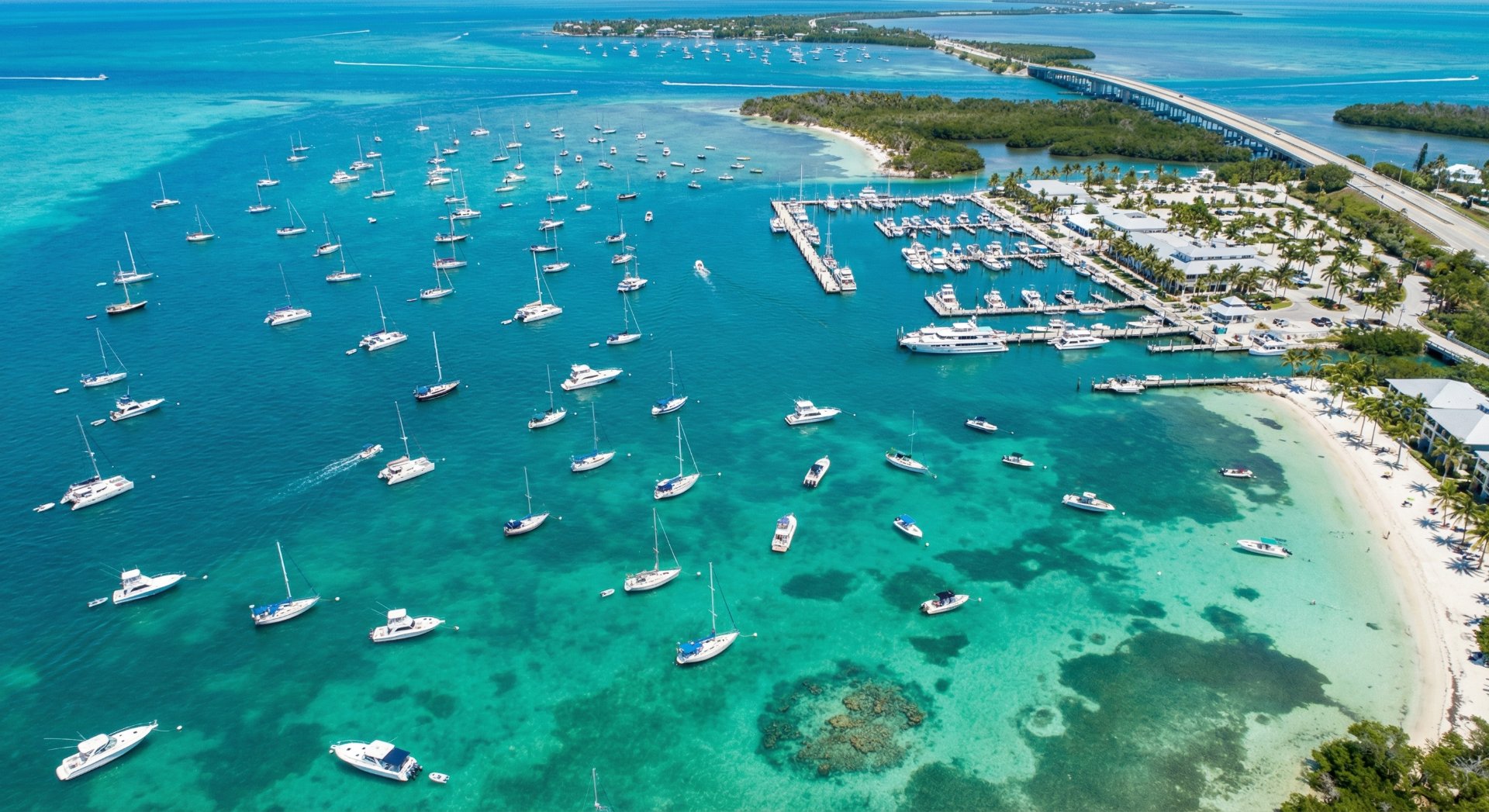
Bowrider ownership costs vary dramatically by region. Coastal and Sun Belt boaters face year-round expenses — no off-season to defer costs — but avoid winterization. Northern and Midwest boaters enjoy lower marina rates and insurance premiums but compress their boating into 5–7 months and pay for winter storage and seasonal prep. This section breaks down the region-specific costs that make the biggest difference in your annual budget.
Coastal and Sun Belt Markets: Year-Round Costs
In year-round boating markets like Florida, the Gulf Coast, and Southern California, you trade winterization for a different set of ongoing costs: UV degradation, saltwater corrosion, hurricane preparedness, and 12-month marina fees. These expenses don't exist for Midwest lake boaters — but they add up fast.
UV and Sun Damage Costs
In high-UV markets — Florida, Texas, Southern California, and most of the Sun Belt — UV radiation degrades every exterior surface on your bowrider 2–3x faster than in northern climates:
| Component | Lifespan (Midwest) | Lifespan (Sun Belt/Coastal) | Replacement Cost |
|---|---|---|---|
| Gelcoat finish | 12–20 years | 5–10 years | $3,000–$8,000 (full restoration) |
| Vinyl upholstery | 8–12 years | 3–6 years | $3,000–$10,000 (full replacement) |
| Bimini/canvas | 8–12 years | 4–7 years | $1,500–$4,000 |
| Rubber seals/gaskets | 5–8 years | 2–4 years | $200–$800 |
| Dash/gauge bezels | 10–15 years | 5–8 years | $500–$2,000 |
Sources: Component lifespan estimates from marine upholstery and gelcoat professionals, owner reports on The Hull Truth, and Born Again Boating maintenance guides. Replacement costs from marine service providers across Florida, the Gulf Coast, and Southern California (2025–2026 quotes).
UV Protection Budget
Smart coastal and Sun Belt bowrider owners budget $500–$1,500/year for UV prevention:
| Protection Measure | Annual Cost | What It Protects |
|---|---|---|
| Marine wax (3x/year) | $50–$100 (DIY) / $300–$600 (pro) | Gelcoat from oxidation |
| Ceramic coating (every 2 years) | $500–$1,500 | Gelcoat long-term UV barrier |
| UV vinyl protectant (monthly) | $50–$120 | Upholstery from cracking/fading |
| Boat cover (mooring cover) | $300–$800 (one-time, replace every 3–5yr) | All surfaces when not in use |
| Snap-on cockpit covers | $400–$1,200 (one-time) | Seats and cockpit specifically |
Sources: UV protection product pricing from West Marine. Ceramic coating costs from marine detailers in Florida, Texas, and California. Cover pricing from manufacturer options and aftermarket suppliers.
Saltwater Corrosion Costs
Coastal boating in most U.S. markets means saltwater — the Intracoastal Waterway, the Gulf, the Atlantic, the Pacific, and brackish coastal bays. Salt corrodes everything faster:
| Corrosion Prevention | Annual Cost | Frequency |
|---|---|---|
| Freshwater flush after every use | $0 (water cost negligible) | After every outing |
| Zinc/anode replacement | $60–$200 | Every 3–6 months |
| Corrosion inhibitor spray | $40–$100 | Monthly |
| Bottom paint (boats in water) | $800–$2,000 | Annually |
| Haul-out for bottom service | $300–$600 | 1–2x per year |
| Trailer maintenance (salt) | $200–$500 | Annually (bearings, brakes, rinse) |
Sources: Saltwater maintenance costs from Born Again Boating and owner reports on The Hull Truth. Bottom paint and haul-out pricing from boatyards in Florida, the Gulf Coast, and the Mid-Atlantic.
Hurricane Preparedness Costs
Hurricane season (June–November) adds a unique cost layer for bowrider owners in Florida, the Gulf Coast, and the Southeast:
| Hurricane Prep Item | Cost | Notes |
|---|---|---|
| Emergency haul-out | $300–$800 | When a storm approaches; demand drives prices up |
| Hurricane straps and tie-downs | $100–$300 (one-time) | For trailer-stored boats |
| Named storm insurance deductible | 2–5% of hull value | $1,500–$6,500 on a $75K boat if you file a claim |
| Post-storm inspection | $200–$500 | Professional survey after near-miss or direct hit |
| Marina hurricane plan compliance | Varies | Most marinas require boats removed before storms |
Sources: Hurricane prep costs from Norvos Insurance hurricane deductible guide and coastal owner reports. Named storm deductible information from InsureBetter.
South Florida Marina Rate Comparison
| Area | Wet Slip (22ft/mo) | Dry Stack (22ft/mo) | Notable Marinas |
|---|---|---|---|
| Miami / Miami Beach | $800–$1,400 | $600–$900 | Miami Beach Marina, Rickenbacker Marina |
| Fort Lauderdale | $700–$1,200 | $550–$850 | Bahia Mar, Lauderdale Marine Center |
| Pompano / Deerfield Beach | $600–$1,000 | $500–$800 | Marina One Yacht Club, Hillsboro Inlet Marina |
| Palm Beach / Jupiter | $650–$1,100 | $500–$800 | Riviera Beach Marina, Jupiter Inlet Marina |
| Key Biscayne / Coral Gables | $750–$1,300 | $600–$900 | Crandon Park Marina, Matheson Hammock |
| Florida Keys | $900–$1,500 | Limited availability | Key West Bight Marina, Marathon Marina |
Sources: Marina rate data from Boatwork direct rate surveys (Jan–Feb 2026), Marina One Yacht Club published rates, and Hull Truth Florida storage discussions. Rates are estimates for a 22-foot bowrider slip or rack; contact marinas directly for current availability and exact pricing.
Coastal vs. National Annual Cost Summary
| Cost Category | FL/Gulf Budget | FL/Gulf Premium | National Average |
|---|---|---|---|
| Storage | $1,800 (trailer yard) | $14,400 (wet slip) | $3,600 |
| Insurance | $800 | $2,500 | $700 |
| Fuel | $2,000 | $6,000 | $2,500 |
| Maintenance | $1,800 | $5,000 | $2,000 |
| UV/salt protection | $500 | $1,500 | $200 |
| Registration/misc | $400 | $1,000 | $500 |
| ANNUAL TOTAL | $7,300 | $30,400 | $9,500 |
Sources: Component costs from sections 8–10 of this guide with Florida/Gulf Coast-market adjustments. National average represents a Midwest trailer-at-home owner with moderate use.
Bowrider vs. Center Console for Coastal Families
Coastal families often debate bowrider vs. center console. Here's the cost comparison for the same use case—bay cruising, Intracoastal or lake outings, and occasional nearshore runs:
| Factor | 22ft Bowrider | 22ft Center Console |
|---|---|---|
| New price range | $45,000–$130,000 | $50,000–$120,000 |
| Annual operating cost | $8,000–$25,000 | $10,000–$30,000 |
| Watersports capability | Excellent | Limited |
| Fishing capability | Light (casting, trolling) | Excellent |
| Passenger comfort | Superior (bow seating, windshield) | Moderate (open, exposed) |
| Rough water handling | Good | Very good |
| Best for | Cruising, watersports, swimming | Fishing, diving, versatility |
Sources: Pricing from Boat Trader (Feb 2026). Operating cost comparison from Boatwork editorial analysis. For a full center console cost breakdown, see our Center Console Ownership Costs Guide.
"For families who want to cruise the ICW, hit the sandbars, and tow the kids on a tube, a bowrider is hard to beat. It's the Swiss Army knife of family boats. A center console is better if fishing is the priority." — Owner discussion, The Hull Truth: Real Costs of Owning a Boat
Northern and Midwest Markets: Seasonal Costs
If you boat in the Midwest, Northeast, or Pacific Northwest, your cost profile flips. Lower marina rates and insurance premiums are offset by seasonal expenses:
| Seasonal Cost Item | Annual Cost | Notes |
|---|---|---|
| Winterization (engine) | $300–$800 | Fogging, antifreeze, fuel stabilizer; DIY saves 50% |
| Winter storage (indoor) | $800–$2,500 | 5–6 months; heated storage costs more but protects better |
| Shrink wrap | $200–$500 | If stored outdoors for winter; one-time seasonal cost |
| Spring commissioning | $300–$700 | De-winterize, battery, systems check, launch |
| Haul-out (fall) + launch (spring) | $300–$800 | Two crane lifts per season if not trailered |
Sources: Winterization and seasonal costs from Discover Boating, Born Again Boating, and owner reports on iBoats forums.
12. Cost of Bowrider Ownership by Popular Brand
Not all bowriders are created equal—or priced equal. This section breaks down the ownership economics of the most popular bowrider brands, focusing on models commonly seen across U.S. boating markets.
Warranty Comparison by Brand
| Brand | Hull Warranty | Components | Transferable? |
|---|---|---|---|
| Sea Ray | 10 years (structural) | 5 years | Original owner |
| Chaparral | Limited lifetime hull | 5 years | Original owner |
| Cobalt | Limited lifetime hull | 5 years | Original owner |
| Yamaha Boats | 5 years (structural) | 3 years | Limited transferability |
| Bayliner | 10 years (structural) | 3 years | Original owner |
| Regal | Limited lifetime hull | 5 years | Original owner |
| Four Winns | Limited lifetime hull | 5 years | Original owner |
Sources: Warranty information from manufacturer websites (Feb 2026). Always verify warranty terms directly with the manufacturer for specific model years—terms change periodically.
12.1 Sea Ray SPX 190 / SPX 210 Cost of Ownership
Sea Ray is the most recognized name in bowriders. The SPX series is their entry-to-mid-range offering, popular across all U.S. markets.
Purchase: SPX 190: $40,000–$60,000 new; SPX 210: $55,000–$80,000 new (configure at searay.com). Used (5yr): $25,000–$50,000 (search Boat Trader)
Insurance: Standard rates—Sea Ray's long safety record and massive installed base work in your favor
Maintenance: Average. Sterndrive models (MerCruiser) require typical I/O maintenance. Outboard models available in some markets with lower maintenance profile
Resale: Good. The Sea Ray brand carries strong recognition. SPX models retain 50–58% at 5 years
Owner tip: Sea Ray is part of the Brunswick family (same as Boston Whaler and Mercury Marine), which means excellent parts availability and dealer network. The SLX series (260, 280) is a significant step up in quality, features, and price. For saltwater markets, the SLX 260 with outboard power is an outstanding choice.
12.2 Chaparral 21 SSi / 23 SSi Cost of Ownership
Chaparral offers premium build quality at a mid-range price point. Nashville-based manufacturer with a loyal following and strong dealer network across the Southeast.
Purchase: 21 SSi: $86,000–$92,000 new; 23 SSi: $122,000–$128,000 new (chaparralboats.com). Used (5yr): $50,000–$80,000 (search Boat Trader)
Insurance: Standard rates
Maintenance: Below average cost. Well-built boats with solid gelcoat and quality hardware. Outboard models available and recommended for saltwater
Resale: Good to very good. Chaparral retains 55–62% at 5 years. The brand has built a strong reputation for quality/value
Owner tip: The SSi Outboard models are relatively new and an excellent choice for saltwater use. Chaparral's Extended Life Gelcoat resists UV degradation better than average. The 23 SSi with Yamaha F250 is one of the best all-around family bowriders in the 23-foot class.
12.3 Cobalt R4 / R6 Cost of Ownership
Cobalt is the premium benchmark for bowriders. Hand-built in Neodesha, Kansas, with fanatical attention to fit and finish. The Rolls-Royce of runabouts.
Purchase: R4: $100,000–$160,000 new; R6: $160,000–$260,000 new (cobaltboats.com). Used (5yr): $65,000–$180,000 (search Boat Trader)
Insurance: Standard to slightly elevated due to high insured value
Maintenance: Below average relative to price. Exceptional build quality means fewer issues. Parts are premium-priced but rarely needed for non-wear items
Resale: Best in class. Cobalt retains 60–68% at 5 years—the highest of any bowrider brand. Limited production keeps demand high
Owner tip: If budget allows, Cobalt is the best long-term value proposition in bowriders. The higher purchase price is substantially offset by lower depreciation and fewer maintenance issues. The R6 with Suzuki outboard power is the premier family bowrider for saltwater markets. Expect dealer waitlists on popular configurations.
12.4 Yamaha AR190 / AR210 / AR250 Cost of Ownership
Yamaha jet boats offer the lowest maintenance costs and best swim platform design of any bowrider category. Twin jet drives, no propeller, no sterndrive.
Purchase: AR190: $43,000–$47,000; AR210: $48,000–$55,000; AR250: $55,000–$82,000 new (yamahaboats.com). Used (5yr): $25,000–$50,000 (search Boat Trader)
Insurance: Below average—no propeller reduces liability risk and injury claims
Maintenance: Lowest in class. No lower unit, no bellows, no gimbal bearing. Oil changes and impellers are essentially the only required maintenance. Budget $400–$1,000/year
Resale: Moderate. Yamaha jet boats hold 48–55% at 5 years. Strong demand in the watersports segment
Owner tip: Jet drives have lower top-end efficiency than prop-driven boats—expect 10–20% higher fuel consumption at cruise. They excel in shallow water (no prop to damage) and are safer for swimmers (no exposed propeller). The AR250 is the best value in the 25-foot watersports bowrider segment. Perfect for sandbar hopping and shallow-water cruising in any coastal market.
12.5 Bayliner VR5 / VR6 Cost of Ownership
Bayliner is the entry-level choice—lowest purchase price in the bowrider market. Manufactured by the Brunswick group.
Purchase: VR5: $28,000–$38,000; VR6: $42,000–$55,000 new (bayliner.com). Used (5yr): $15,000–$32,000 (search Boat Trader)
Insurance: Below average—lower insured value means lower premiums
Maintenance: Average. Build quality is functional but not premium. Upholstery and hardware may need earlier replacement in high-UV climates
Resale: Below average. Bayliner depreciates faster than mid-range and premium brands—40–46% retained at 5 years. High production volume means plentiful used inventory, which suppresses prices
Owner tip: Bayliner is the smartest choice for budget-conscious first-time buyers who want to learn boating without a six-figure commitment. The VR6 Outboard with Mercury 150 is a capable family boat for $48,000–$55,000 out the door. If buying used, inspect upholstery and gelcoat carefully—these wear faster on Bayliners than premium brands.
Brand Cost Summary Table
| Brand | New Price (22ft) | 5yr Resale | Annual Maintenance | Annual Insurance (Coastal) |
|---|---|---|---|---|
| Cobalt | $100K–$180K | 60–68% | $800–$2,000 | $1,200–$2,500 |
| Sea Ray | $55K–$80K | 50–58% | $1,000–$2,500 | $800–$1,600 |
| Chaparral | $86K–$128K | 55–62% | $800–$2,000 | $1,000–$2,100 |
| Yamaha | $43K–$82K | 48–55% | $400–$1,000 | $650–$1,400 |
| Four Winns | $55K–$95K | 50–58% | $900–$2,200 | $800–$1,600 |
| Bayliner | $28K–$55K | 40–46% | $800–$2,000 | $550–$1,100 |
| Regal | $70K–$120K | 57–64% | $800–$2,000 | $900–$1,800 |
Sources: Pricing from Boat Trader and manufacturer websites (Feb 2026). Resale estimates from Boat Trader Price Checker. Maintenance and insurance ranges from sections 9–10 of this guide, adjusted by brand.
13. Disadvantages of Bowrider Ownership
Honest assessment of the downsides—because dealer brochures won't mention these realities.
13.1 Financial Disadvantages
- Depreciation: $3,000–$15,000/year in lost value depending on brand, age, and condition. Even premium bowriders lose value every year
- Fuel costs add up fast during watersports. Towing tubers and wakeboarders at full throttle burns 50–100% more fuel than cruising. A Saturday of tubing can cost $100–$200 in gas
- Storage costs never stop, even when you're not using the boat. Marina fees accrue 12 months a year in year-round markets; winter storage adds to the bill up north
- Insurance in hurricane zones is rising unpredictably—some Florida and Gulf Coast owners see 15–25% annual increases
- Sterndrive maintenance is expensive and non-optional. Skipping bellows or gimbal bearing service leads to catastrophic water intrusion and $5,000–$10,000 transom repairs
- The boat is always losing value—unlike a house, it never appreciates. Every dollar spent on ownership is consumption, not investment
13.2 Practical Disadvantages
- Weather dependence: Bowriders offer limited protection from rain and spray compared to cabin boats or cuddy cabins
- No overnight capability on most models—limits trip planning for extended adventures
- Saltwater corrosion requires constant vigilance in coastal markets. One forgotten freshwater flush can start a corrosion cycle
- HOA and condo restrictions in many communities nationwide prohibit boat/trailer parking, forcing marina storage
- Trailering a 22+ foot bowrider requires a full-size truck, ramp experience, and patience at crowded boat ramps on weekends
- Open bow seating gets wet in choppy conditions. Wake from large boats on busy waterways soaks forward passengers regularly
13.3 Lifestyle Disadvantages
- The boat doesn't care about your schedule—it needs maintenance when it needs it, not when it's convenient for you
- Ramp stress at busy launches is real. Popular ramps on summer weekends — from Florida to the Great Lakes — are not for the faint of heart
- Year-round boating in Sun Belt states means year-round maintenance costs. No off-season to defer expenses
- Keeping up with upgrades: Tower speakers, LED lighting, SeaDek flooring, new chartplotters—the accessory market is designed to separate you from your money
- Insurance claims can be a nightmare after hurricanes. Adjusters are overwhelmed, and named storm deductibles mean you eat the first $1,500–$6,500 of damage
13.4 When These Disadvantages Matter Most
Disadvantages are most significant if you: boat fewer than 15 days/year, are on a tight budget, live in a deed-restricted community, or dislike mechanical work. They matter least if you: boat 30+ days/year, have budget flexibility, can store at home or have reliable marina access, and enjoy (or are willing to learn) basic boat maintenance.
14. Boat Club vs. Owning a Bowrider: The Comparison
The Math: Renting vs. Owning
| Usage Level | Boat Club (annual) | Owning (annual) | Winner |
|---|---|---|---|
| 10 days/year | $4,800–$8,400 | $8,000–$25,000 | Boat Club |
| 20 days/year | $4,800–$8,400 | $8,000–$25,000 | Close / depends on setup |
| 30 days/year | $4,800–$8,400 | $8,000–$25,000 | Ownership (if budget setup) |
| 50+ days/year | $4,800–$8,400 | $8,000–$25,000 | Ownership (clear winner) |
Sources: Boat club costs from Freedom Boat Club pricing. Rental rates from Boatsetter and GetMyBoat. Ownership costs from Section 1 scenarios in this guide.
Freedom Boat Club vs. Owning a Bowrider
Freedom Boat Club (owned by Brunswick, parent company of Sea Ray, Boston Whaler, and Mercury Marine) is the largest boat club in the U.S. with 400+ locations nationwide. Carefree Boat Club is another option with locations across multiple states.
| Cost Category | Freedom Boat Club | Carefree Boat Club | Owning a 22ft Bowrider |
|---|---|---|---|
| Upfront cost | $3,200–$11,000 initiation | $3,000–$8,000 initiation | $8,000–$130,000+ (purchase) |
| Monthly recurring | $200–$400+/month | $250–$450+/month | $667–$2,083/month (total costs) |
| Fuel | You pay | You pay | You pay |
| Insurance/maintenance/storage | Included | Included | $4,000–$20,000/year additional |
| Annual total (excl. fuel) | $4,800–$8,400 | $6,000–$10,400 | $8,000–$25,000 |
| Availability | Reservation required | Reservation required | Your boat, your schedule |
| Boat variety | Multiple types at multiple locations | Multiple types | One boat, configured your way |
| Customization | None | None | Full customization |
| Depreciation risk | None | None | $3,000–$15,000/year |
Sources: Freedom Boat Club pricing from freedomboatclub.com (2026: $3,200–$11,000 initiation, $200–$400+/month). Carefree Boat Club pricing from carefreeboats.com. Ownership costs from Section 1 of this guide. Depreciation from Section 5.
The break-even math: At $350/month + $7,000 initiation amortized over 3 years, Freedom Boat Club costs roughly $6,500/year excluding fuel. A comparable owned bowrider costs $8,000–$25,000/year. At fewer than 15–20 boating days/year, the club wins financially. Beyond 25–30 days, ownership becomes competitive—and you get your boat, your way, on your schedule.
Weekday-only plans start around $200/month—a strong option for retirees, remote workers, or anyone who can avoid weekend crowds. Year-round boating markets like Florida and Southern California make weekday memberships especially valuable.
Non-Financial Factors
Boat club advantages: No maintenance headaches, variety of boat types and locations, zero depreciation risk, walk away when done, no storage logistics, no hurricane prep stress.
Ownership advantages: Your boat configured exactly your way (wake tower, specific electronics, custom stereo), available on your schedule including last-minute sunset cruises, build familiarity with your vessel, pride of ownership, freedom to modify and upgrade.
Peer-to-peer rental platforms: Boatsetter and GetMyBoat let you rent bowriders from private owners across the U.S., often at $300–$800/day including captain options.
"Finance the boat, not the lifestyle. Keep payments reasonable so you can afford to actually use and maintain your investment properly." — Anchor & Trade: The Real Cost of Boat Ownership in Florida
15. Frequently Asked Questions
1. How much does it cost to own a bowrider boat per year?
$8,000–$25,000 annually for a 22-foot bowrider, depending on location, storage type, and usage level. Coastal markets (Florida, Gulf Coast, Southern California) run $12,000–$25,000; Midwest and inland lake regions run $6,000–$15,000. Add $5,000–$12,000 for financing if applicable. The biggest variable is whether you keep the boat on a trailer at home ($0–$200/yr) or in a marina slip ($3,600–$14,400/yr).
2. Is a bowrider or pontoon cheaper to own?
Pontoons are 15–25% cheaper to own annually. A 22-foot pontoon costs $6,000–$18,000/year; a comparable bowrider costs $8,000–$25,000/year. Pontoons use simpler outboard power, burn less fuel, and have lower insurance premiums. Bowriders cost more due to higher-performance engines, sterndrive complexity (if applicable), and greater fuel consumption. If budget is your top priority and you don't need watersports capability, a pontoon is the more economical choice.
3. Should I buy a bowrider with a sterndrive or outboard?
Outboard bowriders cost less to maintain ($600–$1,500/year vs. $1,200–$3,000 for sterndrives), last longer (5,000+ hours vs. 1,500–2,500 hours), and hold resale value better. Sterndrives offer a lower initial purchase price and a cleaner, integrated swim platform. For saltwater use, outboard power is strongly recommended—salt accelerates sterndrive corrosion 2–3x, leading to expensive bellows and gimbal bearing failures.
4. How much fuel does a bowrider use?
A typical 20–24 foot bowrider burns 6–12 GPH at cruise speed (25–35 mph). Sterndrive models average 8–12 GPH; outboard models average 5–9 GPH; jet drives average 10–16 GPH. Budget $50–$150 per outing depending on duration, speed, and fuel prices. Active watersports users running 120–200 hours/year should budget $3,000–$7,000 annually for fuel.
5. What bowrider holds its value best?
Cobalt leads bowrider resale value, retaining 60–68% after 5 years. Regal and Chaparral also hold value well (55–64% at 5 years). Sea Ray and Four Winns are in the 50–58% range. Budget brands like Bayliner depreciate fastest—retaining only 40–46% after 5 years. Build quality, brand reputation, and limited production all contribute to value retention.
6. How much does bowrider insurance cost?
Bowrider insurance costs $400–$2,500/year depending on boat value, coverage level, and location. Hurricane-zone states (Florida, Texas, the Carolinas) run 40–60% higher than inland states. Named storm deductibles of 2–5% of hull value are standard in most coastal policies. Take a boating safety course for a 5–15% discount. Get quotes from at least 3 providers—rates vary 30–50% between insurers.
7. Can I store a bowrider on a trailer at home?
Many HOAs and condo associations—especially in Florida, Arizona, and suburban communities nationwide—prohibit boat and trailer parking on driveways, side yards, and even in garages if the door can't close. Check your community's CC&Rs before buying with a home trailer storage plan. If allowed, trailer storage saves $3,000–$12,000/year vs. marina storage. Alternatives include offsite trailer yards ($100–$250/month) or dry stack facilities ($300–$800/month).
8. Is a bowrider or center console better for a family?
Bowriders are better for families who prioritize watersports (tubing, skiing, wakeboarding), swimming, and cruising. Center consoles are better for fishing-focused families. Bowriders cost 10–30% less to own annually than comparable center consoles. For bay cruising, lake outings, and Intracoastal trips with kids, a bowrider offers superior seating, better windshield protection, and a more comfortable ride for passengers. See our center console cost guide for a full comparison.
9. What should I budget for my first year of bowrider ownership?
Purchase price + 10–15% for first-year extras: registration and sales tax ($1,500–$5,000 depending on state), safety gear ($300–$1,000), accessories and upgrades ($500–$3,000), initial service/inspection ($200–$500 for used boats), and things you discover need attention after the first few outings. Most first-time owners spend $2,000–$8,000 more than expected in year one. Set aside a surprise fund.
10. Should I buy a new or used bowrider?
Used (3–5 years old) offers the best value: 30–45% off new price with the steepest depreciation already absorbed by the first owner. New makes sense if you want factory warranty, specific engine/electronics packages, or plan to keep the boat 10+ years. A 3-year-old Chaparral or Sea Ray with 150 hours is essentially a new boat at 35% off—that's $20,000–$40,000 saved on a mid-range bowrider.
16. Glossary of Bowrider Terms
Ballast System: Tanks that fill with water to add weight to the boat, creating a larger wake for wakeboarding and wake surfing. Adds 800–2,000 lbs. Factory systems cost $2,500–$5,000; aftermarket $1,500–$4,000.
Beam: Width of the boat at its widest point. A 22-foot bowrider typically has 8.0–8.5 ft beam. Determines trailer width and slip size requirements.
Bellows: Flexible rubber boots that seal the sterndrive connection through the transom on inboard/outboard (I/O) boats. Critical maintenance item—failure allows water intrusion into the hull. Replace every 2–5 years ($600–$1,200 professionally).
Bimini Top: Retractable canvas shade cover mounted on a folding frame. Standard equipment on most bowriders. Essential for sun protection, especially in Sun Belt markets. Replace canvas every 4–7 years ($800–$2,000).
Bowrider: A boat design with an open bow area forward of the windshield, providing additional seating and lounging space. The hull typically features a V-shape for good handling in chop. Most popular recreational family boat type under 26 feet.
Deadrise: The angle of the hull's V-shape at the transom, measured in degrees. Bowriders typically have 18–22° deadrise. Higher deadrise means a softer ride in rough water but more roll at rest.
Dry Stack: Indoor rack storage where the marina uses a forklift to store and launch your boat. Protects from weather and UV; eliminates need for bottom paint. Costs $300–$800/month depending on market.
Four-Stroke: Modern outboard engine type. Quieter, more fuel-efficient, and longer-lasting than two-strokes. Standard on all new outboards since the mid-2000s.
Gelcoat: The outer resin layer protecting the fiberglass hull. Oxidizes over time, especially in high-UV climates. Requires periodic compounding and waxing. Full restoration costs $3,000–$8,000.
Gimbal Bearing: The bearing that allows a sterndrive to pivot and steer. Located inside the transom assembly. Failure is expensive ($400–$800 to replace) and can lead to water intrusion if ignored.
GPH: Gallons Per Hour—fuel consumption rate. A bowrider at cruise burns 6–12 GPH depending on engine type and size.
Inboard/Outboard (I/O or Sterndrive): Engine configuration with the motor inside the boat and the drive unit (lower unit) mounted through the transom. Common on bowriders under $80,000. Lower purchase price than outboard but higher maintenance.
Jet Drive: Propulsion system that uses an impeller inside a housing rather than an exposed propeller. Used by Yamaha and Scarab jet boats. Safest for swimmers; lowest maintenance; less efficient at cruise speed.
NMMA Certification: National Marine Manufacturers Association certification ensures the boat meets safety and construction standards. Always buy NMMA-certified boats.
SeaDek: Non-skid EVA foam decking material applied to boat surfaces. Popular upgrade for bowriders—provides grip, comfort, and UV protection for the underlying gelcoat. Costs $800–$2,500 installed.
Snap-In Carpet: Removable carpet pieces that snap into place on the bowrider floor. Easy to clean and replace. Standard on most bowriders; upgrade to marine-grade for saltwater use.
Sterndrive: See Inboard/Outboard above. Also called I/O. Major brands: MerCruiser (Mercury Marine) and Volvo Penta.
Swim Platform: Extended flat area at the transom for boarding, swimming, and watersports. Sterndrive and jet boats have integrated platforms; outboard models have split platforms around the engine.
Trim Tabs: Adjustable plates on the transom that control boat attitude (bow up/down). Improve efficiency, ride comfort, and fuel economy. Standard on bowriders over 22 feet.
Wake Tower: Elevated aluminum or stainless steel frame mounted above the cockpit. Used to attach tow ropes at a higher point for wakeboarding and wake surfing. Also serves as a mounting point for speakers and board racks. Factory: $3,000–$6,000; aftermarket: $2,000–$5,000.
17. Your Personal Bowrider Cost Worksheet
Use this worksheet to build your customized ownership cost estimate. Print or copy to a spreadsheet and fill in with your specific numbers.
Purchase & Financing
| Target purchase price | $_______ |
| Down payment (if financing) | $_______ |
| Loan amount | $_______ |
| Interest rate | _______% |
| Annual loan payment (use calculator) | $_______ |
| Sales tax (varies by state; check your state revenue dept.) | $_______ |
| Survey, delivery, closing costs | $_______ |
| Trailer (if needed) | $_______ |
Annual Operating Costs
| Storage/marina (monthly × 12) | $_______ |
| Insurance | $_______ |
| Fuel (estimate trips × gallons × price) | $_______ |
| Routine maintenance (5–10% of value) | $_______ |
| UV/salt protection (coastal: $500–$1,500) | $_______ |
| Bottom paint (if kept in water) | $_______ |
| Registration/documentation | $_______ |
| Tow vehicle costs (if trailering) | $_______ |
| Repair reserve (2–4% of boat value) | $_______ |
| Misc (safety gear, accessories, cleaning) | $_______ |
Your Totals
| Total annual operating costs | $_______ |
| + Annual loan payment (if financing) | $_______ |
| + Estimated annual depreciation (5–10%) | $_______ |
| = Total annual cost of ownership | $_______ |
| Monthly average (annual ÷ 12) | $_______ |
| Daily cost (annual ÷ 365) | $_______ |
| Cost per trip (annual ÷ planned trips) | $_______ |
Pro tip: Add 20% to your totals as a safety margin. Every experienced boat owner will tell you: actual costs always exceed estimates, especially in years 1–3. Unexpected repairs, upgrades you didn't plan for, and that one time you hit something at the ramp are all part of the experience. Budget conservatively and you'll enjoy the boat more.
18. Conclusion
Bowrider ownership is a meaningful financial commitment—$8,000–$25,000 annually in operating costs, plus depreciation, plus financing if applicable. The daily cost ranges from $18 (budget scenario: paid-off boat on home trailer, Midwest lake, DIY maintenance) to $115 (financed premium bowrider at a coastal marina with weekly use and full professional service).
Key Takeaways
- Storage choice is the biggest single cost lever: Trailer at home vs. marina slip can swing costs $6,000–$14,000/year
- Engine type matters more than brand: Outboard bowriders cost $3,000–$10,000 less per decade in maintenance than sterndrives. For saltwater, outboard is the clear winner
- Brand matters for resale: Cobalt, Regal, and Chaparral owners recover significantly more at sale—Cobalt retains 60–68% of MSRP after 5 years vs. 40–46% for Bayliner
- Coastal and hurricane-zone markets add 30–50% to national averages due to higher insurance, marina rates, and year-round UV/salt exposure costs
- DIY maintenance saves $2,000–$5,000/year. Learning basic engine service is the single best financial investment a bowrider owner can make
- Financing adds $15,000–$50,000 in interest over a 10–15 year loan. Buy what you can afford in cash, or minimize your loan term
- Boat clubs break even around 15–25 days/year. Below that, Freedom Boat Club or Carefree Boat Club is typically more economical. Above that, ownership wins
- Buy used (3–5 years old) for the best value: 30–45% off new price with decades of life remaining
The happiest bowrider owners enter with realistic expectations, budget conservatively, and learn to enjoy basic boat maintenance. The common advice from experienced owners: buy a well-maintained 3–5 year old boat from an upper-mid or premium brand, keep it on a trailer if possible, learn to do your own oil changes and impeller swaps, and use the savings on fuel and outings—which is the whole point.
Bowrider ownership isn't about the asset value. It's about the access: to sandbars with friends, to sunset cruises on the lake or the Intracoastal, to Saturday mornings teaching your kids to wakeboard. It's about the capability: to explore new coves, to pull into a waterfront restaurant by boat, to spend a spontaneous afternoon on the water because the weather turned perfect. It's about the freedom: to leave whenever you want, to configure the boat exactly how you like it, to build memories on your terms.
Those intangibles—freedom, family time, access—are what justify the cost to most owners. The financial analysis in this guide helps you understand what you're spending. But the real value proposition is lifestyle. Buy a bowrider if the water time and family experience are worth the cost. Don't buy one expecting financial returns. And whatever you buy, use it relentlessly. The cost per trip drops every time you leave the dock.
We update this guide quarterly as marina rates, insurance trends, and fuel prices change. Bookmark this page and check back for current data. If you have questions or cost data to share from your region, reach out at [email protected].
Tight lines and smooth water.
— The Boatwork Editorial Team
Sources and References
Market Data
- Boat Trader: Listings, pricing data, Price Checker tool, and market analysis
- J.D. Power Boat Values: Marine valuations (incorporates former NADA Guides marine data)
- Boatzon: Boat value analysis and depreciation data
- GoDownsize: Boat depreciation guide
- Power Products Systems: Depreciation analysis
- Yacht Brokers of Annapolis: Depreciation guide
Manufacturers
- Sea Ray: SPX and SLX series specifications
- Chaparral Boats: SSi series
- Cobalt Boats: R series
- Yamaha Boats: AR series jet boats
- Bayliner: VR series
- Regal Boats: FasDeck and LS series
- Four Winns: HD and Horizon series
- Formula Boats: Crossover bowriders
Insurance & Marina
- GEICO Boat Insurance: Rate guide and cost factors
- SkiSafe: Sport boat insurance specialists
- BoatUS Insurance: Insurance, towing, and membership
- Progressive Marine: Multi-carrier quotes
- InsureBetter: Boat insurance cost guide by state
- Norvos Insurance: Hurricane deductible guide
- Marina One Yacht Club: Florida marina rates
Industry & Education
- National Marine Manufacturers Association: Industry data and trends
- Discover Boating: Consumer education and bowrider vs. pontoon comparison
- Born Again Boating: DIY maintenance guidance and maintenance cost data
- Formula Boats: Outboard vs. sterndrive comparison
- Marine Engine Digest: Fuel consumption data
- Boating Magazine: Fuel calculation guide
Financing
- Trident Funding: Marine lending specialists
- Essex Credit: Boat loans and marine financing
- Bankrate: Loan calculators and rate data
- Florida Department of Revenue: Boat sales tax information
Towing & Vehicles
- Edmunds: Best vehicles for towing boats
- Formula Boats: Tow vehicle selection guide
- BoatTest: Tow vehicle guidance
Owner Communities & Forums
- The Hull Truth: Boating forum with real owner cost data
- iBoats Forums: Boat ownership cost discussions
- Boat Trader: The Real Cost of Boat Ownership
- Discover Boating: Costs of Boat Ownership
- Anchor & Trade: The Real Cost of Boat Ownership in Florida
Cited Sources
- Frank Hugelmeyer, President & CEO, NMMA — 2024 U.S. Boat Sales Report
- Boatzon — New vs. Used Boats: A Complete Value Analysis
- Norvos Insurance — Hurricane Deductibles Explained
- Born Again Boating — Outboard Maintenance Cost & How To Save Money
- Anchor & Trade — The Real Cost of Boat Ownership in Florida
- Boat Trader — The Real Cost of Boat Ownership
- Discover Boating — Costs of Boat Ownership
- Discover Boating — Pontoon vs. Bowrider
- Formula Boats — Bowriders: Outboard vs. Sterndrive
- The Hull Truth — Real Costs of Owning a Boat
- iBoats — B.O.A.T.: The Cost of Boat Ownership
- Freedom Boat Club — How Much Does Freedom Boat Club Cost?
- Boatwork independent research — Marina One Yacht Club, Deerfield Beach, FL (storage quotes, 2022 & 2025)
- The Hull Truth — South Florida Dry Stack Boat Storage