Outboard engine maintenance in Jacksonville, FL
Found 39 verified outboard engine maintenance professionals in Jacksonville
Top outboard engine maintenance pros in Jacksonville
Ordered by rating and review volume.





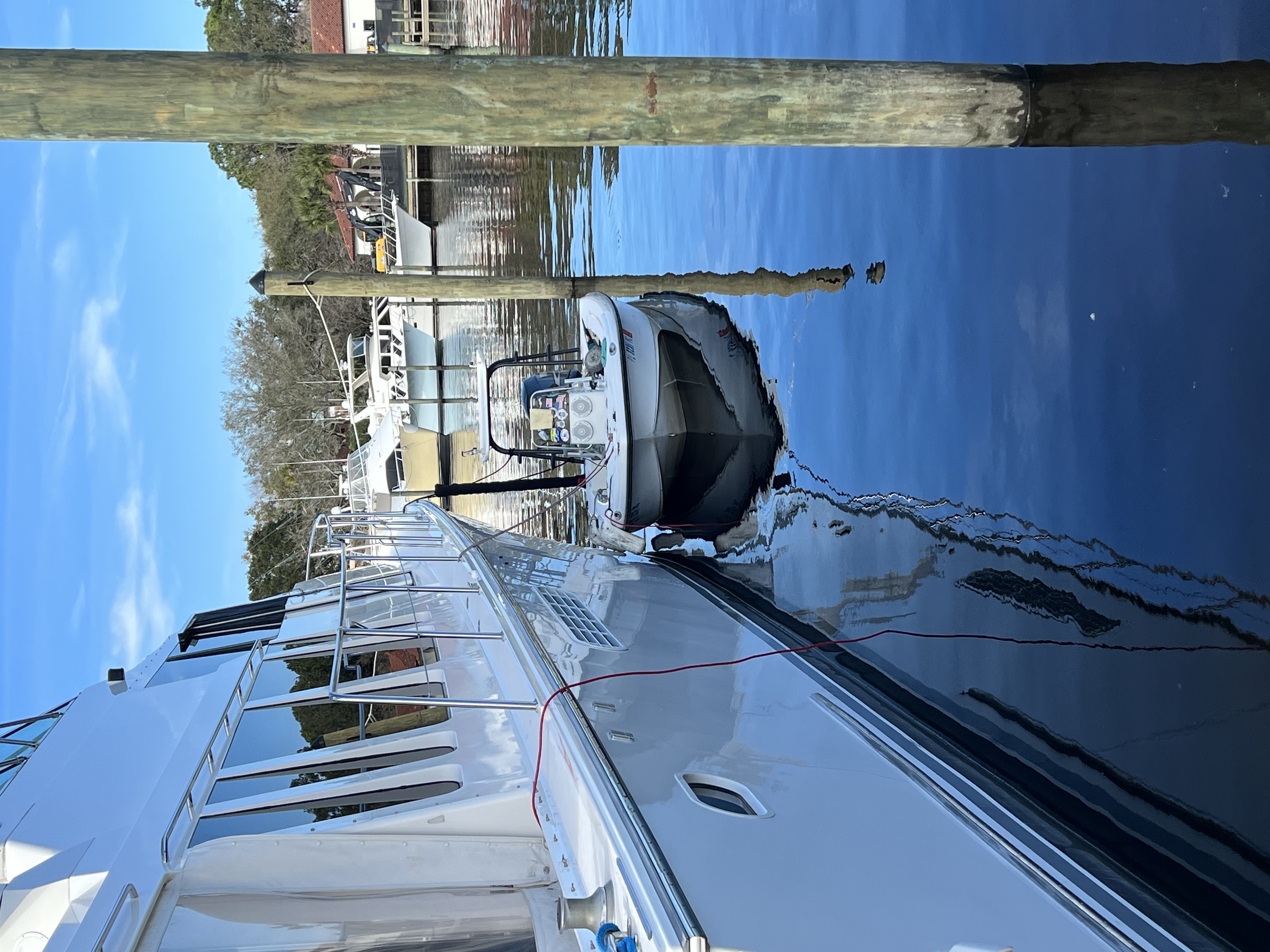
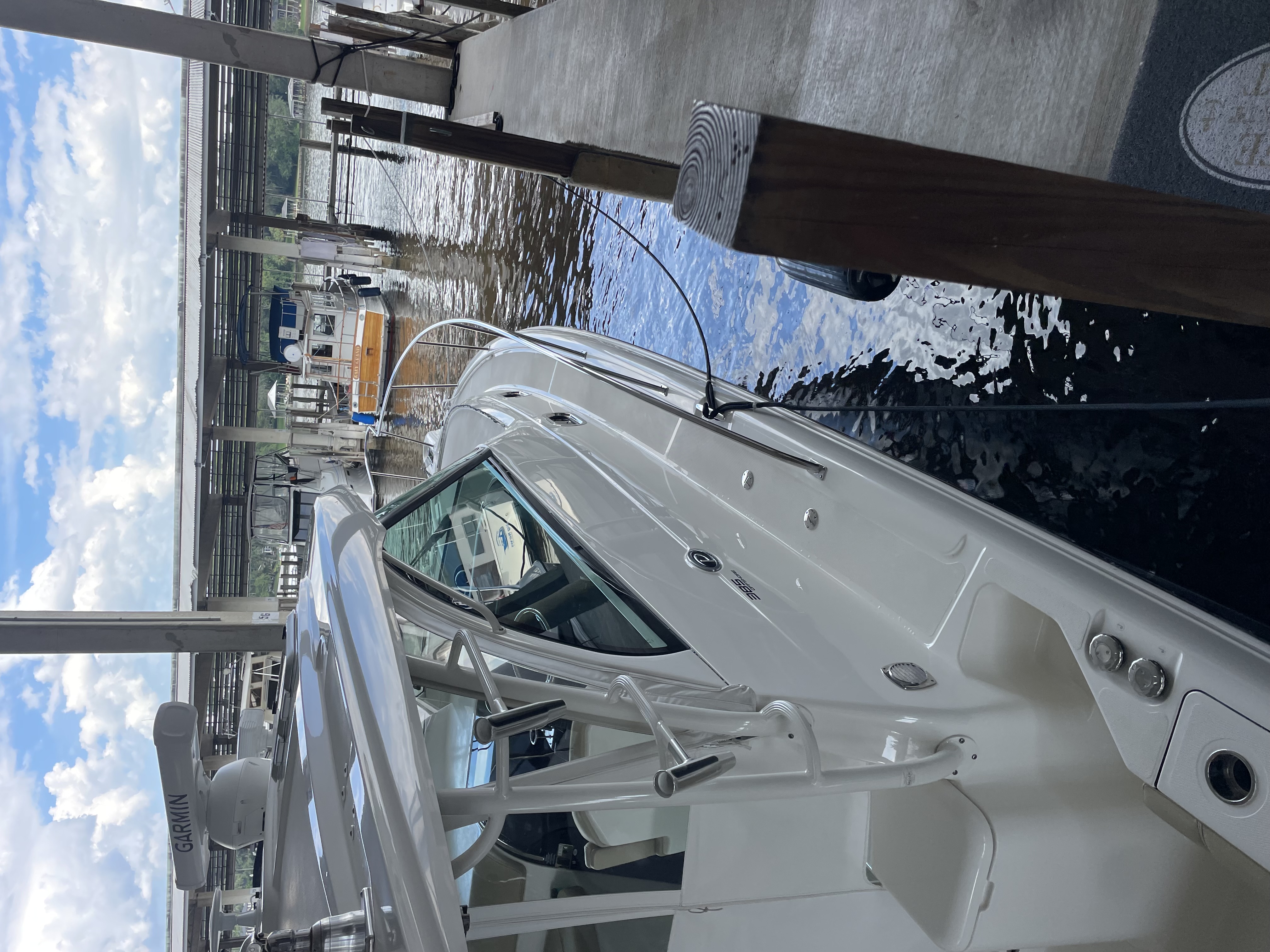
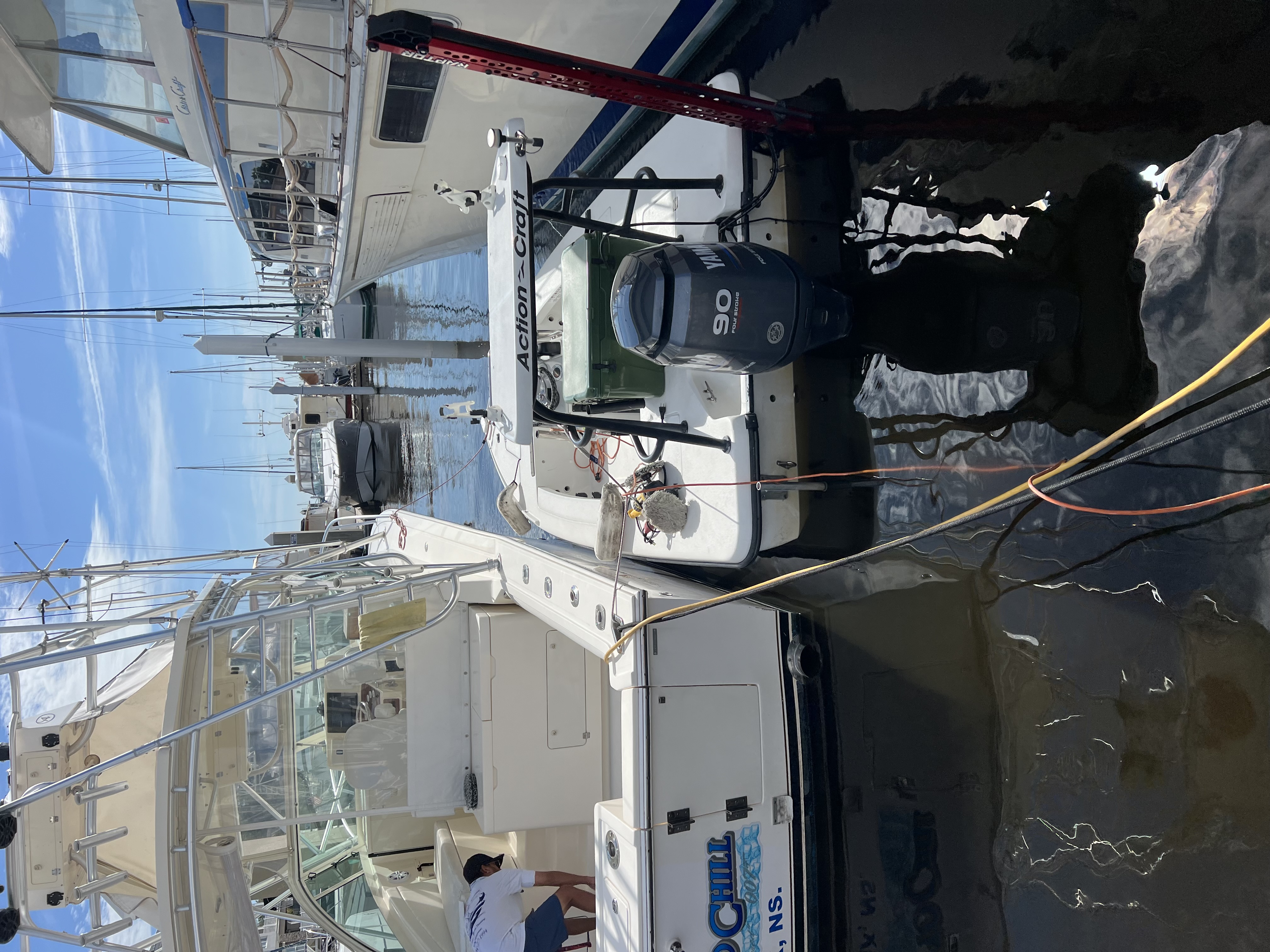
Recent outboard engine maintenance work in Jacksonville
Real project photos from local pros — tap through to their profile.

What outboard engine maintenance costs in Jacksonville
Outboard engine maintenance in Jacksonville: what owners should know
Outboard engine maintenance in Jacksonville means more than an oil change — it's a systematic service that covers fuel system inspection, spark plug replacement, gear oil changes, impeller checks, and corrosion protection specific to the brackish and saltwater environments that define Northeast Florida boating. Whether you run the St. Johns River, the Intracoastal Waterway, or push offshore through the Jacksonville inlet, salt exposure and year-round use put outboard motors under constant stress. Humidity, heat, and frequent operation compress maintenance intervals compared to cooler, drier climates. A standard outboard maintenance visit in Jacksonville typically starts around $195, though scope and engine size move that number. With 39 verified marine mechanics active in the area and an average rating of 4.7 out of 5, qualified help is close. Request a free estimate today to keep your outboard running reliably all season.
Why Outboard Engine Maintenance Is Its Own Service Category
Outboard engine maintenance is not a subset of general boat repair — it's a defined, recurring service with a specific checklist tied to the engine manufacturer, the motor's horsepower class, and the hours logged since the last service. A mechanic working on your outboard is not diagnosing a random fault; they are executing a scheduled inspection that prevents faults from developing.
What the Job Actually Includes
A proper outboard maintenance visit covers several discrete tasks: changing the lower unit gear oil, replacing the water pump impeller (a rubber component that degrades with heat and time), inspecting and replacing spark plugs, servicing or replacing the fuel filter, checking throttle and shift cables for wear, lubricating all grease points and linkages, and testing the thermostat. Many technicians also flush the cooling system and inspect the propeller for dings or cavitation damage that could strain the powerhead. This is categorically different from, say, diagnosing an electrical fault or rebuilding a carburetor — those are repair jobs, not maintenance visits.
What Drives the Price Up or Down in Jacksonville
Starting around $195, the final cost shifts based on several factors specific to outboard work. Engine size matters immediately — a 150 HP four-stroke carries higher parts costs (more spark plugs, more gear oil volume) than a 60 HP two-stroke. Impeller replacement alone can add $60–$120 in parts depending on the brand. Jacksonville's saltwater and brackish conditions accelerate corrosion on anodes and fittings, so technicians often flag anode replacement or seized drain screws that add time. If the motor hasn't been serviced in over a year, expect additional cleaning and inspection time. Engine brand also influences cost because OEM-specified fluids and filters vary significantly in price.
How Long the Service Takes
For a single outboard in average condition, most technicians complete the service in two to four hours on-site or at a shop. Twins or triple outboard setups roughly double that time and cost. Scheduling lead times in Jacksonville tend to compress between April and October when river and offshore traffic peaks — booking a few weeks out is common during that window.
Questions to Ask Your Pro Before Booking
Before committing, ask the technician which service interval they follow — manufacturer hours or calendar months, since Jacksonville's year-round boating season means calendar-based intervals often apply. Ask whether the impeller will be physically inspected or simply replaced on schedule, and confirm what specific fluids they use and whether they meet your engine manufacturer's specifications. Ask if the estimate includes disposing of old gear oil and filters. A clear answer to each of these separates a thorough pro from one doing a surface-level visit.
Frequently asked questions
What does outboard engine maintenance typically cost in Jacksonville, FL?
Outboard maintenance in Jacksonville generally starts around $195 for a single engine, covering core tasks like gear oil, impeller, spark plugs, and fuel filter. Larger horsepower engines, twin setups, or motors overdue for service will push the total higher due to increased parts volume and labor time. Requesting a free estimate through Boatwork is the fastest way to get a number specific to your engine brand, size, and current service history.
How often should an outboard motor be serviced in a place like Jacksonville?
Most manufacturers recommend service every 100 hours of operation or once per year, whichever comes first. In Jacksonville, where boats often run year-round in saltwater and brackish conditions, the calendar-based interval frequently triggers before the hour threshold does. Salt exposure accelerates wear on impellers, anodes, and fuel components, making annual service a practical minimum rather than a conservative suggestion.
Is outboard maintenance something a marine mechanic does on-site, or does the boat need to go to a shop?
Both options exist, and Jacksonville has mobile marine mechanics who can perform outboard maintenance dockside or at a home lift, as well as shop-based technicians who prefer the motor be brought in or the boat trailered. Mobile service typically adds a trip charge that varies by distance. When comparing estimates, confirm whether the quote includes on-site service or assumes shop drop-off.
What happens if outboard maintenance is skipped for a season?
Skipping a service cycle in a saltwater-heavy environment like Jacksonville significantly raises the risk of impeller failure, which can cause the engine to overheat and damage the powerhead — a repair that costs far more than a routine maintenance visit. Varnish buildup in the fuel system from ethanol-blended fuel sitting in warm temperatures is also a common result, leading to carburetor or injector issues. Staying on schedule protects both reliability and resale value.
Explore
Outboard engine maintenance in other cities
Other services in Jacksonville
Need outboard engine maintenance in Jacksonville?
Get matched with a vetted local pro — no cost to request.
Request an Estimate →

