Hull Cleaning in Miami Beach, FL
Found 5 verified hull cleaning professionals in Miami Beach
Top hull cleaning pros in Miami Beach
Ordered by rating and review volume.

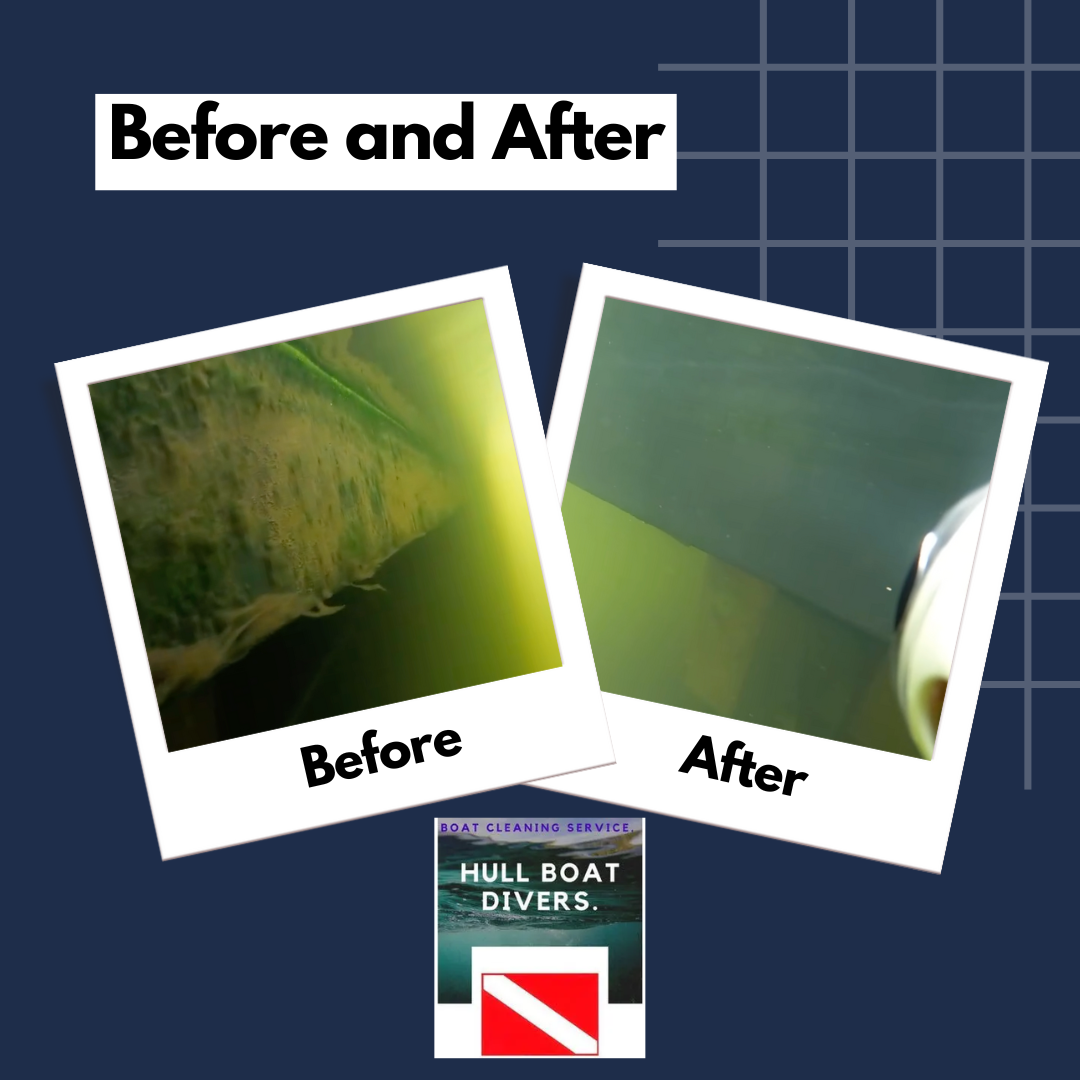
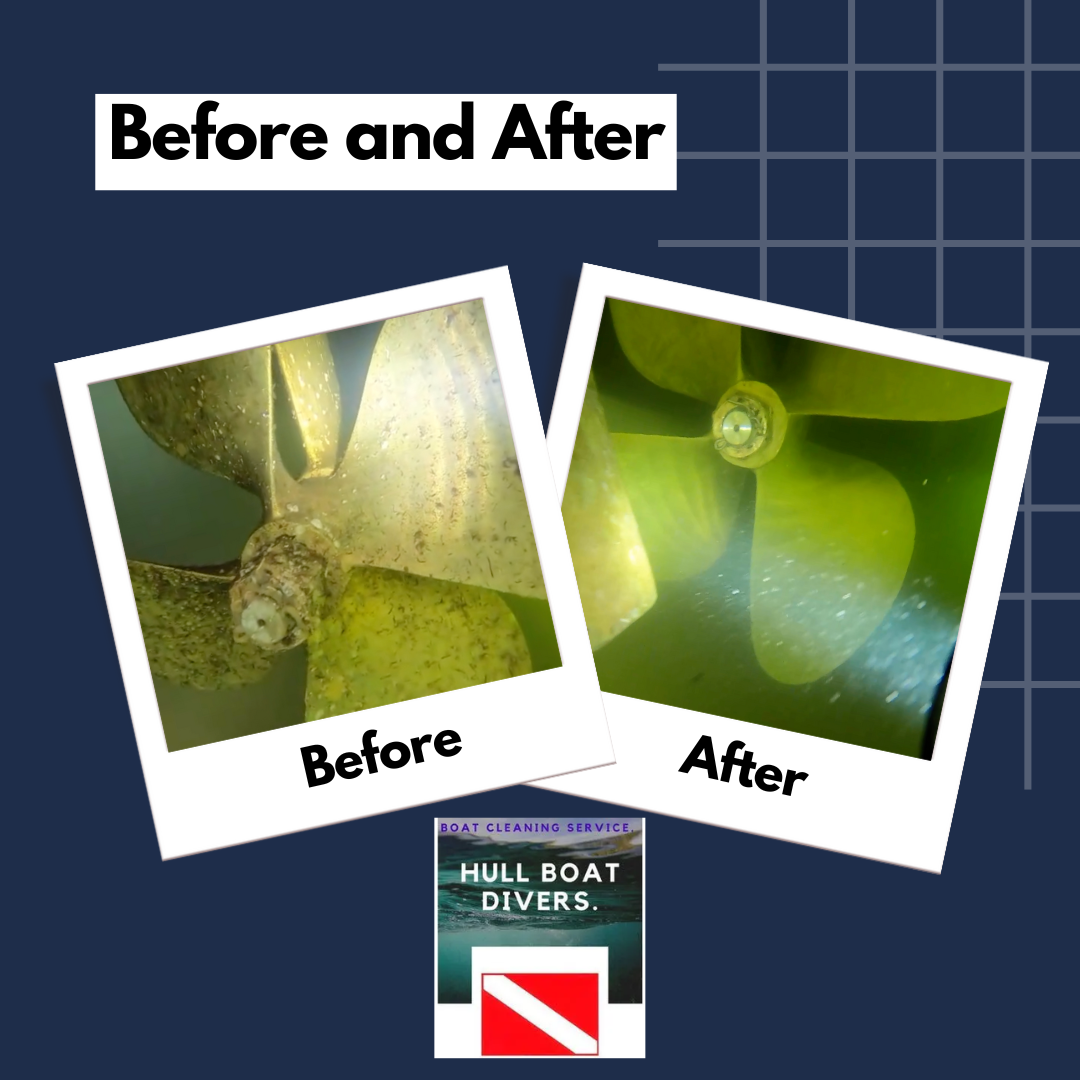
Recent hull cleaning work in Miami Beach
Real project photos from local pros — tap through to their profile.

What Miami Beach owners say
From verified hull cleaning jobs in the area.
“I've used HullBoatDivers for months - zero complaints. Great work. I dive the hull myself to check from time to time and it's in excellent condition. Highly recommended.”
— Jason · HULLBOATDIVERS
What hull cleaning costs in Miami Beach
Hull Cleaning in Miami Beach: what owners should know
Hull cleaning in Miami Beach means working against one of the most aggressive biofouling environments in the country. The warm, brackish waters of Biscayne Bay and the surrounding intracoastal channels create near-perfect conditions for barnacle attachment, algae bloom, and slime buildup year-round — not just during a defined "season." Whether a vessel is kept at a slip or on a mooring, underwater growth can begin accumulating within days in South Florida's subtropical climate. Hull cleaning specifically addresses the underwater surface of the boat: removing marine growth, restoring a smooth hull profile, and protecting vessel performance and fuel efficiency. It differs from a full bottom job in that it focuses on maintenance cleaning rather than paint application or structural repair. Pricing on Boatwork starts at $0 depending on scope and vessel size. With 5 verified local pros averaging a 4.8-star rating, requesting a free estimate is the fastest way to get an accurate number for your boat.
Why Hull Cleaning in Miami Beach Is Its Own Job
Hull cleaning is often grouped under the broader "Hull & Bottom Cleaning" umbrella, but in practice it is a distinct, recurring maintenance task — not a one-time overhaul. Understanding that distinction matters when you're booking a pro in Miami Beach, because the local environment shapes exactly what this job involves and how often you'll need it.
What Hull Cleaning Actually Covers
Hull cleaning refers specifically to the mechanical or hand removal of marine growth from a vessel's underwater surfaces. In Miami Beach, that typically means scrubbing off algae films, soft grass, hard barnacles, and zebra or bryozoan colonies that attach to the hull, running gear, props, and trim tabs. It does not include applying antifouling paint, making structural repairs, or sanding gelcoat — those are separate line items. A pro doing hull cleaning is in the water, usually diving, working by hand or with soft brushes to restore a clean surface without damaging existing paint.
What Drives the Price Up or Down Locally
Several Miami Beach-specific factors push hull cleaning costs higher than in cooler-water markets:
- Frequency of growth: Year-round warm water temperatures mean barnacles and algae don't die off in winter the way they might in northern climates. Boats neglected for even 6–8 weeks can accumulate hard growth that requires significantly more labor. - Vessel size and draft: A 25-foot center console cleaned in relatively shallow, clear water costs far less than a 50-foot sportfish with a deep keel where visibility is poor and the dive takes longer. - Type of growth present: Soft algae scrubs off quickly. Hard barnacle colonies — common on vessels sitting in Biscayne Bay's warmer, nutrient-rich shallows — take considerably more time and can risk paint damage if the antifouling coat is already thin. - Accessibility: Boats in tight slips or on mooring fields where a diver has limited room to maneuver will take longer than vessels anchored in open water.
How Long the Job Takes
For a properly maintained boat cleaned on a regular cycle (every 4–8 weeks in Miami Beach conditions), a hull cleaning typically runs 1–2 hours for smaller vessels. A larger boat with heavier growth that hasn't been cleaned in several months can take a full half-day. Pros generally charge by the foot or by the hour, so the timeline directly drives the final cost.
What to Ask a Pro Before Booking
Before confirming a hull cleaning appointment in Miami Beach, ask these questions:
1. Do you inspect the running gear, props, and zinc anodes as part of the dive, or is that a separate charge? 2. How do you handle hard barnacle growth without damaging existing antifouling paint? 3. Do you provide a condition report or photos after the dive? 4. What is your recommended cleaning interval for a vessel kept in Biscayne Bay versus the intracoastal?
A qualified local pro will have specific answers — not generic ones — because Miami Beach's water conditions require a different maintenance rhythm than most U.S. markets.
Frequently asked questions
What does hull cleaning cost for a boat kept in Miami Beach?
Pricing on Boatwork starts at $0 and scales based on vessel length, the severity of marine growth, and how long the dive takes. Because Miami Beach's warm water produces faster and harder biofouling than cooler U.S. markets, boats that haven't been cleaned in over two months often fall at the higher end of a pro's per-foot rate. Requesting a free estimate through Boatwork lets you get an exact quote from one of the 5 verified local pros based on your specific boat.
How is hull cleaning different from a full bottom job?
Hull cleaning is a maintenance dive — a pro removes existing marine growth from the underwater surfaces without applying paint or doing structural work. A full bottom job involves hauling the vessel, stripping or sanding the bottom, and reapplying antifouling paint. In Miami Beach, most boat owners schedule hull cleanings every 4–8 weeks between bottom paint cycles to protect performance and keep growth manageable.
How often does a Miami Beach boat actually need hull cleaning?
The subtropical water temperature in Biscayne Bay and surrounding Miami Beach waters supports active marine growth twelve months a year, with no true off-season slowdown. Most local pros recommend a cleaning interval of four to six weeks for vessels in active use and no longer than eight weeks even for boats that sit idle. Waiting longer than that significantly increases the labor time and cost of the cleaning, since hard barnacles become much more difficult to remove safely.
What should be included in a professional hull cleaning, and what is typically extra?
A standard hull cleaning covers scrubbing the hull bottom, keel, and waterline area to remove algae, slime, and barnacle growth. Cleaning the propeller, shaft, trim tabs, and inspecting zinc anodes may or may not be included depending on the pro — always confirm before booking. Condition reports, underwater photos, and zinc replacement are commonly offered as add-ons and are worth asking about when you request your estimate.
Hull Cleaning in other cities
Need hull cleaning in Miami Beach?
Get matched with a vetted local pro — no cost to request.
Request an Estimate →

