Ceramic Coating Application in Pensacola, FL
Found 16 verified ceramic coating application professionals in Pensacola
Top ceramic coating application pros in Pensacola
Ordered by rating and review volume.


Recent ceramic coating application work in Pensacola
Real project photos from local pros — tap through to their profile.
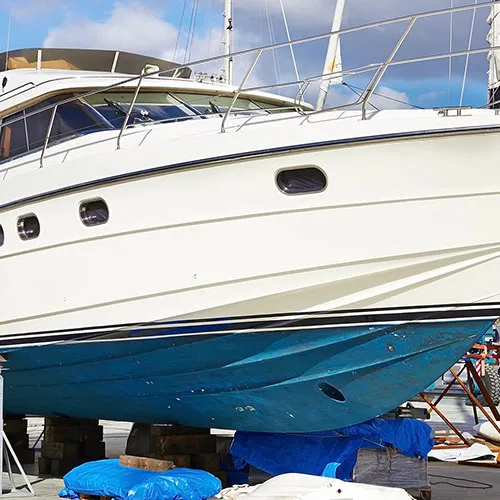
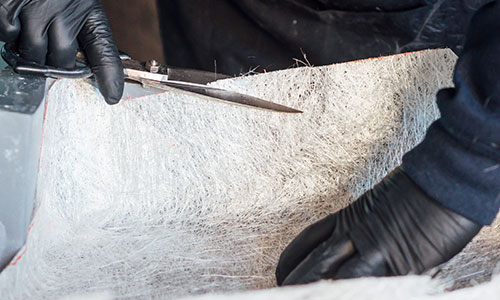


What ceramic coating application costs in Pensacola
Ceramic Coating Application in Pensacola: what owners should know
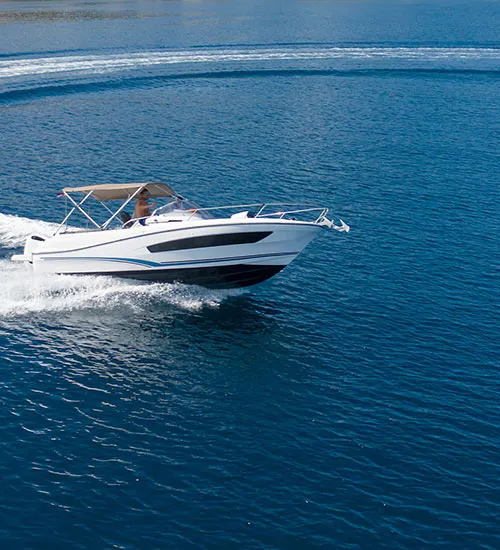
Ceramic coating application is a professional-grade protective treatment that bonds a semi-permanent hydrophobic layer directly to a boat's gelcoat, fiberglass, or painted surfaces — shielding it from UV oxidation, salt spray, and waterline staining. In Pensacola, where boats regularly face the combined assault of Gulf of Mexico salt air, intense summer UV exposure, and extended wet seasons in Santa Rosa Sound and Pensacola Bay, a quality ceramic coating offers durability that standard waxing simply can't match. The coating process involves thorough surface decontamination, light paint correction, and precise application of the ceramic product, followed by a curing period before the vessel returns to the water. Pricing starts around $0 depending on vessel size and surface condition, with 16 verified local pros averaging a 4.6-star rating ready to assess your boat. Request a free estimate today to find out what's right for your hull.
How Ceramic Coating Application Differs from Standard Boat Detailing
A routine detail cleans and temporarily protects a boat's surfaces. Ceramic coating goes several steps further: it chemically bonds to the substrate and, when cured properly, can last two to five years with proper maintenance. Understanding what separates this service from a standard wash-and-wax is essential before hiring a pro in Pensacola.
What the Job Actually Involves
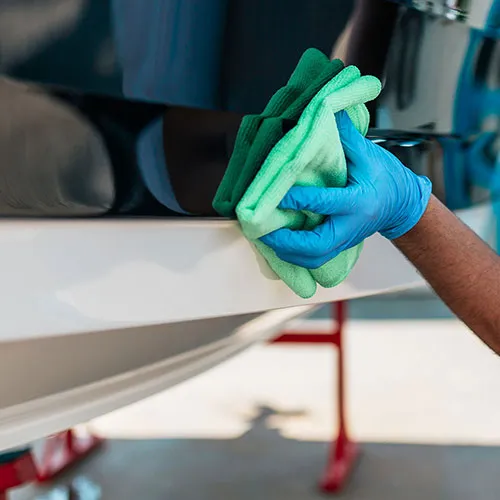
Ceramic coating application is not a single-step process. Before any coating is applied, the hull and deck surfaces must be fully decontaminated — removing salt deposits, oxidation, algae staining, and embedded contaminants that are common on boats running in Pensacola Bay. Depending on the gelcoat or paint condition, light to moderate paint correction (compounding and polishing) is performed first. Skipping this step traps imperfections under the coating permanently. Only after a clean, corrected surface is confirmed does the actual ceramic product get applied in thin, overlapping passes. Curing typically requires 24–72 hours in a controlled or sheltered environment before water contact.
What Drives the Price Up or Down in Pensacola
Several factors move the final cost significantly:
- Vessel size and surface area — A 20-foot center console costs far less than a 45-foot sportfisher. - Surface condition — Heavy oxidation from Gulf UV exposure means more correction work before coating, adding labor hours. - Number of surfaces coated — Hull only, hull and deck, or full vessel including metal hardware and glass all carry different price points. - Coating tier — Consumer-grade, professional-grade single-layer, and multi-layer professional systems have meaningfully different material costs and cure requirements. - Curing environment — Pensacola's summer humidity can affect cure times; some pros schedule application during cooler months or use climate-controlled spaces, which may factor into pricing.
How Long the Job Takes
For a mid-size boat in fair condition, expect the full process — decontamination, correction, application, and initial cure — to span one to three full days. Larger vessels or those needing significant oxidation removal can run three to five days. Plan for the boat to be unavailable for at least 48 hours after application.
Questions to Ask a Pensacola Pro Before Booking
- What specific ceramic product brand and grade do you use, and what's the rated durability? - Does your quote include paint correction, or is that a separate line item? - Where will curing take place — in a covered slip, a shop, or outdoors? How do you handle Pensacola's humidity during cure? - What maintenance routine is required to preserve the coating warranty? - Do you offer any coating warranty or reapplication guarantee?
Getting clear answers to these questions upfront prevents surprises and ensures the finished coating performs as expected in the demanding Gulf Coast environment.
Frequently asked questions
What does ceramic coating application typically cost for a boat in Pensacola?
Pricing varies widely based on vessel size, current surface condition, and the coating system selected. A small center console starting in good condition costs considerably less than a large cruiser requiring extensive oxidation correction before the coating can be applied. Requesting a free estimate through Boatwork is the most reliable way to get an accurate quote from a verified local pro who can assess your specific boat.
How long does a ceramic coating last on a boat used in Pensacola Bay and Gulf waters?
A professionally applied ceramic coating typically lasts two to five years, depending on coating grade, application quality, and how well the boat is maintained afterward. Pensacola's combination of intense UV exposure and salt-air environment means surface prep quality before application is especially critical — a coating applied over under-corrected gelcoat will fail or look poor much sooner than one applied to a properly prepared surface.
Is ceramic coating the same as waxing or a sealant, and is it worth the higher cost?
No — ceramic coating chemically bonds to the surface rather than sitting on top of it, making it significantly more durable than wax or synthetic sealants that typically last a few months. For boats stored in the water or trailered frequently in Pensacola's coastal climate, the reduced maintenance burden and longer protection cycle often justify the upfront investment when compared to repeated seasonal wax applications.
Does the entire boat need to be out of the water for ceramic coating to be applied?
In most cases, yes — the surfaces being coated need to be clean, dry, and accessible, and the boat should remain out of the water for the full curing period, typically 24 to 72 hours after application. Some pros in the Pensacola area work out of covered facilities or use shaded marina environments for staging, but water contact during the cure window will compromise adhesion and longevity.
Explore
Ceramic Coating Application in other cities
Need ceramic coating application in Pensacola?
Get matched with a vetted local pro — no cost to request.
Request an Estimate →

