Boat wiring and rewiring in Stuart, FL
Found 33 verified boat wiring and rewiring professionals in Stuart
Top boat wiring and rewiring pros in Stuart
Ordered by rating and review volume.


_JPG.jpg)

Recent boat wiring and rewiring work in Stuart
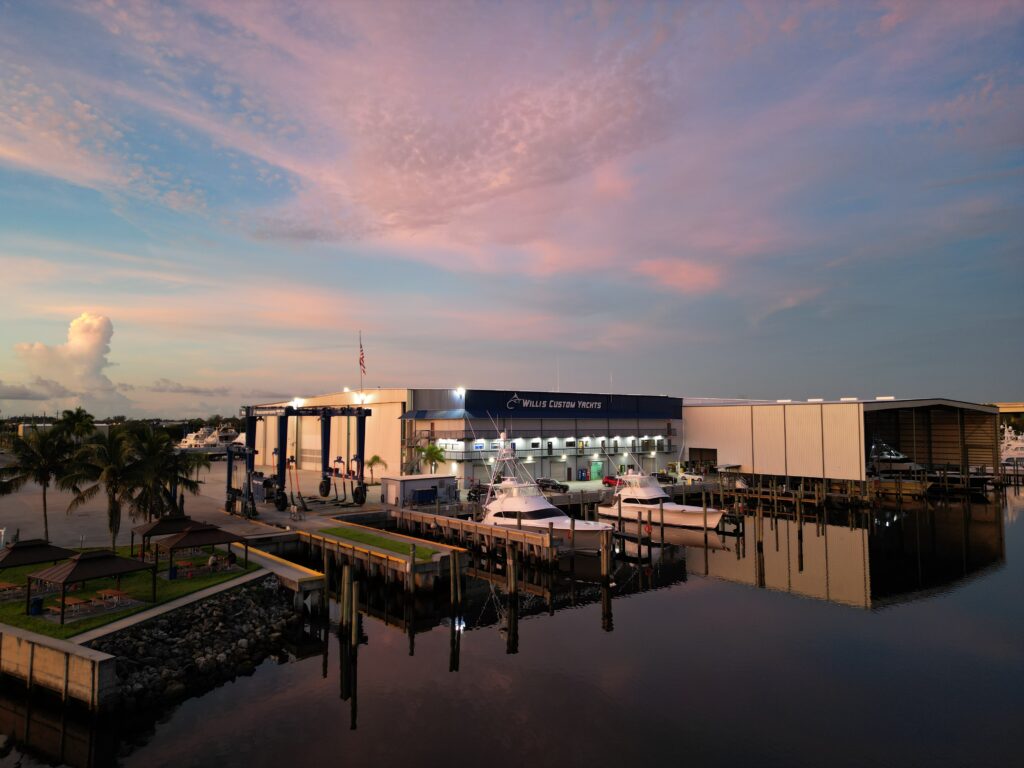
Real project photos from local pros — tap through to their profile.



What boat wiring and rewiring costs in Stuart
Boat wiring and rewiring in Stuart: what owners should know
Boat wiring and rewiring is one of the most involved marine electrical jobs a Stuart owner can face — and one of the most necessary. Salt air, intense UV exposure, and the year-round humidity of the Treasure Coast accelerate corrosion on terminals, connectors, and wire insulation far faster than in cooler climates, meaning even a five-year-old boat can present wiring that's brittle, overloaded, or simply undersized for added electronics. The job ranges from tracing and replacing a single corroded circuit to pulling every wire in the vessel and rebuilding the harness to ABYC standards. Whether you're dealing with flickering navigation lights, a bilge pump that won't respond, or a full refit on a boat headed back into the St. Lucie River, the work typically starts around $195 and scales with the size and condition of the boat. Request a free estimate from a verified Stuart pro to find out exactly what your project requires.
Why Boat Wiring and Rewiring Is a Different Animal From General Marine Electrical Work
Replacing a broken chart plotter or adding a VHF radio is a discrete task. Boat wiring and rewiring is a systemic job — it means assessing, removing, and rebuilding the conductors and connections that power every circuit aboard. That distinction matters enormously when you're comparing quotes or planning a project timeline in Stuart.
What the Scope Actually Looks Like
A partial rewire might target one circuit family — say, all DC runs to the helm — while a full rewire strips the boat back to bare panels and starts fresh. In Stuart's marine environment, where boats often run inshore through the St. Lucie River and offshore into the Atlantic within the same trip, wiring must handle both high-vibration open-water conditions and the persistent moisture of brackish inland waterways. Pros here frequently find that factory wiring on production boats used tinned copper but underrated for the loads owners have added over the years — autopilots, inverters, and multi-transducer fishfinders all pull more amperage than the original harness anticipated.
What Drives the Price Up or Down
The $195 starting point generally covers diagnostic work or a single straightforward circuit replacement. From there, price drivers include:
- Wire count and run length — a 40-foot center console has dramatically longer runs than a 22-foot bay boat - Panel complexity — older analog panels with no bus bar organization require more labor to trace before anything can be replaced - Access difficulty — foam-filled hulls and finished cabin liners mean some runs require hours of careful disassembly - Standards compliance — rewires done to ABYC E-11 spec (color coding, tinned marine-grade wire, proper ampacity) cost more upfront but eliminate repeat problems - Corrosion extent — wiring that has been wet for years may have compromised ring terminals throughout, multiplying connector replacement time
How Long the Job Takes in Practice
A single-circuit repair on an accessible run might take two to four hours. A full rewire on a 30-foot cruiser routinely runs three to five days of shop or on-site labor. Stuart's busy season, roughly November through April when transient boats arrive from the north, means booking in advance matters — local pros' schedules compress quickly during those months.
Questions Worth Asking Before Work Starts
Before any Stuart pro touches your boat's wiring, clarify these points:
- Will the work meet ABYC E-11 standards, and will you get documentation? - Are wire runs being labeled at both ends for future serviceability? - Is the quote for marine-grade tinned wire, or general automotive wire? - What happens if additional corrosion or hidden damage is discovered mid-job?
Getting specific answers to those questions — and comparing them across multiple bids — is exactly what a free Boatwork estimate conversation is designed to surface.
Frequently asked questions
What does a boat wiring and rewiring job in Stuart typically cost?
Projects in Stuart generally start around $195 for basic diagnostic or single-circuit work, but a full rewire on a larger vessel can run several thousand dollars once labor, marine-grade tinned wire, terminals, and panel work are factored in. The biggest cost variables are the length and complexity of the wire runs and how much corrosion damage exists beneath the surface. Requesting a free estimate from a verified local pro is the most reliable way to get a number specific to your boat's size and condition.
How long does it take to rewire a boat?
A targeted repair on one accessible circuit can be completed in a few hours, while a comprehensive rewire on a 28- to 35-foot cruiser typically requires three to five full working days. Boats with foam-filled cavities, finished interior liners, or heavily corroded panels take longer because tracing and accessing runs adds significant time before any new wire is even pulled. Providing the pro with the boat's make, model, and a description of current issues before the estimate helps them give you a realistic timeline.
What's actually included in a rewire versus a simple electrical repair?
A repair addresses one failed or failing circuit — replacing a corroded terminal, fixing a broken switch leg, or adding a fused tap for a new accessory. A rewire replaces the conductors, terminals, and often the panel connections across multiple circuits or the entire boat, and should include proper wire sizing, color coding to ABYC standards, and labeled runs at both ends. Stuart boats that have accumulated years of owner-added electronics often need a hybrid approach, where the original factory wiring is left in place but all aftermarket additions are rebuilt correctly.
Does Stuart's climate make boat wiring deteriorate faster than in other regions?
Yes — the combination of salt air off the Atlantic, high year-round humidity, and strong UV exposure along the Treasure Coast is particularly aggressive on wire insulation, ring terminals, and any connection that isn't fully sealed. Boats kept in the water continuously or trailered and launched frequently in brackish water see accelerated corrosion compared to boats in drier inland areas. Having a local pro inspect your wiring before problems appear can catch failing insulation or corroded terminals early, when the fix is still a repair rather than a full rewire.
Explore
Boat wiring and rewiring in other cities
Need boat wiring and rewiring in Stuart?
Get matched with a vetted local pro — no cost to request.
Request an Estimate →

