Boat wiring and rewiring in Fort Lauderdale, FL
Found 68 verified boat wiring and rewiring professionals in Fort Lauderdale
Top boat wiring and rewiring pros in Fort Lauderdale
Ordered by rating and review volume.
816 Marine Electric

Drew's Marine Service

Concord Marine Electronics

Magna Marine Services

Onboard Marine Services

Voyager Maritime Alliance Group
Recent boat wiring and rewiring work in Fort Lauderdale
Real project photos from local pros — tap through to their profile.


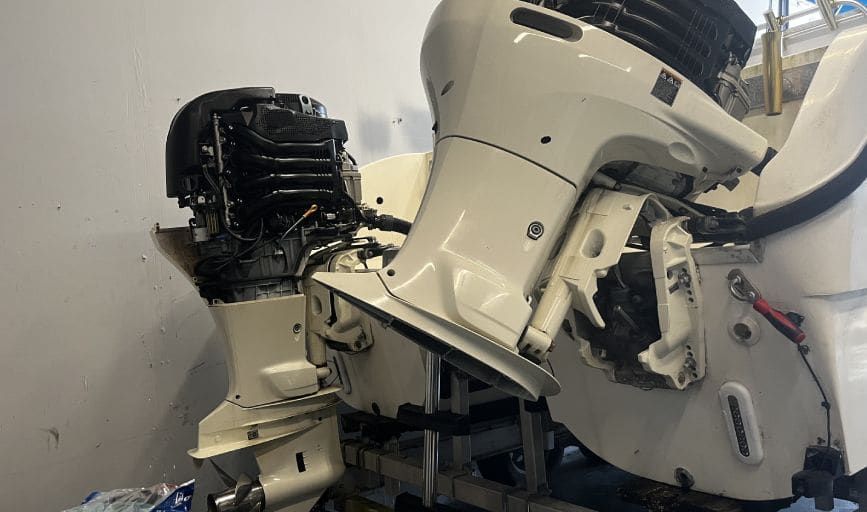
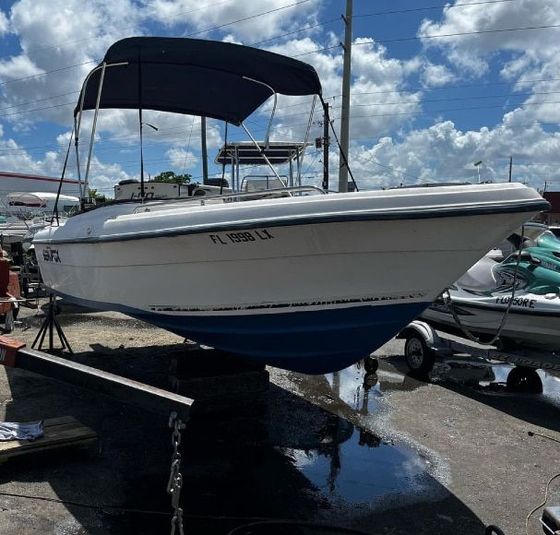

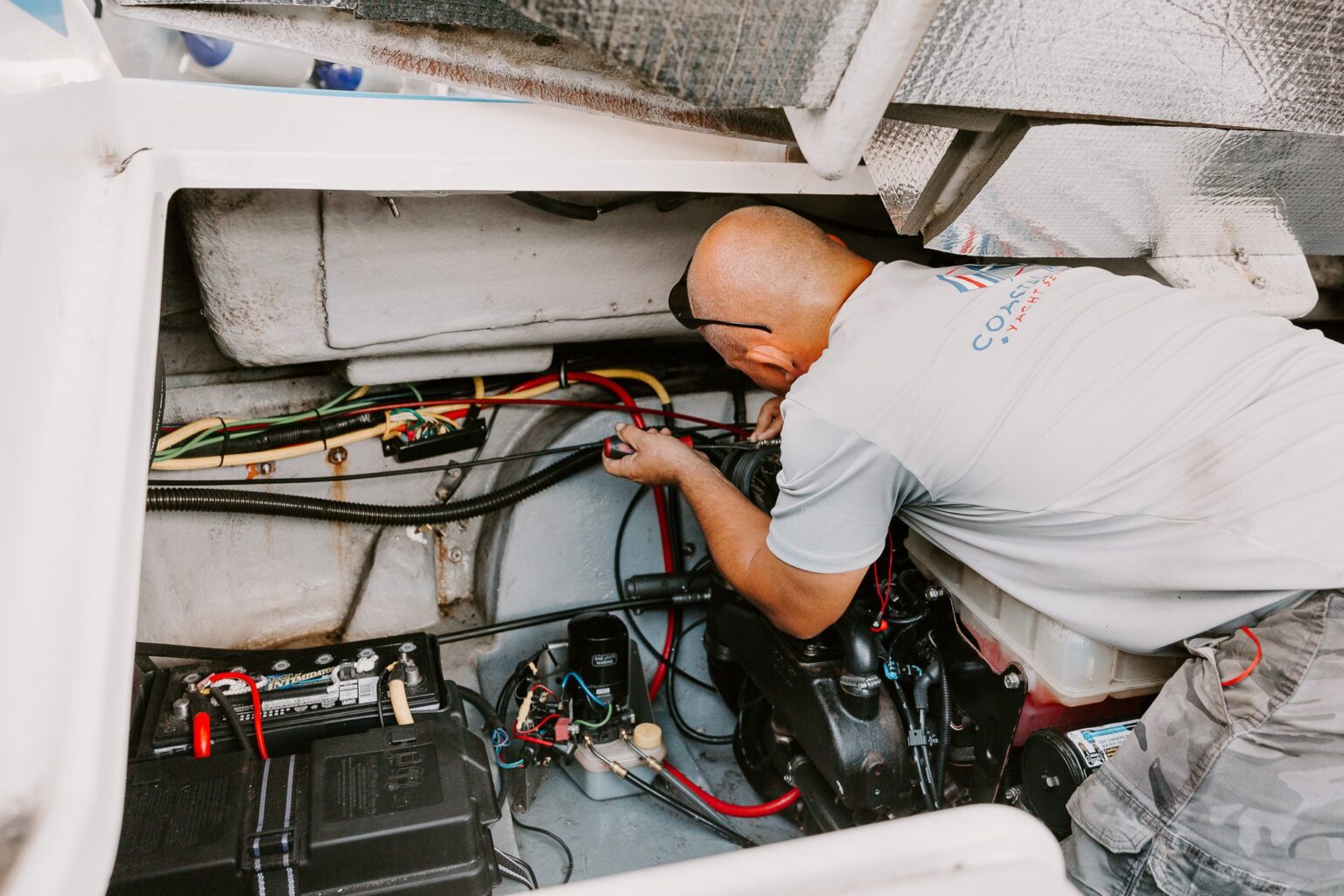
What Fort Lauderdale owners say
From verified boat wiring and rewiring jobs in the area.
“Their team handled every detail – from dockage to repairs- while we prepped for a long charter season.”
— Yacht Management Co. · Universal Marine Center
“The team at AWJ has bailed me out on more than one occasions. They are very easy to work with and always have the fastest turnaround times!”
— Pedro G. · Advanced Waterjet Solutions
“Great Detailing at very affordable rate. Had my Intrepid 300 all detailed, waxed, teak cleaning, hull cleaned. Smooth Sailing!”
— Christian · Fort Lauderdale Boat Cleaning
What boat wiring and rewiring costs in Fort Lauderdale
Boat wiring and rewiring in Fort Lauderdale: what owners should know
Boat wiring and rewiring is one of the most involved electrical jobs a marine technician can take on — and in Fort Lauderdale, where boats are worked hard year-round in saltwater, corroded and degraded wiring is a recurring reality rather than an occasional problem. The job ranges from replacing a single corroded circuit to pulling every conductor off a vessel and starting fresh with ABYC-compliant marine-grade wire, tinned copper conductors, heat-shrink connections, and properly rated circuit protection. Owners of aging cruisers, liveaboards in local marinas, and anyone prepping a vessel for offshore passages are the most common clients. Fort Lauderdale's humid, salt-laden air accelerates wire degradation faster than inland environments, making periodic inspection and rewiring a genuine safety concern rather than a cosmetic upgrade. Pricing typically starts around $195, though full rewires on larger vessels climb significantly. Request a free estimate to get a number specific to your boat.
Why Boat Wiring and Rewiring Is Its Own Animal
Replacing a shore-power outlet and completely rewiring a 42-foot sportfish are both "marine electrical" work, but they share almost nothing in terms of labor, materials, or complexity. Boat wiring and rewiring is the deeper, more disruptive subset of that category — it means accessing behind panels, under berths, inside engine rooms, and through conduit runs that were never designed to be reopened.
What Drives the Price Up or Down in Fort Lauderdale
The $195 starting point applies to targeted single-circuit work: replacing a corroded bilge pump lead, adding a new 12V outlet, or troubleshooting and repairing one failed circuit. Full or partial rewires are priced by the foot of wire run, the number of circuits, and the vessel's age and build quality.
Fort Lauderdale's climate is a real cost factor. Boats kept in the water year-round in South Florida's saltwater environment suffer galvanic corrosion and moisture intrusion at a rate that accelerates wiring degradation — tinned copper conductors corrode at connection points even when the wire jacket looks fine from the outside. A rewire that might be precautionary on a Pacific Northwest boat is often urgent on a Fort Lauderdale vessel of the same age. Pros here frequently uncover cascading problems once panels are opened: undersized conductors from original factory wiring, non-marine-rated wire used in past repairs, or terminals that are green all the way through.
Boat type also drives cost. A center console rewire is straightforward compared to a trawler or motorsailer where wire runs pass through multiple bilge spaces, fuel tank voids, and enclosed engine rooms requiring extra time, materials, and safety precautions.
How Long the Job Takes
A targeted repair or single-circuit addition can be completed in two to four hours. A partial rewire — say, redoing the DC panel and all distribution circuits on a 35-foot boat — typically runs two to three days. Full rewires on larger vessels can extend to a week or more. Expect some downtime, and plan around it if the boat is your primary vessel.
What to Ask a Pro Before Work Starts
Ask whether they work to ABYC E-11 standards, which govern marine electrical systems — this matters for insurance and resale. Ask whether the quote covers wire, terminals, and circuit protection or labor only. Ask whether they will document the completed circuits with an updated wiring diagram; in Fort Lauderdale's active charter and brokerage market, proper documentation adds measurable resale value. Finally, ask whether they will perform a load test on completed circuits before signing off.
Frequently asked questions
What does the ~$195 starting price actually cover for boat wiring work in Fort Lauderdale?
That entry-level price typically covers a single-circuit repair or small addition — diagnosing a failed circuit, replacing corroded wire on one run, or adding a new 12V accessory outlet. Anything involving multiple circuits, a panel replacement, or a full rewire will be quoted at a higher rate based on your specific vessel. Requesting a free estimate through Boatwork is the fastest way to get a number matched to your boat's actual scope.
How does Fort Lauderdale's environment specifically affect boat wiring compared to other regions?
Year-round saltwater use and high humidity accelerate corrosion at terminals, butt connectors, and panel connections faster than in temperate or freshwater environments. Tinned copper wire — the marine standard — resists this better than bare copper, but even tinned wire in poor-quality or aging connections will fail sooner in South Florida conditions. Pros working in Fort Lauderdale routinely budget for more terminal replacements and conduit cleaning than they would on comparable boats elsewhere.
Can a partial rewire be done while the boat stays in the water, or does it need to be hauled?
Most wiring and rewiring work can be performed with the boat in the slip — it does not require a haul-out unless the job involves through-hull-adjacent wiring or work in areas only accessible from outside the hull. The boat will need shore power disconnected and battery banks isolated during active work, so plan for systems to be offline in shifts throughout the job.
How do I know if my boat needs spot repairs or a full rewire?
Signs that point toward a full rewire rather than targeted repairs include repeated circuit failures in different areas of the boat, visible green or white corrosion on multiple terminals, non-marine-rated wire found during past repairs, or a vessel over 20 years old that has never had its wiring assessed. A qualified pro can inspect the existing system and give you an honest scope recommendation — use Boatwork to request a free estimate and get that assessment from a rated Fort Lauderdale marine electrician.
Explore
Boat wiring and rewiring in other cities
Need boat wiring and rewiring in Fort Lauderdale?
Get matched with a vetted local pro — no cost to request.
Request an Estimate →

