Boat refit contractor sourcing in Fort Lauderdale, FL
Found 26 verified boat refit contractor sourcing professionals in Fort Lauderdale
Top boat refit contractor sourcing pros in Fort Lauderdale
Ordered by rating and review volume.



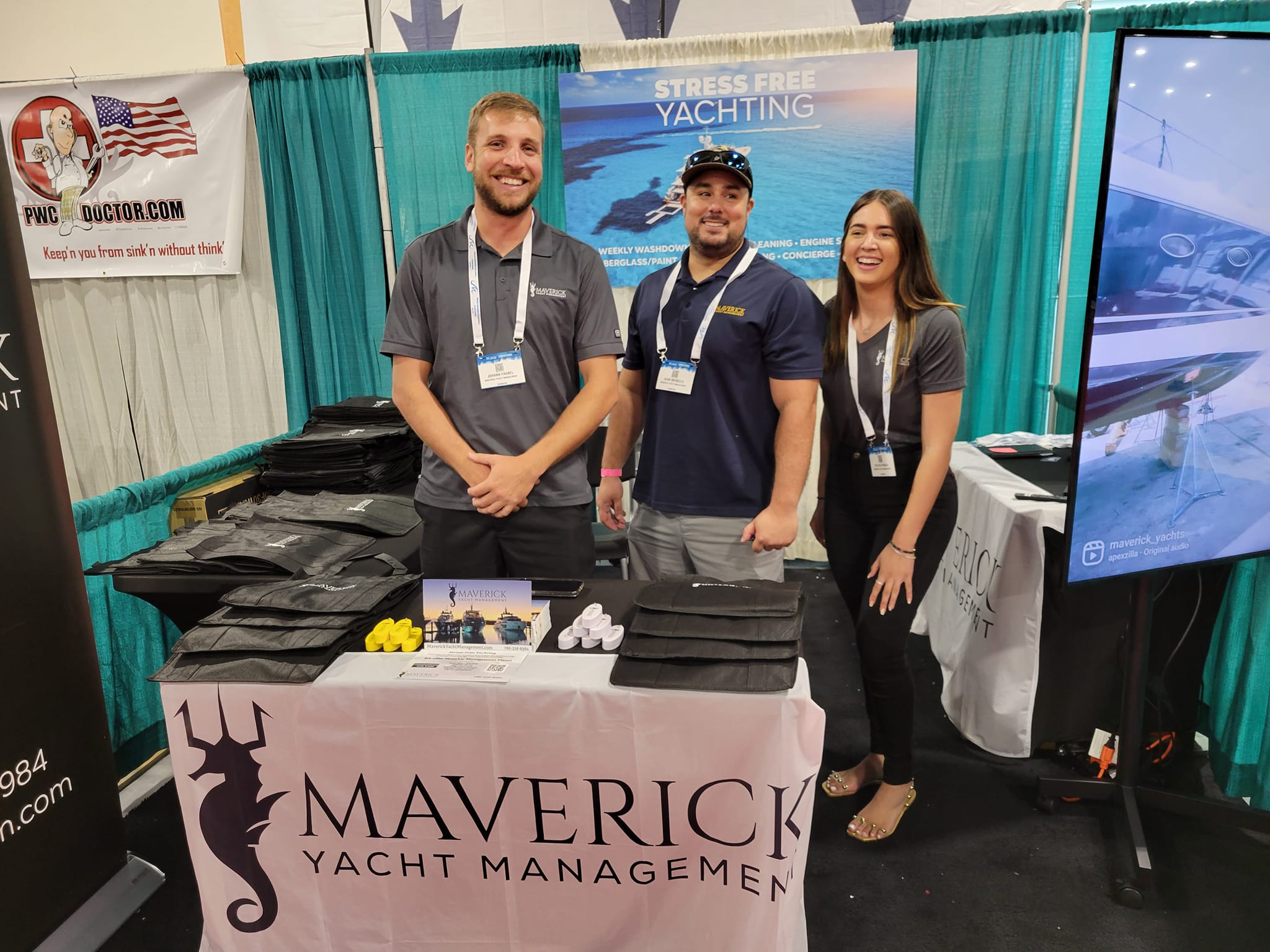
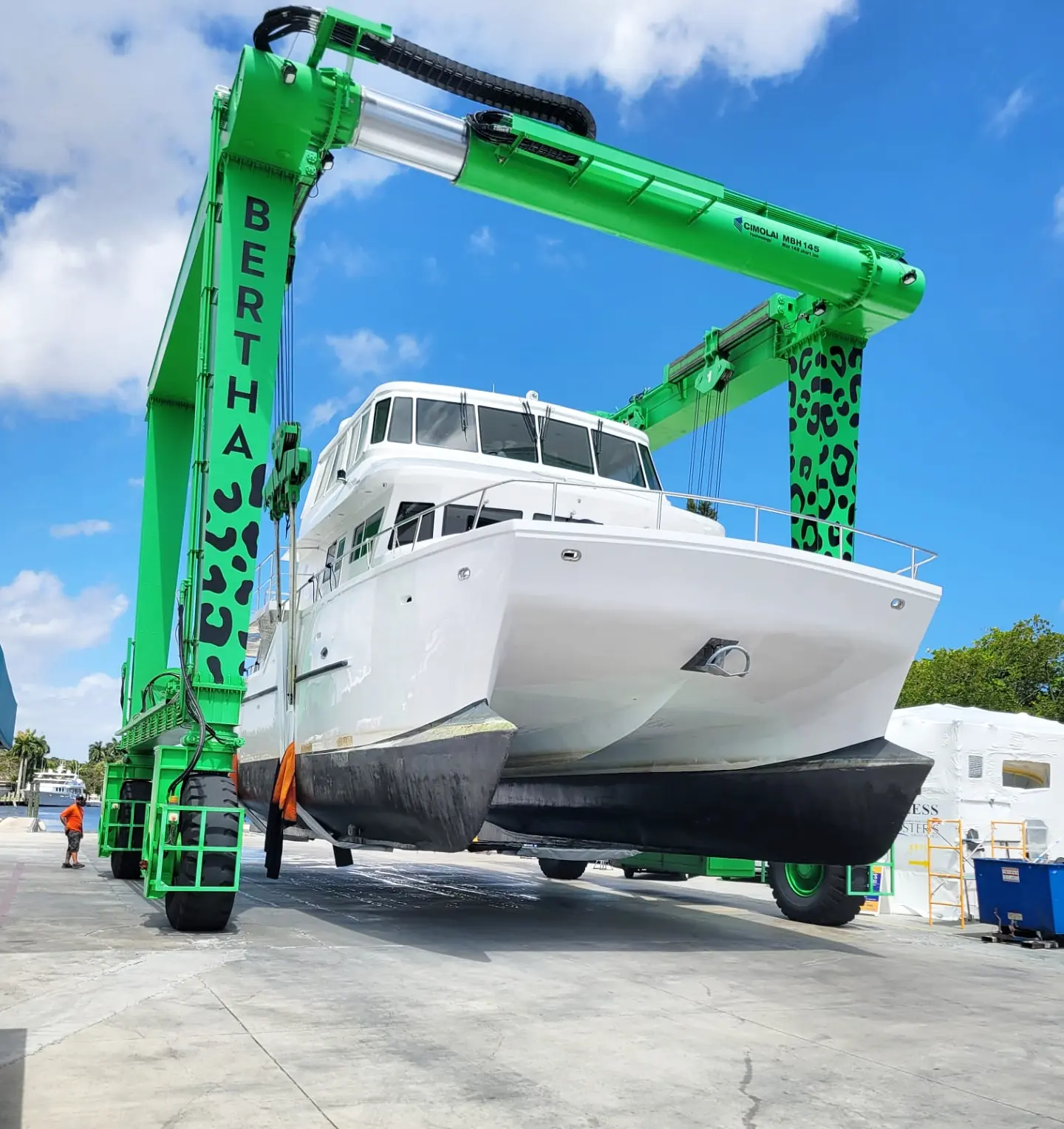
Recent boat refit contractor sourcing work in Fort Lauderdale
Real project photos from local pros — tap through to their storefront.



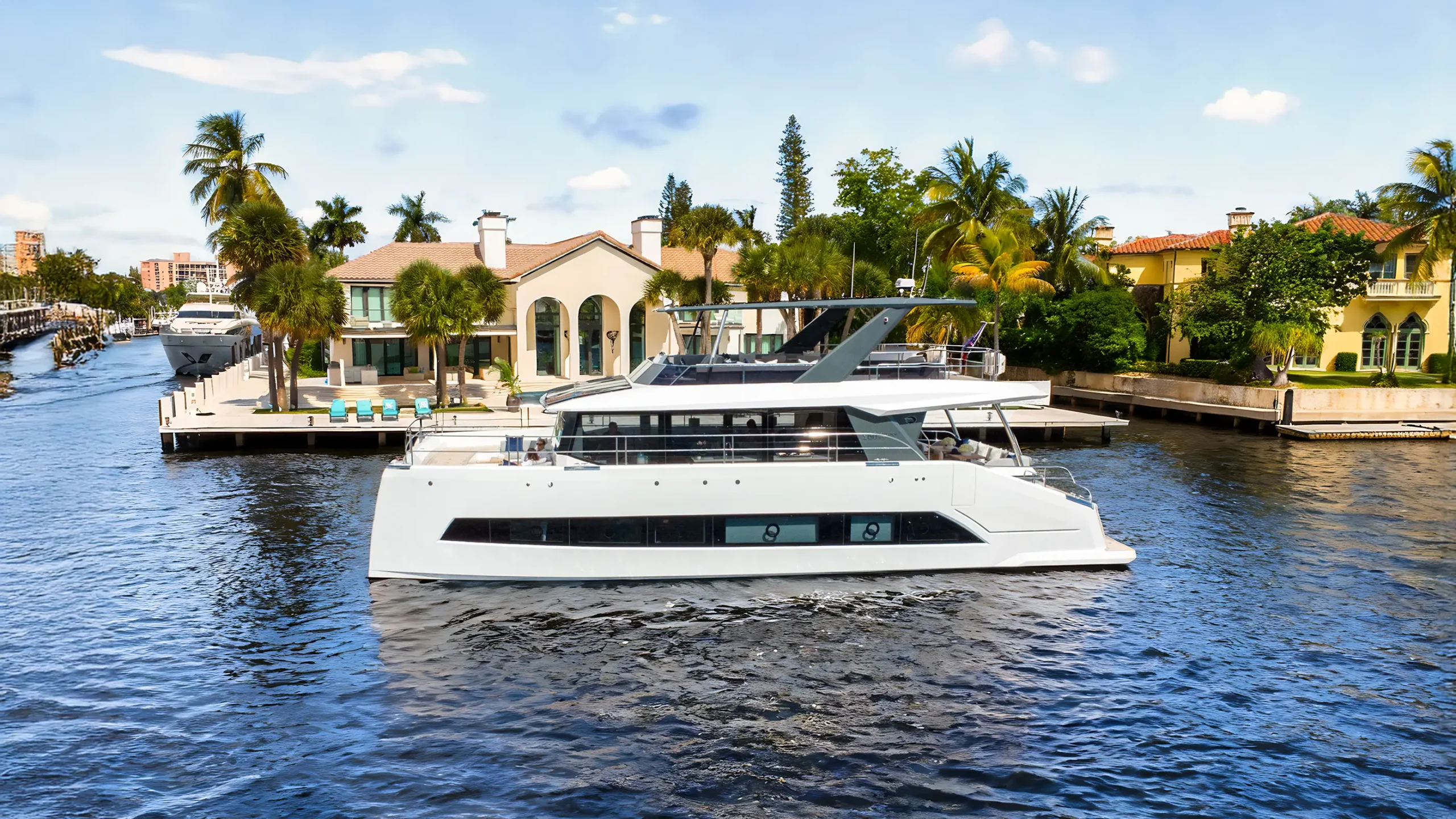


Typical job length: 2 weeks - 12 months
Boat refit contractor sourcing in Fort Lauderdale: what owners should know
Boat refit contractor sourcing in Fort Lauderdale is the work of finding, vetting, and lining up the right trades for a major refit before any work begins. Instead of hiring one shop to fix one thing, the owner needs a coordinated group of specialists, such as painters, electricians, mechanical techs, fabricators, and canvas and upholstery makers, working to a defined scope and sequence. In a city built around canals, the New River, and the Intracoastal Waterway, with a deep concentration of marine trades, finding a contractor is rarely the hard part. The hard part is knowing which ones fit your boat and who can actually fit your schedule. This service suits owners of newly purchased boats, seasonal owners planning ahead, and anyone taking on a systems, interior, or finish upgrade. Boatwork lists 26 active verified pros here who handle this work, with an average rating of 4.4 out of 5. Request a free estimate to get matched.
Why Boat refit contractor sourcing differs
Most marine jobs start with a known problem and a single trade. Refit sourcing starts with a goal, such as a refreshed salon, rewired electronics, new topsides, or a repowered engine room. The task is to turn that goal into a package of contractors who can deliver it without stepping on each other. The deliverable is a vetted shortlist, comparable quotes, and a workable order of operations, not a repaired part.
What the scope usually covers
- Writing a refit scope that separate trades can quote against on equal terms - Identifying which specialties the project needs and which can be bundled - Checking credentials, insurance, references, and past work on similar vessels - Comparing bids line by line, including exclusions and allowances - Sequencing trades so that, for example, dirty fabrication and sanding finish before paint, varnish, and upholstery
What moves the cost up or down
The size and type of the vessel set the baseline, and condition matters just as much. Hidden problems found at demolition, such as wet core, aging wiring, or corroded fittings, are the most common reason a refit grows. Other drivers are the number of trades involved, the grade of materials and equipment specified, how much of the work can be done afloat versus on the hard, and how easy it is to reach the boat. Choosing a project manager or a general contractor to coordinate the work also changes how the cost is structured.
How long it takes
Sourcing takes time before any wrenches turn. Scoping, collecting bids, and confirming trade availability often take longer than owners expect, and the refit itself can run from weeks to many months depending on size and complexity. Long-lead items such as specialty equipment or custom fabrication can set the pace for the whole project.
Fort Lauderdale factors
- Trade density: Many specialists work in the area, so owners can compare several bids per trade. A contractor's reputation and open schedule matter more than simple availability. - Hurricane season: The Atlantic season runs June through November, and storm preparations can interrupt schedules. Ask how a contractor handles delays and where your boat will be kept during the work. - Sun, heat, and humidity: South Florida's climate is hard on finishes, canvas, seals, and wiring. Ask what materials a pro recommends for this environment. - Waterway access: Canals, bridges, and the Intracoastal affect how a boat gets to a yard or a dock, and some jobs are better done where the boat is than where the contractor is.
What to ask a pro
1. Have you managed refits on boats of similar size and type? 2. Which trades do you use directly, and which do you subcontract? 3. How are change orders and hidden-condition discoveries handled? 4. What does your quote exclude? 5. How do you sequence trades, and how will you report progress?
Frequently asked questions
What is included in boat refit contractor sourcing?
It typically covers defining the refit scope, identifying the trades needed, vetting and comparing contractors, and sequencing the work. The refit labor and materials themselves are normally quoted separately by each trade or by a project manager.
What affects the cost of sourcing contractors for a refit in Fort Lauderdale?
The main drivers are vessel size, current condition, the number of trades involved, material and equipment choices, and whether the work is done afloat or on the hard. Hidden issues found during demolition can also change the scope of the project.
How long does it take to source and line up refit contractors?
Scoping, collecting bids, and confirming schedules usually take longer than owners expect, and the timeline grows with project complexity. Hurricane season and long-lead equipment can also affect when work can start.
How do I get matched with a refit contractor in Fort Lauderdale?
Boatwork lists 26 active verified pros here who handle this work, with an average rating of 4.4 out of 5. Request a free estimate with a short description of your boat and goals to start comparing options.
Explore
Boat refit contractor sourcing in other cities
Need boat refit contractor sourcing in Fort Lauderdale?
Get matched with a vetted local pro — no cost to request.
Request an Estimate →

