ABYC Certified Technician in Fort Lauderdale, FL
Found 56 verified abyc certified technician professionals in Fort Lauderdale
Top abyc certified technician pros in Fort Lauderdale
Ordered by rating and review volume.




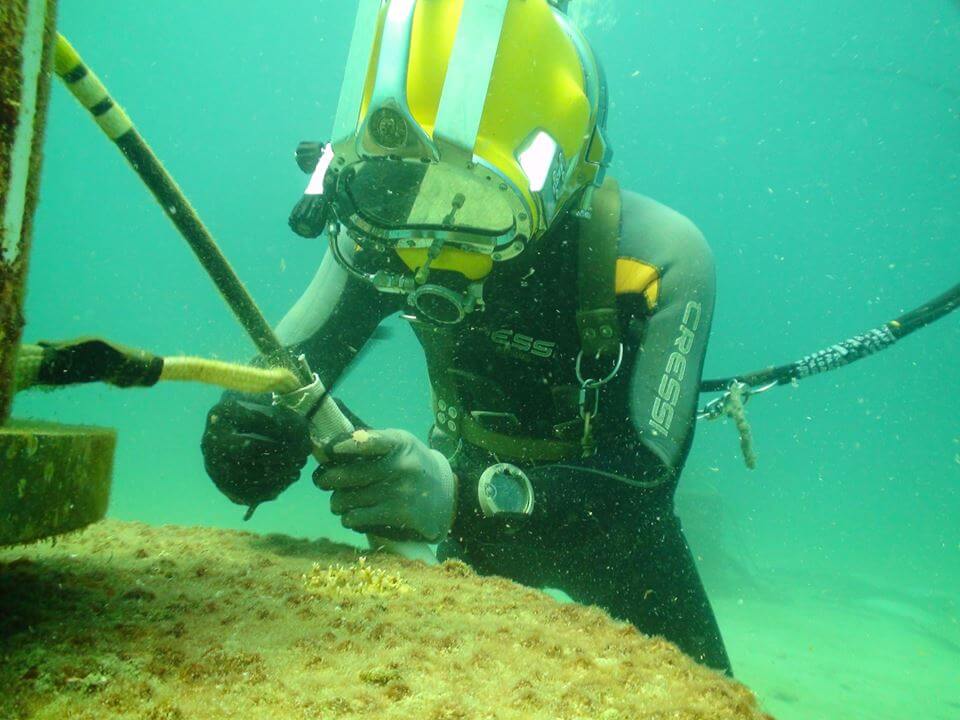
Recent abyc certified technician work in Fort Lauderdale
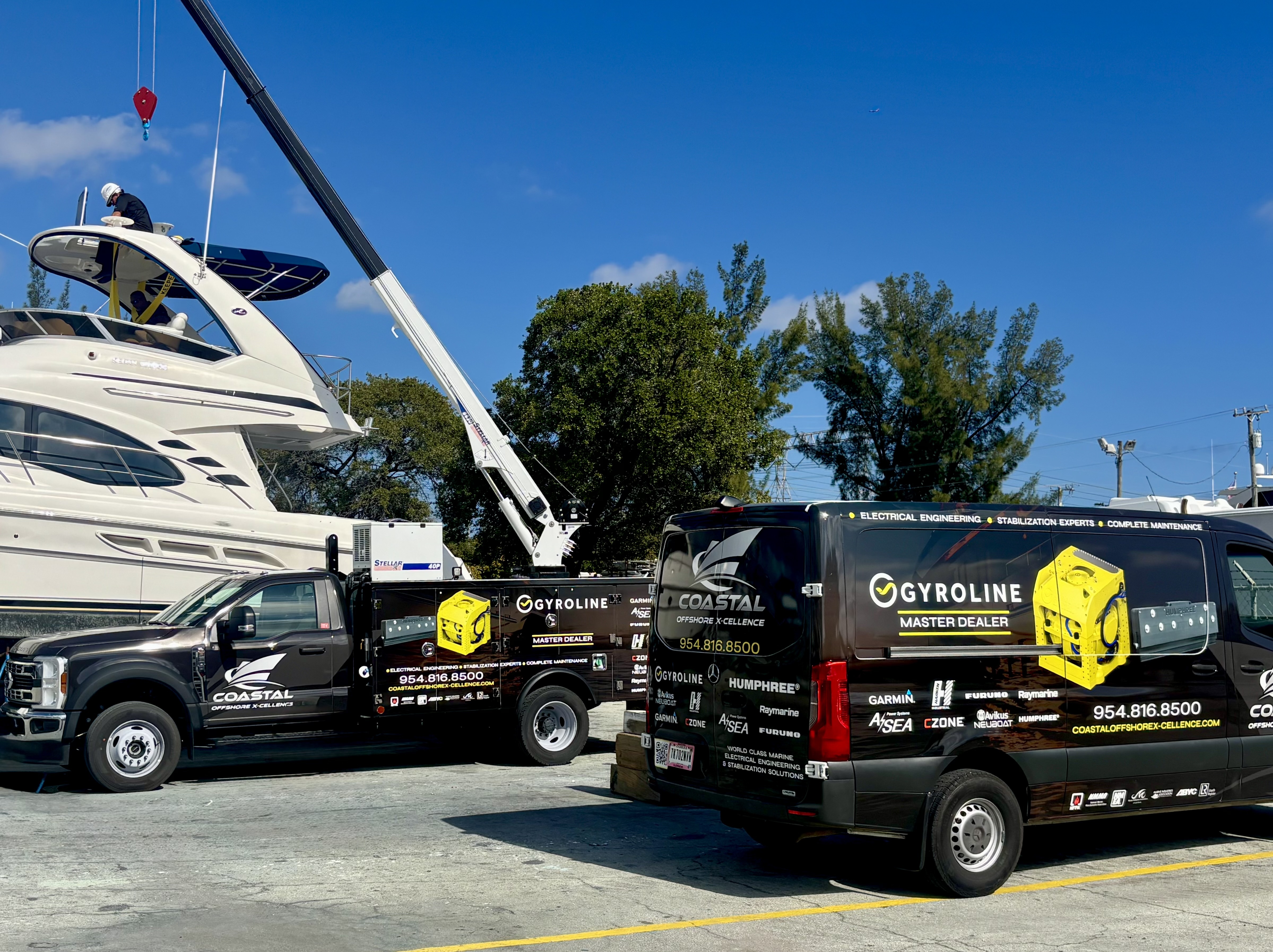
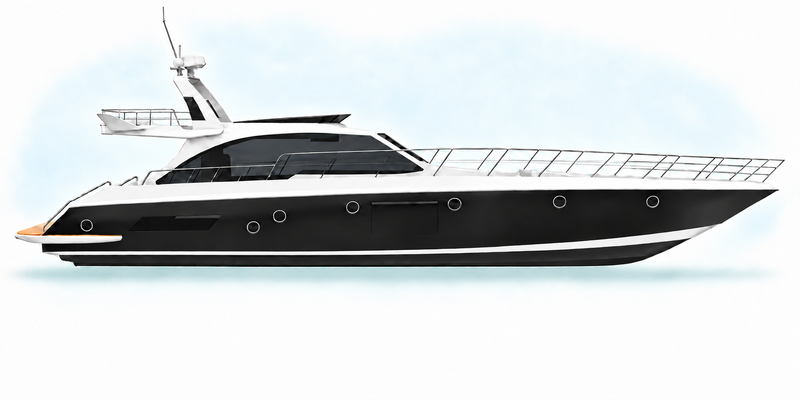
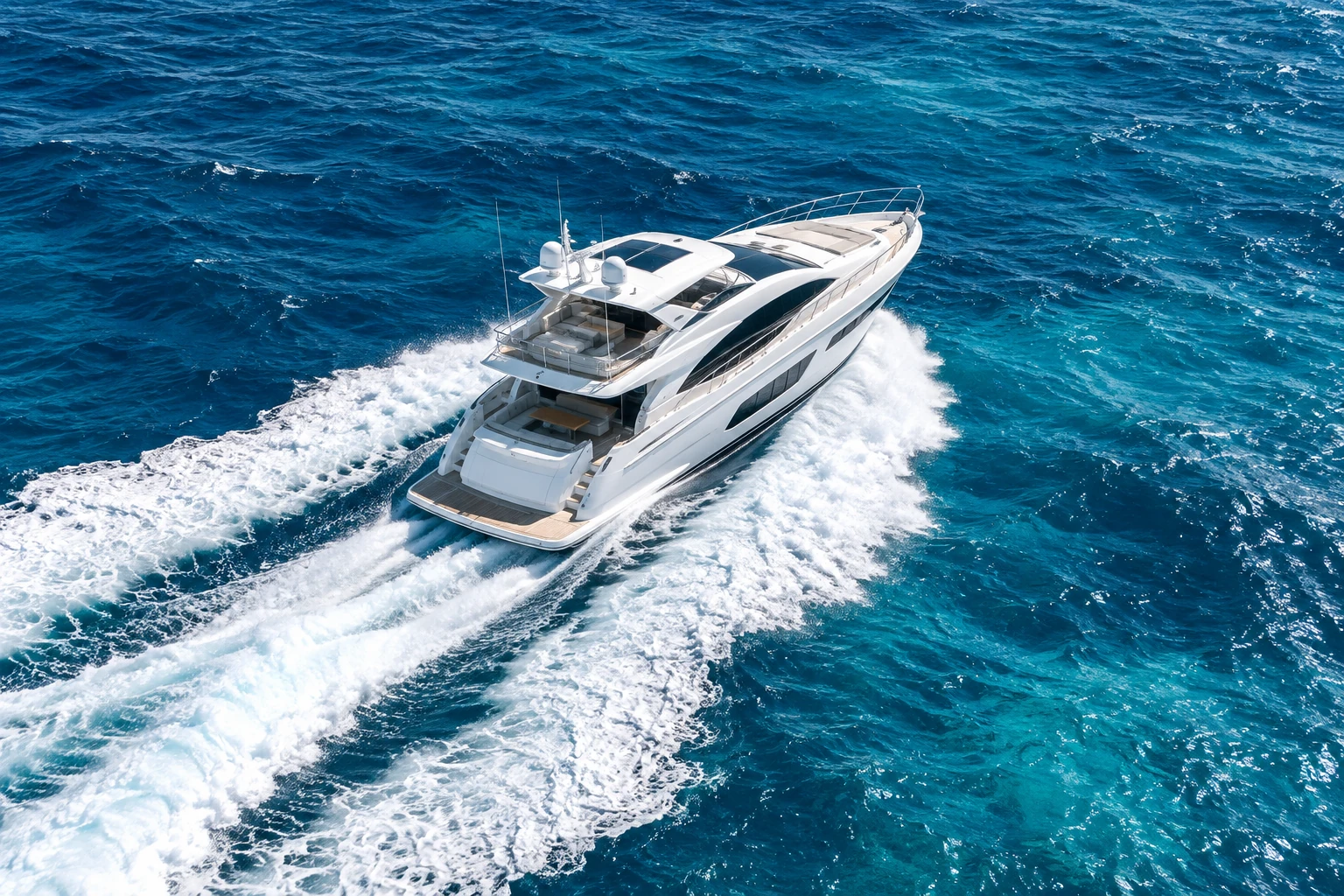
Real project photos from local pros — tap through to their storefront.

Typical job length: 1 day – several weeks depending on scope
ABYC Certified Technician in Fort Lauderdale: what owners should know
Fort Lauderdale's year-round boating season and dense concentration of offshore sportfishers, cruisers, and superyachts means electrical and systems failures don't wait for a convenient moment. An ABYC Certified Technician is a marine professional who has passed American Boat and Yacht Council standards exams — covering DC and AC electrical systems, fuel systems, corrosion, and bonding — and is qualified to inspect, troubleshoot, and bring those systems into code compliance. In a city where boats log heavy hours in saltwater heat and humidity, corrosion-accelerated failures are common, and lenders, insurers, and surveyors increasingly require ABYC-compliant work before financing or covering a vessel. Whether you're prepping for a survey, addressing a failed inspection item, or upgrading aging wiring, a certified technician provides documentation that stands up to scrutiny. Request a free estimate through Boatwork to connect with one of Fort Lauderdale's 50 verified pros today.
Why ABYC Certified Technician Work Differs from General Yacht Engineering
Not every marine technician holds ABYC certification, and the distinction matters more than it might first appear. General yacht engineering covers a broad range of mechanical and systems work — engines, hydraulics, rigging — but ABYC certification is a credential specific to electrical, fuel, and safety systems standards. A certified technician has demonstrated knowledge of ABYC's published standards (E-11 for AC/DC electrical, A-28 for carbon monoxide, and others) and is expected to work to those exact specifications, not just functional ones.
What the Job Actually Involves in Fort Lauderdale
In practice, engaging an ABYC Certified Technician in Fort Lauderdale often means one of three things: a systems compliance inspection prior to a marine survey or insurance renewal, remediation work to bring existing wiring or fuel systems up to current ABYC standards, or a complete refit of aging electrical infrastructure on a vessel that has accumulated years of non-standard modifications. Fort Lauderdale's climate — high humidity, salt air, and sustained heat — accelerates insulation degradation, connector corrosion, and bonding failures faster than in cooler, drier markets. Technicians here frequently encounter layered wiring from multiple previous owners, which increases both diagnostic time and remediation scope.
What Drives Cost Up or Down
The primary cost drivers for this work are boat size and panel complexity, the condition of existing wiring and components, how many systems are in scope, and physical access. A small center console with a straightforward DC system is a fundamentally different job than a 60-foot flybridge with shore power, an inverter/charger, a generator, and a NMEA 2000 network. Documentation requirements — written inspection reports, compliance checklists, and labeling — also add time that is not present in non-certified work. Costs come down when a vessel's systems are already well-organized, accessible, and recently updated.
How Long It Takes
A compliance inspection on a mid-size vessel typically runs a few hours; a full electrical refit on a larger yacht can span several days or more. Timeline is heavily influenced by parts availability, which can vary in Fort Lauderdale depending on the season and current supply chain conditions for marine-grade components.
What to Ask a Pro Before Hiring
- Which specific ABYC standards modules are you certified in, and are your credentials current? - Will you provide a written compliance report or discrepancy list after the inspection? - Do you carry errors and omissions insurance for certified work? - What is your experience with vessels of this type and size in this market?
Asking for certification documentation upfront protects the boat owner and ensures the work will satisfy a surveyor or underwriter.
Frequently asked questions
What determines the cost of hiring an ABYC Certified Technician in Fort Lauderdale?
Cost is driven primarily by the size and complexity of the vessel's electrical and systems infrastructure, the scope of work requested (inspection only versus full remediation), and the condition of existing wiring and components. Fort Lauderdale's saltwater environment often means technicians encounter corrosion damage that extends the scope of a job beyond what was initially visible. Requesting a free estimate on Boatwork gives you a clear picture of what your specific boat and situation will require.
Is ABYC certification required to do electrical work on a boat in Fort Lauderdale?
There is no Florida law mandating ABYC certification for all marine electrical work, but marine surveyors, insurers, and lenders frequently require that work be performed or verified to ABYC standards before issuing coverage or financing. In Fort Lauderdale's active charter and brokerage market, non-compliant systems can complicate a sale or survey. Hiring a certified technician creates a documented compliance trail that satisfies those third-party requirements.
How long does an ABYC compliance inspection typically take?
For a mid-size cruiser or sportfisher, an inspection focused on electrical and fuel systems generally takes several hours, though larger or more complex yachts with multiple power sources and networks will take longer. If remediation work is identified and authorized, that adds additional time depending on parts and access. A technician should be able to give a time estimate once they know the vessel's size, configuration, and the systems in scope.
What should be included in the deliverable from an ABYC Certified Technician?
At minimum, expect a written inspection report identifying any items that do not meet current ABYC standards, along with clear labeling and documentation of any work performed. For remediation projects, the technician should specify which ABYC standards were applied and how each discrepancy was resolved. If you are unsure what to expect from a specific pro, Boatwork makes it easy to request a free estimate and ask those questions before committing.
Explore
ABYC Certified Technician in other cities
Need abyc certified technician in Fort Lauderdale?
Get matched with a vetted local pro — no cost to request.
Request an Estimate →

