Flexiteek or PlasDeck Installation in Fort Lauderdale, FL
Found 10 verified flexiteek or plasdeck installation professionals in Fort Lauderdale
Top flexiteek or plasdeck installation pros in Fort Lauderdale
Ordered by rating and review volume.



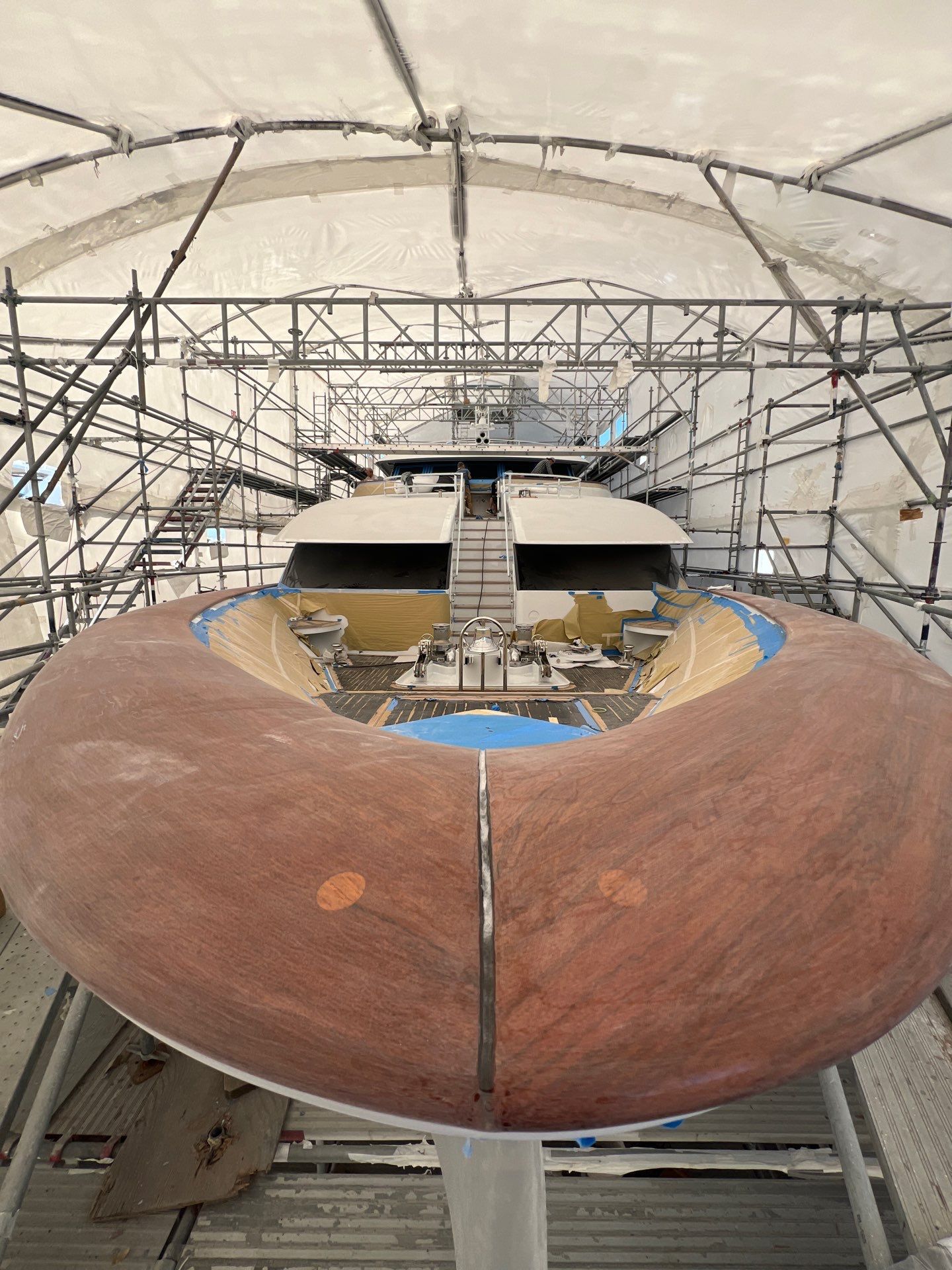
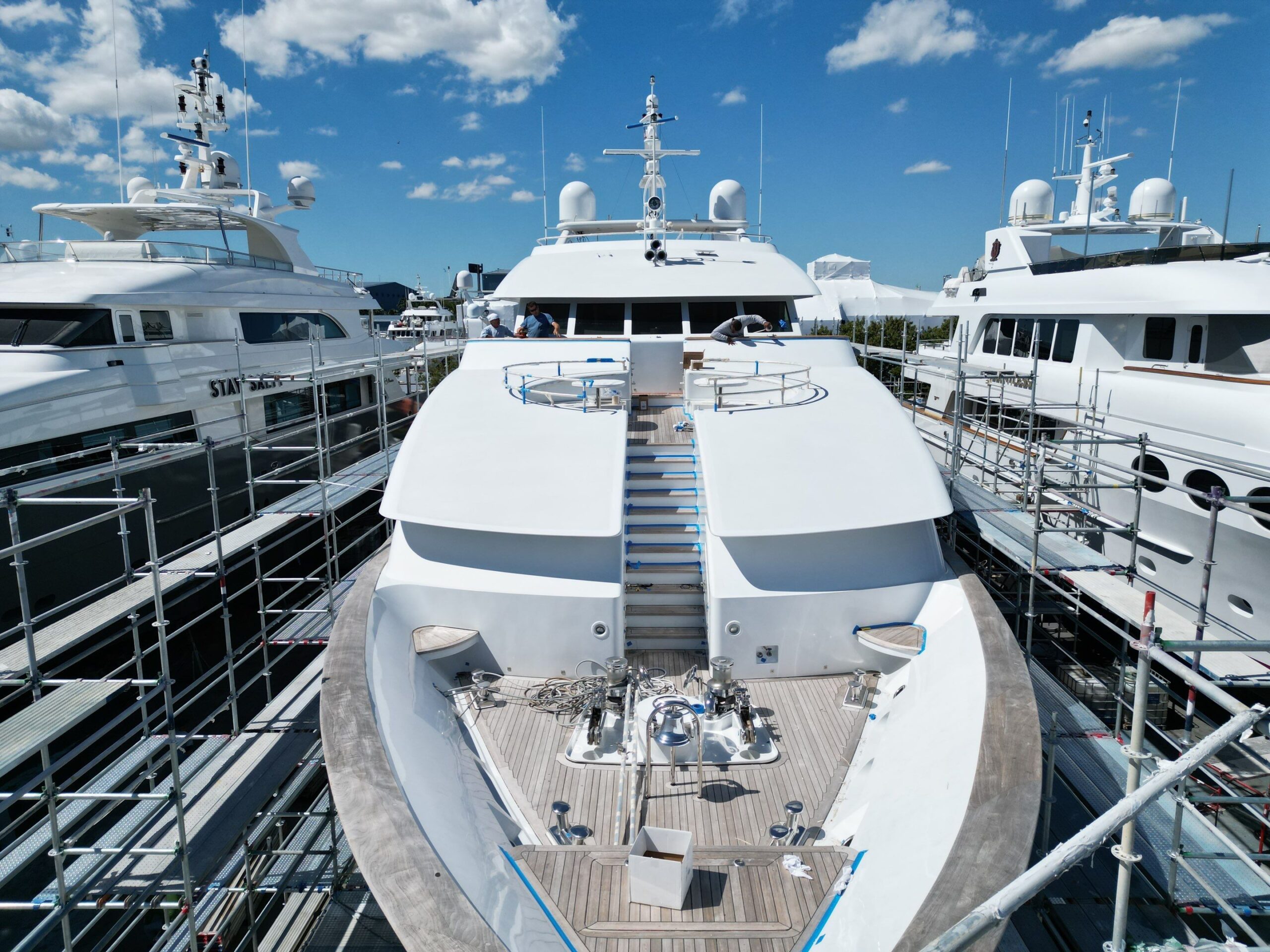
Recent flexiteek or plasdeck installation work in Fort Lauderdale
Real project photos from local pros — tap through to their storefront.


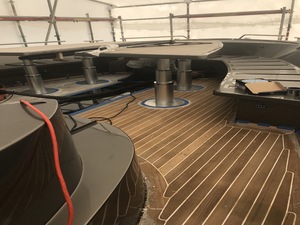
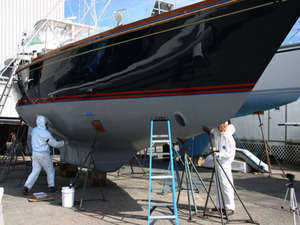

Typical job length: 1 day – 3 weeks
Flexiteek or PlasDeck Installation in Fort Lauderdale: what owners should know
Flexiteek and PlasDeck installation replaces worn, cracked, or delaminating teak decking with high-performance synthetic alternatives engineered to withstand the punishing combination of intense UV exposure, salt spray, and near-constant heat that Fort Lauderdale's subtropical climate delivers year-round. Unlike traditional teak, these PVC-based systems are custom-cut to each vessel's cockpit, swim platform, helm station, or foredeck and bonded directly to the substrate — no caulking joints to open, no oils to apply, no planks to replace seasonally. Fort Lauderdale boat owners operating on the Intracoastal, heading offshore through Port Everglades, or keeping vessels in charter rotation particularly benefit from a surface that holds up under heavy foot traffic without the maintenance overhead real wood demands. Whether upgrading a center console, express cruiser, or sportfish, a professional installation starts with a precise template and ends with a factory-quality finish. Request a free estimate to get started.
Why Flexiteek or PlasDeck Installation Is Its Own Discipline
Flexiteek and PlasDeck jobs are frequently grouped under the broad umbrella of boat deck repair, but the skill set and process are meaningfully different. General deck repair might involve fiberglass patching, core replacement, or gelcoat work. Synthetic teak installation is a precision fabrication and bonding trade: panels are templated from the actual boat, CNC-cut to match seam patterns, caulk lines, and hardware cutouts, then adhered with specialized marine-grade adhesives. A misaligned template or improper surface prep means panels that lift, bubble, or look wrong — problems that are costly to reverse.
What Drives the Cost of a Fort Lauderdale Installation
Several factors move the price up or down in this market:
- Surface area and complexity. A swim platform with a simple rectangular footprint is straightforward. A full cockpit with hatches, cleats, rod holders, and irregular curves requires significantly more templating time and material waste. - Substrate condition. Fort Lauderdale boats that have sat in the water or on lifts in high humidity can develop soft spots or delaminated cores beneath the existing deck surface. If substrate repair is needed before bonding, that adds scope and time. - Material choice. Flexiteek and PlasDeck are both premium products but differ in texture, color palette, and feel underfoot. Color matching to existing hardware or upholstery can influence which product fits best. - Access and rigging. A vessel that requires partial disassembly of hardware, railings, or electronics to reach the work surface adds labor hours. - Single zone vs. full-boat. Many Fort Lauderdale owners start with a swim platform or cockpit sole and expand later; others do the full deck in one mobilization to reduce haul-out or slip fees.
How Long Installation Takes
A single-zone job — swim platform or helm pad — can often be completed in one to two days once the template is made and the panel is cut. A full cockpit with multiple hatches and hardware removals typically runs three to five days. Full-boat projects on larger sportfish or motoryachts can extend beyond a week. In Fort Lauderdale, scheduling around South Florida's afternoon thunderstorm season matters because adhesive cure times are sensitive to temperature and humidity spikes.
What to Ask a Pro Before Booking
- Do you template directly off the boat, or do you work from measurements alone? - What adhesive system do you use, and what is the manufacturer-recommended cure time before the deck sees foot traffic? - Is hardware removal and reinstallation included, or billed separately? - Can you show examples of completed Flexiteek or PlasDeck work on a similar vessel type? - What is the warranty on both the material and the installation labor?
Pros who specialize in this work will answer these questions without hesitation. Boatwork connects Fort Lauderdale boat owners with vetted contractors who focus specifically on synthetic teak systems.
Frequently asked questions
What makes Flexiteek and PlasDeck installation more expensive than standard deck repair in Fort Lauderdale?
The cost reflects precision fabrication rather than just labor — each panel is custom-templated and CNC-cut to the exact geometry of your vessel, which takes time and material. In Fort Lauderdale, if the underlying substrate has moisture damage from years of humidity exposure, additional core or fiberglass repair may be required before the synthetic teak can be properly bonded, adding scope. Complexity of the deck layout, number of hardware penetrations, and total square footage are the primary cost drivers.
How long does a typical Flexiteek or PlasDeck installation take on a Fort Lauderdale boat?
Smaller, single-zone installations like a swim platform or helm pad can be completed in one to two days once the panel is fabricated. Larger cockpit or full-deck projects on sportfish and cruisers common in the Fort Lauderdale market generally run three to five days or more, depending on hardware removal, substrate prep, and adhesive cure requirements. South Florida's afternoon humidity can extend cure windows, so experienced local pros typically build that into their scheduling.
Is Flexiteek or PlasDeck a good choice for boats used heavily in Fort Lauderdale's climate?
Both systems are engineered specifically for high-UV, high-humidity marine environments, making them well-suited to year-round South Florida boating. They resist the warping, cracking, and caulk-joint separation that real teak develops under intense subtropical sun and saltwater exposure. Boats in charter service or that spend extended time dockside or on moorings particularly benefit from the reduced maintenance overhead these materials offer.
How do I get an accurate estimate for Flexiteek or PlasDeck installation on my Fort Lauderdale boat?
Because cost depends on deck area, layout complexity, substrate condition, and material selection, an on-site or detailed photo assessment is the only reliable way to quote this job accurately. Boatwork connects you with Fort Lauderdale pros who specialize in synthetic teak installation — request a free estimate through Boatwork to have a verified local contractor evaluate your specific vessel and scope.
Explore
Need flexiteek or plasdeck installation in Fort Lauderdale?
Get matched with a vetted local pro — no cost to request.
Request an Estimate →

