ABYC Certified Technician in Jacksonville, FL
Found 7 verified abyc certified technician professionals in Jacksonville
Top abyc certified technician pros in Jacksonville
Ordered by rating and review volume.




Recent abyc certified technician work in Jacksonville
Real project photos from local pros — tap through to their storefront.
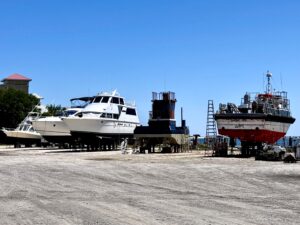
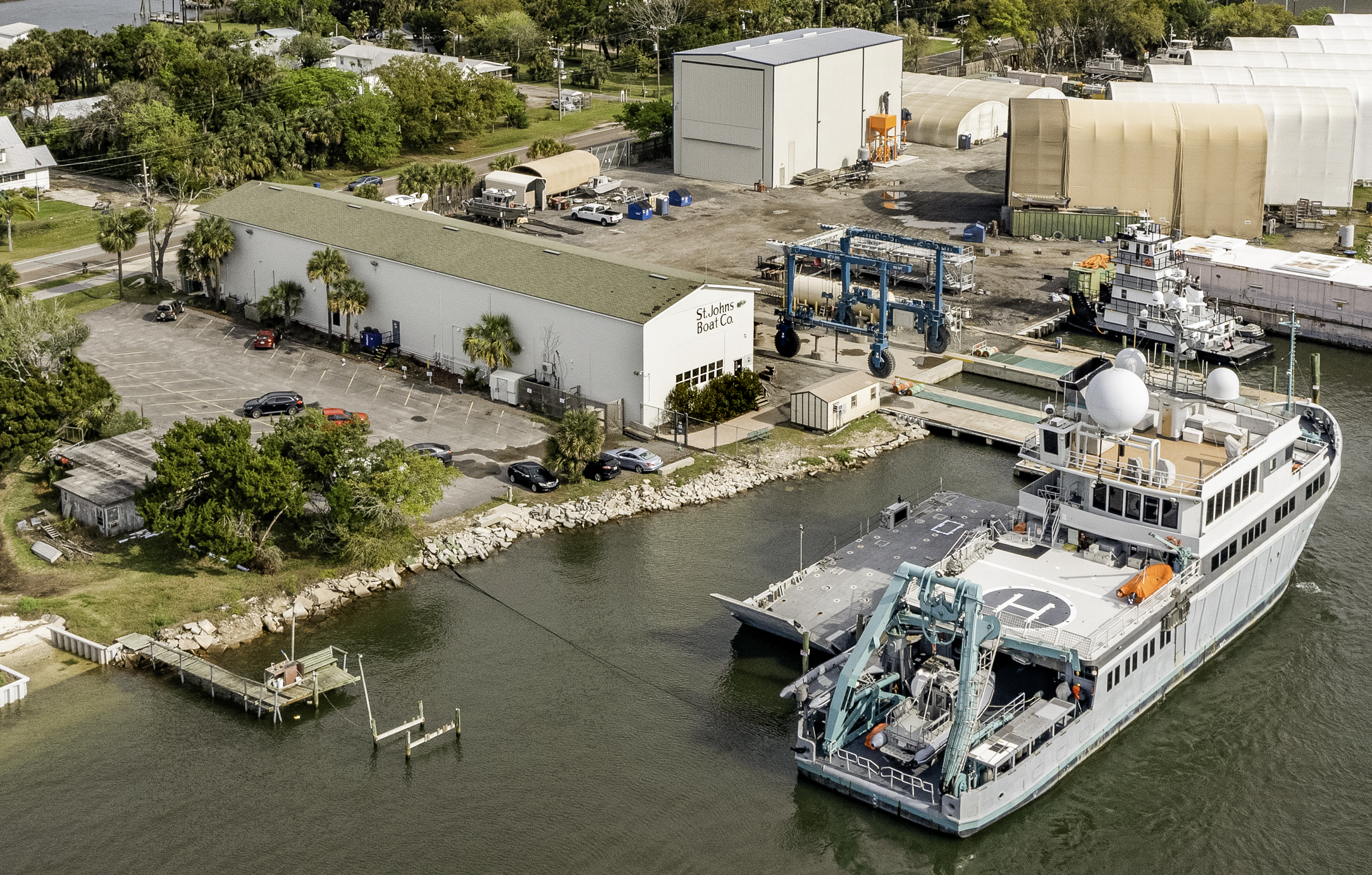
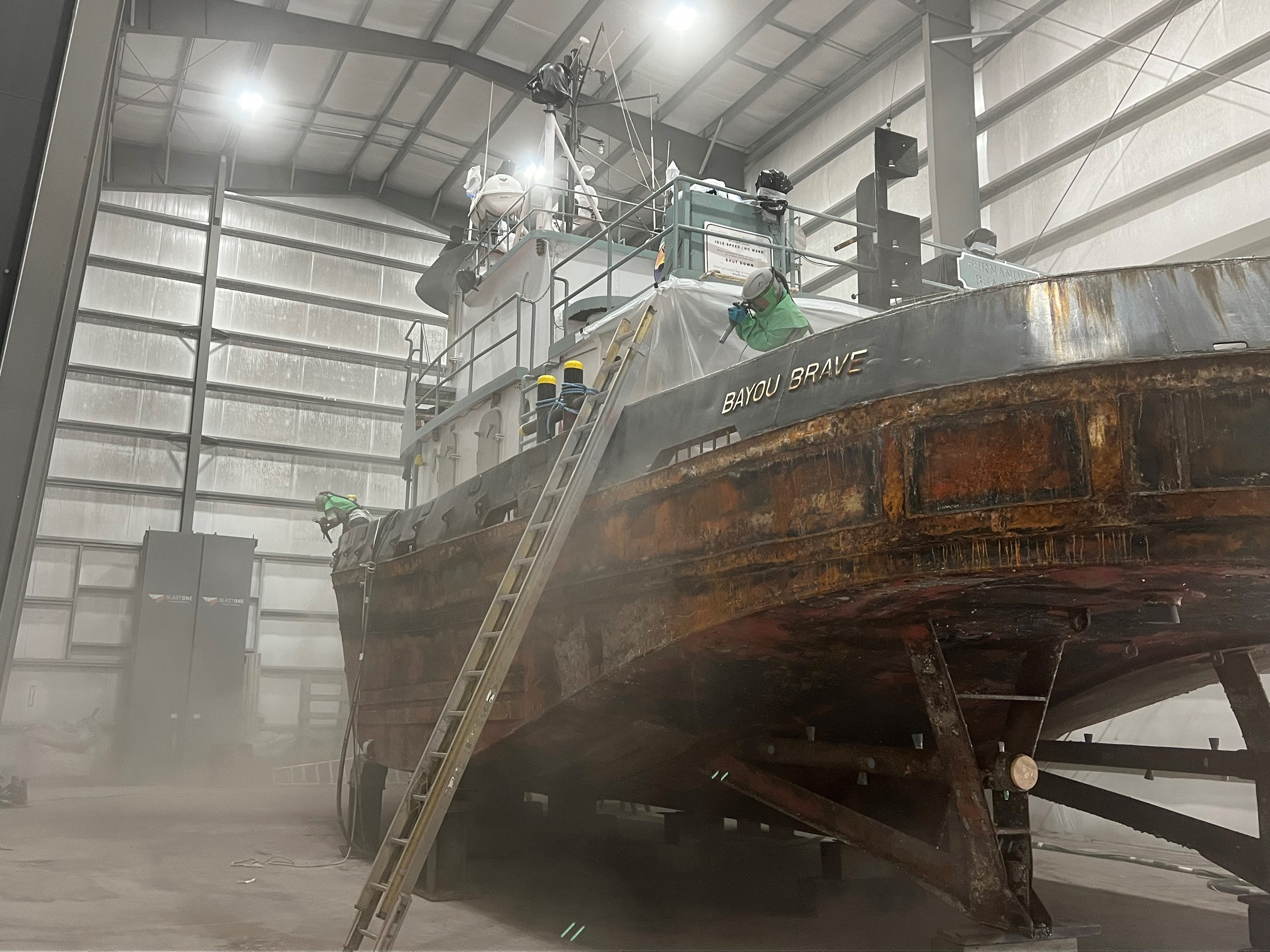
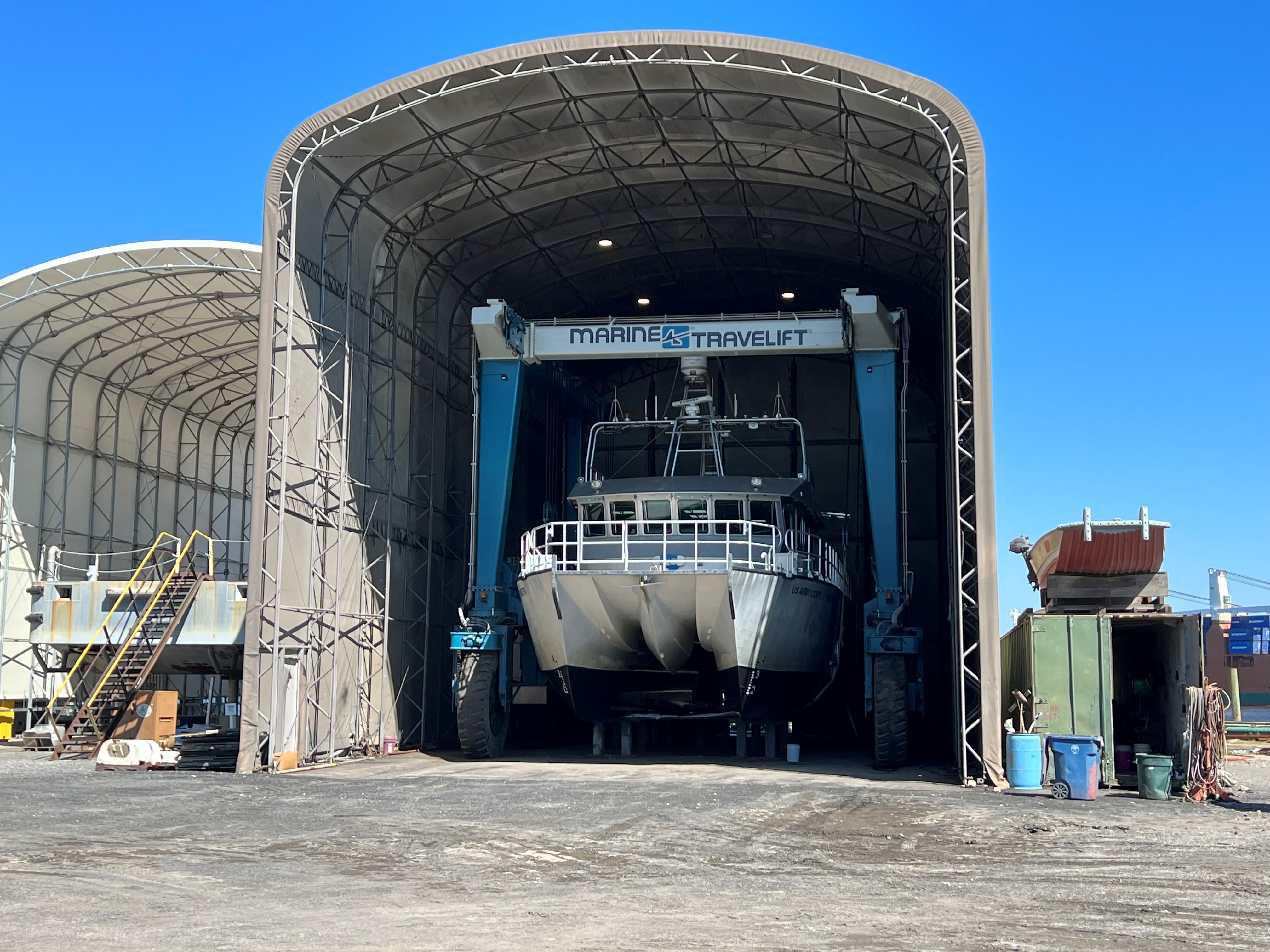
Typical job length: 1 day – several weeks depending on scope
ABYC Certified Technician in Jacksonville: what owners should know
An ABYC Certified Technician in Jacksonville is a marine tech who has earned certification from the American Boat and Yacht Council and works to its published standards on boat electrical systems, corrosion control, fuel and propulsion installs, and similar onboard systems. Owners usually look for one when adding or rewiring equipment, chasing electrical faults, fixing a failed survey item, or getting a boat ready for insurance review. Jacksonville boats face a tough mix: warm, humid weather most of the year, tidal and brackish water on the St. Johns River, and salt exposure on boats that run out to the Atlantic. All of that stresses wiring, connections, bonding, and metal components. Boatwork lists 7 active, verified Yacht Engineering & Systems pros in Jacksonville who handle this work, with an average rating of 4.6 out of 5. Describe the boat and the problem, and request a free estimate to compare options.
Why ABYC Certified Technician differs
General yacht engineering covers a wide range of mechanical and systems work. Hiring an ABYC certified technician is a narrower choice: the person doing the work is credentialed in the American Boat and Yacht Council's standards, which guide how marine systems should be designed, installed, and documented. The credential matters most on work where a shortcut can create a fire, shock, fuel, or corrosion hazard.
What the job typically covers
- Troubleshooting and repairing DC and AC electrical faults - Rewiring or adding circuits, panels, chargers, inverters, and shore power components - Checking bonding and grounding and diagnosing galvanic or stray-current corrosion - Correcting issues flagged in a survey or insurance inspection - Reviewing past DIY or non-standard installs and bringing them up to standard
A basic repair is not the same as a standards-based correction. The second involves more inspection, better materials, and more documentation.
What drives the price up or down
- Boat size and system complexity: Longer wiring runs and more equipment mean more labor. - Condition of existing work: Previous patchwork, undersized wire, or corroded terminals often expand the scope once panels and hidden runs are opened. - Scope: A single diagnosis costs differently than a partial or full rewire. - Materials: Marine-grade tinned wire, proper circuit protection, and quality connectors affect the total. - Access: Tight engine rooms, buried harnesses, and boats on the water rather than on a stand all change labor time.
How long it takes
Diagnosis can be quick when a fault is isolated. Installs and corrections take longer because of parts availability, testing, and sometimes a re-inspection. Most complex jobs are best scheduled with a pro before the boat is needed, not the week before a trip.
Jacksonville factors
Heat, humidity, and moisture are constant concerns here, and tidal, brackish St. Johns River water can speed up corrosion on submerged metals and connections. Boats kept in the water year-round tend to show electrical wear differently than boats stored dry. Hurricane season, June through November, also leads many owners to review shore power connections, bilge pump circuits, and battery systems beforehand.
What to ask a pro
1. Which ABYC certifications do they hold, and can they show proof? 2. Will the work follow ABYC standards, and how will it be documented? 3. What materials will they use, and will they photograph the work? 4. How are surprises found behind panels handled in the estimate? 5. Is the work for a survey or insurance requirement, and what does that need?
Frequently asked questions
What does an ABYC certified technician do that a general marine mechanic might not?
An ABYC certified technician has been credentialed in the council's standards, especially for electrical and corrosion work, and applies them to wiring, protection, bonding, and installations. A general mechanic may be skilled too, but certification gives owners a clearer benchmark, particularly for survey or insurance-related work.
What affects the cost of ABYC technician work in Jacksonville?
Cost depends mainly on boat size, the condition of existing wiring, the scope of the work, materials, and how accessible the systems are. Boats with older repairs or corrosion often need more work than the first symptom suggests, so a clear scope up front helps.
How long does an ABYC electrical or systems job take?
Isolated fault-finding can be fast, while rewiring, new installs, and corrections take longer because of parts, testing, and any inspection afterward. A pro can give a realistic timeline once the boat and problem are described.
How can I compare ABYC certified technicians near me?
Boatwork lists 7 active, verified Yacht Engineering & Systems pros in Jacksonville with an average rating of 4.6 out of 5. Submit the details of the job and request a free estimate to compare scope, availability, and approach.
Explore
ABYC Certified Technician in other cities
Need abyc certified technician in Jacksonville?
Get matched with a vetted local pro — no cost to request.
Request an Estimate →

